

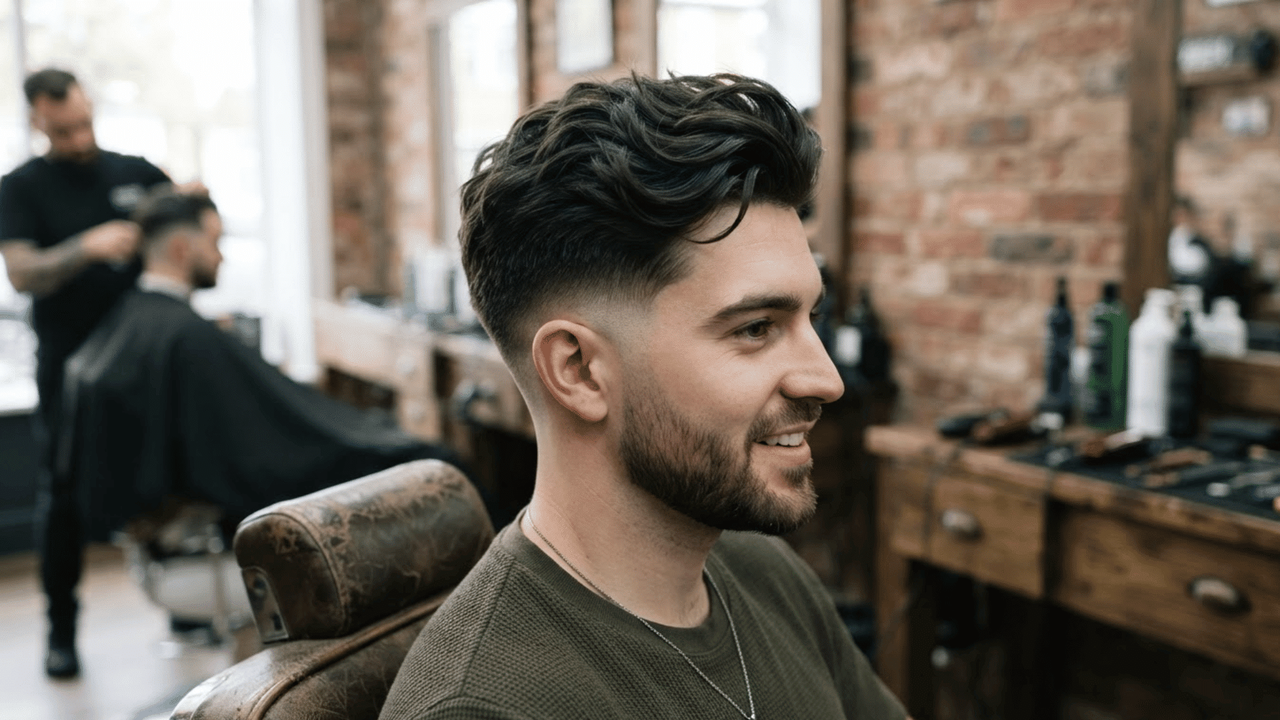
Men’s hairstyles continue to evolve as traditional cuts meet modern styling techniques. Some haircuts become popular because they offer a completely different appearance, while others stand out because they balance classic influences with contemporary details. The low taper mullet is an excellent example of this combination. It brings together the recognizable shape of a traditional mullet and the subtle finishing of a low taper, creating a hairstyle that looks fashionable without appearing excessively dramatic.
One reason this haircut attracts attention is its versatility. The sides are gradually shortened around the temples and neckline, while the hair at the back remains longer to create the signature mullet silhouette. The top can be styled with texture, volume, curls, waves, or a more controlled finish depending on personal preference. Whether someone prefers a relaxed everyday appearance or a sharper look for social occasions, this haircut offers several possibilities.
Another advantage is that the style can be adjusted according to hair type, face shape, and individual fashion preferences. Rather than following one fixed design, people can experiment with different lengths, textures, and tapering techniques to achieve a distinctive appearance.
What Is a Low Taper Mullet?
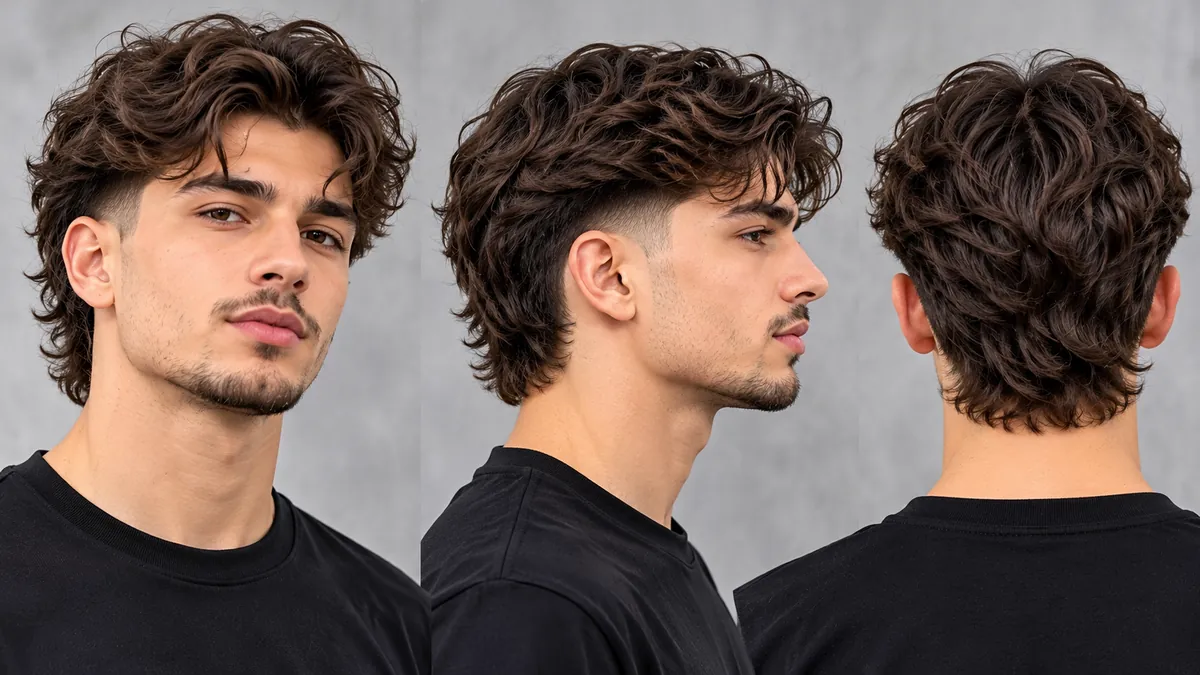
A low taper mullet is a modern haircut that combines a traditional mullet structure with a low taper fade around the lower sides and neckline. Unlike high fades that remove a significant amount of hair around the temples, a low taper keeps the transition closer to the ears and natural hairline. This creates a softer appearance while maintaining enough length on the sides to complement the longer back.
The defining characteristic is the difference between the shorter sides and the extended back section. The top usually has enough length to create movement and connect the overall shape. Depending on the barber’s technique, the transition can appear subtle and natural or more noticeable and textured. This flexibility makes the haircut suitable for people who want something different without committing to an extremely bold hairstyle.
How Is It Different From a Traditional Mullet?
Traditional mullets generally feature shorter hair at the front and sides with considerably longer hair at the back. Although this recognizable structure remains popular, modern versions often introduce cleaner transitions and more balanced proportions. A low taper creates a refined finish around the ears and neckline, making the overall haircut appear more controlled.
Another difference is the attention given to blending. Older mullet styles sometimes feature a more obvious separation between the sides and back. Modern barbering techniques allow the shorter sections to transition more smoothly into the longer hair. This creates a contemporary appearance that works with different clothing styles and personal aesthetics.
Why Is This Hairstyle Becoming Popular?
Modern hairstyles increasingly focus on individuality, texture, and easy customization. People are looking for haircuts that express personality while remaining practical enough for everyday activities. The combination of a subtle taper and longer back provides exactly that balance. It looks clean around the ears while preserving the distinctive shape that makes a mullet recognizable.
Social media, celebrity-inspired grooming, and professional barbering have also contributed to the popularity of modern mullet variations. Photographs and short hairstyle videos allow people to explore different combinations before visiting a barber. Textured tops, curly backs, disconnected layers, and natural finishes have introduced more variety into the style. Instead of choosing a standard haircut, individuals can request a design that reflects their own preferences.
The hairstyle also works across different fashion aesthetics. Someone who prefers streetwear can pair it with oversized clothing and casual sneakers, while another person can combine it with fitted shirts and more polished outfits. Its adaptability makes it appealing to people with different lifestyles.
Popular Low Taper Mullet Styles to Consider
There are several ways to personalize this haircut. The right variation depends on natural hair texture, preferred length, and the amount of contrast someone wants between the sides and back.
1. Classic Low Taper Mullet
This variation works particularly well with straight and slightly wavy hair. A small amount of styling cream can provide separation and movement without making the hair appear stiff. Keeping the back at a moderate length also makes the haircut easier to maintain.
2. Curly Low Taper Mullet
People with tighter curls can benefit from moisturizing products that reduce dryness and improve definition. A lightweight curl cream can help maintain the natural shape while preventing excessive frizz. The barber should also consider how the curls shrink when dry because this can affect the final length.
3. Textured Low Taper Mullet
A matte clay or texture powder can help create separation between individual sections. The result looks natural and works well with casual clothing, especially when the hair is allowed to maintain some of its original movement.
4. Wavy Low Taper Mullet
The length at the back can be adjusted according to preference. Shorter layers create a subtle effect, whereas longer sections produce a more noticeable silhouette. A lightweight styling mousse can help enhance the natural waves.
5. Low Taper Mullet With Fringe
A textured fringe is particularly useful for people who want more movement around the forehead. The barber can adjust its thickness and length to complement the facial structure.
Choosing the Right Variation for Your Face Shape
Face shape plays an important role in determining how a haircut looks. Although personal preference should always come first, selecting suitable proportions can help create a more balanced appearance.
People with oval faces generally have considerable flexibility because most haircut proportions complement their facial structure. They can experiment with shorter sides, longer backs, textured tops, and different fringe styles. Those with round faces may prefer additional height at the top because vertical volume can create a more elongated appearance.
For square faces, softer layers and natural movement can help balance stronger jawlines. People with longer faces may benefit from keeping more volume around the sides rather than creating excessive height on top. Heart-shaped faces can work well with textured fringes and moderate back lengths that distribute visual weight more evenly.
The most important consideration is the relationship between the top, sides, and back. A skilled barber can adjust these proportions instead of following a standard haircut template.
Which Hair Types Work Best?
One of the strongest advantages of this haircut is that it can be adapted to different hair textures. However, each hair type requires a slightly different approach to cutting and styling.
| Hair type | Recommended approach | Styling suggestion |
|---|---|---|
| Straight | Layered top and controlled back length | Matte clay |
| Wavy | Natural layers with moderate tapering | Styling mousse |
| Curly | Defined curls with balanced sides | Curl cream |
| Thick | Weight reduction and textured layers | Lightweight styling cream |
| Fine | Moderate length with added texture | Texture powder |
Straight Hair
Straight hair creates a clean and defined silhouette. Because it does not naturally produce as much volume as curly or wavy hair, strategic layering can prevent the back from appearing too heavy. A little styling product can introduce texture and make the overall haircut look fuller.
Curly and Wavy Hair
Curly and wavy textures naturally provide dimension. The barber should account for shrinkage, density, and natural growth patterns before deciding how much length to remove. Maintaining healthy hair is also important because dry curls can lose definition and become difficult to manage.
Thick and Fine Hair
Thick hair can sometimes create excessive bulk around the back and sides. Layering and weight removal help maintain a balanced shape. Fine hair benefits from moderate lengths and carefully placed texture, as excessive thinning can make it appear even less dense.
How to Ask Your Barber for This Haircut
Communication is essential when requesting a specific hairstyle. The term mullet can mean different things to different barbers, so describing the taper placement, top length, and back length helps avoid misunderstandings.
When requesting a low taper mullet, explain that you want the taper to remain low around the temples and neckline. Mention whether you prefer a natural blend or a sharper outline. You should also describe how long you want the back section to remain and whether the top should have layers, curls, or a textured finish.
Bringing reference photographs is another practical way to communicate your expectations. Choose pictures showing the front, side, and back whenever possible. A single side-profile photograph may not reveal how the haircut looks from other angles.
Before the barber begins, discuss your natural hair growth direction and how much daily styling you are comfortable with. A good barber should consider these details before deciding the final proportions.
Best Products for Everyday Styling
The right products can improve texture, maintain shape, and make daily grooming easier. However, using too many products can weigh down the hair and reduce its natural movement. Choosing products according to hair texture is generally more effective than following complicated styling routines.
Matte clay is useful for creating separation and a natural-looking finish. Styling mousse works well for adding volume to straight or wavy hair without making it feel excessively heavy. Curl cream helps define curls and maintain moisture, while texture powder can provide lift when the top needs additional volume.
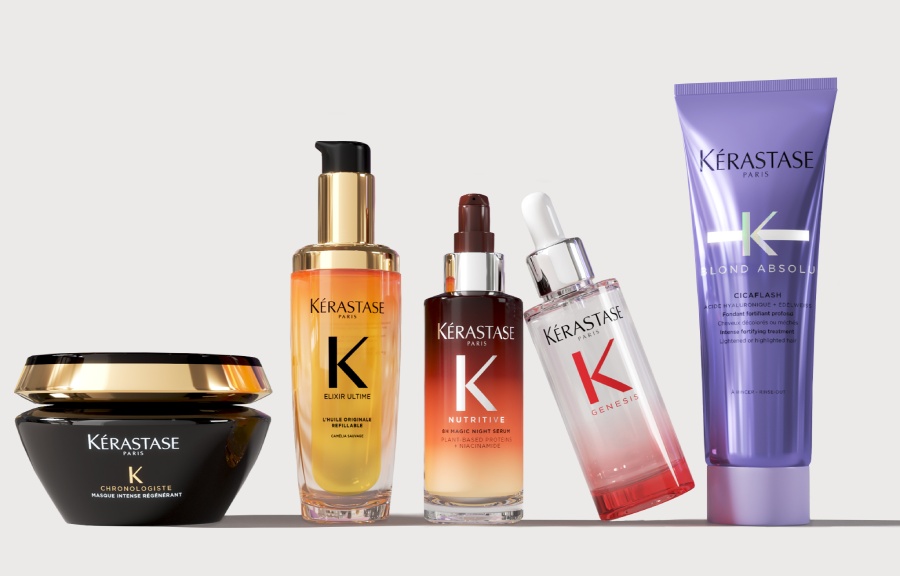
A lightweight leave-in conditioner can also improve manageability, especially for people with dry or longer back sections. The goal should be to maintain healthy movement rather than force the hair into an unnatural shape.
Daily Maintenance and Grooming Tips
Maintaining the haircut requires attention to both the shorter tapered sections and the longer back. The sides may begin losing their clean appearance as the hair grows, while the back can gradually become uneven if it is not shaped periodically.
A practical maintenance routine includes:
-
Wash your hair according to your scalp condition and hair type.
-
Use conditioner to maintain softness and reduce dryness.
-
Apply a suitable styling product in moderate quantities.
-
Trim the taper regularly to preserve its clean outline.
-
Avoid excessive heat styling without protection.
The frequency of barber visits depends on how sharp you want the taper to look. Some people prefer refreshing the sides every two to three weeks, while others are comfortable waiting longer. The back usually requires less frequent trimming because maintaining its length is part of the overall design.
Regular brushing or gentle finger styling can also help distribute natural oils and maintain the haircut’s shape. Avoid aggressive brushing when the hair is wet, particularly if it is curly or prone to breakage.
Common Mistakes to Avoid
Although this hairstyle offers plenty of flexibility, a few mistakes can affect the final result. One common issue is requesting an excessively high taper when the intention is to achieve a low one. This changes the overall silhouette and creates a different appearance.
Another mistake is leaving the back without proper layering. When the hair becomes too heavy, it can look disconnected from the top and sides. A barber should maintain enough structure to create a balanced transition while preserving the longer length.
Choosing a styling product that does not suit the hair type can also create problems. Heavy waxes may make fine hair appear flat, while products with insufficient moisture may leave curly hair looking dry. Understanding your natural texture makes it easier to select the right grooming products.
Finally, copying a photograph without considering individual hair density, growth patterns, and face shape may produce disappointing results. Reference pictures should guide the barber rather than become rigid instructions.
Is This Hairstyle Suitable for Everyday Life?
Yes, this haircut can work well for everyday situations because its appearance can be adjusted through styling. A natural finish with moderate texture looks relaxed enough for casual activities, while a carefully styled top and clean taper can create a more polished appearance for professional or social environments.
People who enjoy experimenting with fashion may appreciate the distinctive back length and textured top. Meanwhile, those who prefer simpler grooming routines can choose a shorter version that requires less attention. The important thing is to select proportions that match daily activities and personal styling habits.
The haircut can also complement different clothing choices. Casual outfits, sportswear, denim, and modern streetwear all work naturally with its relaxed appearance. With a neat outline and controlled styling, it can also look appropriate with smart-casual clothing.
Conclusion
The low taper mullet combines the distinctive shape of a traditional mullet with the clean finishing of modern barbering. Its shorter tapered sides, textured top, and longer back create a balanced appearance that can be customized for different hair types, face shapes, and personal preferences. From curly and wavy variations to textured finishes and modern fringes, there are plenty of ways to make the hairstyle feel individual.
Choosing the right proportions, communicating clearly with your barber, and following a simple grooming routine can make a significant difference in the final result. Instead of copying a particular trend without considering your natural hair, focus on a version that complements your features and lifestyle. With the right cut and maintenance, this hairstyle can remain fashionable, comfortable, and distinctive for everyday wear.