

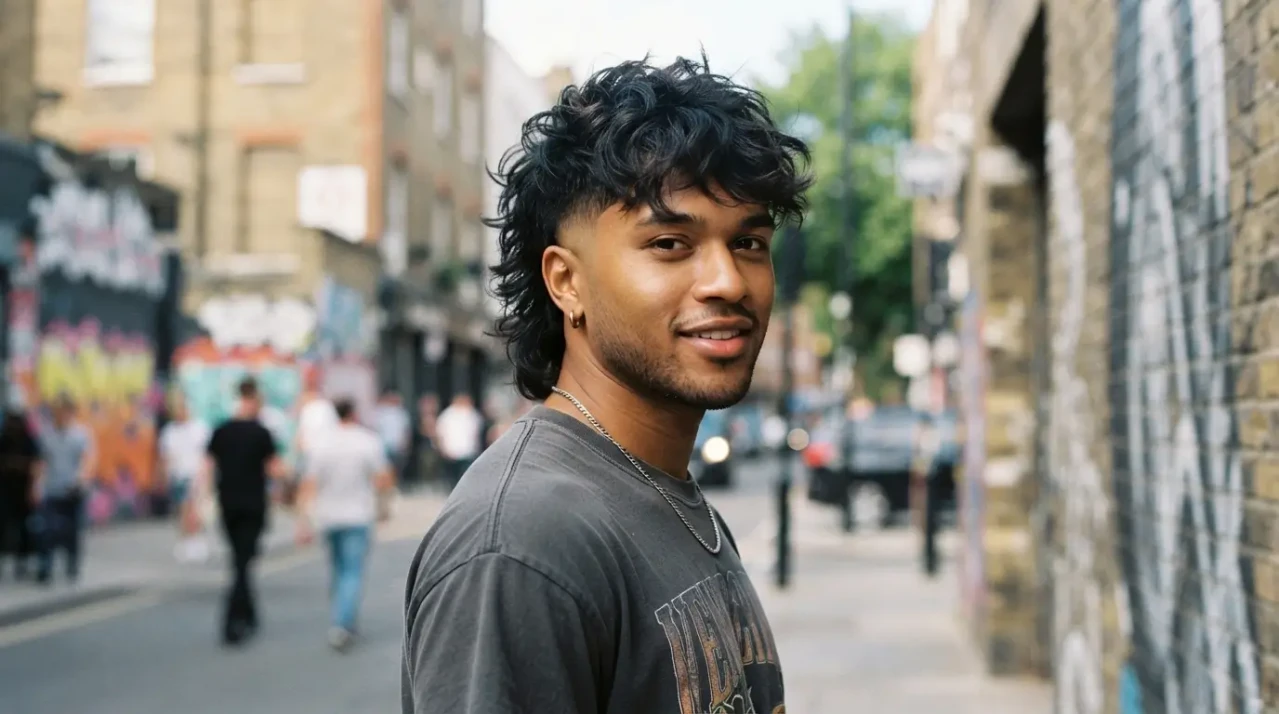
Men’s hairstyles continue to evolve, combining traditional haircuts with contemporary styling techniques to create fresh and distinctive appearances. One haircut that has gained considerable attention is the mullet. Once associated with bold fashion choices and retro trends, this hairstyle has returned with a more polished appearance. Modern versions feature cleaner sides, textured tops, and carefully shaped back sections, making them suitable for different personalities and lifestyles. Among these variations, the modern mullet low fade stands out because it combines the recognizable mullet silhouette with a subtle, professionally blended fade.
The popularity of this haircut comes from its ability to balance individuality and sophistication. Instead of creating an extremely dramatic contrast between the sides and back, a low fade gradually reduces the hair around the lower sides of the head. The longer hair at the back maintains the traditional mullet character, while the top can be styled with texture, volume, curls, or a natural finish. This combination creates a fashionable appearance without making the haircut look unnecessarily complicated.
What Makes the Modern Mullet Low Fade Different?
A modern mullet low fade combines two distinctive haircutting techniques into one versatile hairstyle. The mullet keeps the hair longer at the back while maintaining shorter sections around the sides and front. The low fade introduces a gradual transition near the lower part of the head, usually beginning around the ears and neckline. Together, these elements create a balanced haircut that looks structured from the front and distinctive from the side and back.
Unlike older mullet styles, which often featured noticeable differences between the top, sides, and back, contemporary versions focus on blending and proportion. Barbers carefully connect the different lengths to create a more natural appearance. The top can remain slightly longer to provide styling flexibility, while the back maintains enough length to establish the recognizable mullet shape. This makes the haircut appropriate for people who want something fashionable without choosing an extremely unconventional appearance.
Why Is This Hairstyle Becoming So Popular?
One major reason behind the growing popularity of this haircut is its adaptability. Modern men’s grooming trends increasingly focus on hairstyles that express personality while remaining practical for everyday activities. The mullet offers a distinctive silhouette, while the low fade adds a clean and refined finish. This combination appeals to people who want their hair to look stylish at social gatherings, professional environments, and casual events.
Social media, celebrity-inspired fashion, and barber creativity have also contributed to the renewed interest in mullet hairstyles. People regularly discover different variations through hairstyle photographs and short-form videos. The modern version is especially attractive because it does not require everyone to follow exactly the same design. Some prefer a subtle back section with a textured top, while others choose longer layers and more noticeable volume. This flexibility allows individuals to customize the haircut according to their preferences.
Popular Variations of the Modern Mullet Low Fade
1. Textured Top Mullet
The textured top variation is ideal for individuals who enjoy a relaxed and slightly messy hairstyle. It features additional texture through the upper sections, creating movement and natural volume. Barbers may use scissors or texturizing techniques to remove excess weight and prevent the hair from appearing flat. The sides remain neatly faded, while the back provides the traditional mullet-inspired length.
This variation works particularly well for straight and slightly wavy hair. A lightweight styling product can help separate individual strands without making them appear stiff. The result is a hairstyle that looks fashionable but does not require extensive preparation every morning.
2. Curly Mullet with Low Fade
Curly hair can add natural personality and dimension to a mullet. Instead of trying to straighten or flatten the curls, this variation allows the natural texture to become the main feature. The low fade creates a cleaner appearance around the ears and lower sides, while the curls provide volume across the top and back.
People with naturally curly hair should discuss curl shrinkage with their barber before choosing the desired length. Curly hair can appear significantly shorter when dry compared with its length when wet. Maintaining enough length at the back is important because it helps preserve the mullet shape. A curl cream or moisturizing styling product can improve definition and reduce unwanted frizz.
3. Wavy Modern Mullet
A wavy mullet provides a natural balance between structured styling and relaxed movement. The waves create dimension across the top and back, making the haircut appear fuller without requiring excessive styling products. A subtle fade around the lower sides keeps the overall appearance clean.
This variation is particularly suitable for people who prefer hairstyles that look attractive without appearing overly styled. A small amount of lightweight cream can help define the waves while maintaining their natural movement. Regular trimming also prevents the back section from becoming uneven or losing its original shape.
4. Short Modern Mullet
A shorter version is an excellent starting point for anyone who likes the mullet concept but does not want to maintain long hair. The back remains slightly extended, while the upper section features a manageable length. The low fade creates a neat transition and prevents the sides from looking bulky.
This style is practical for everyday grooming because it generally requires less styling time than longer alternatives. It can also be adjusted to suit different face shapes by changing the amount of volume around the forehead and crown.
How to Choose the Right Mullet Style for Your Hair Type
Choosing the correct variation requires understanding your natural hair texture, thickness, growth pattern, and styling preferences. A haircut that looks excellent on thick, straight hair may require different proportions when recreated on fine or curly hair. For example, thick hair can support more noticeable layers and volume, while finer hair may benefit from a controlled shape that creates the appearance of fullness.
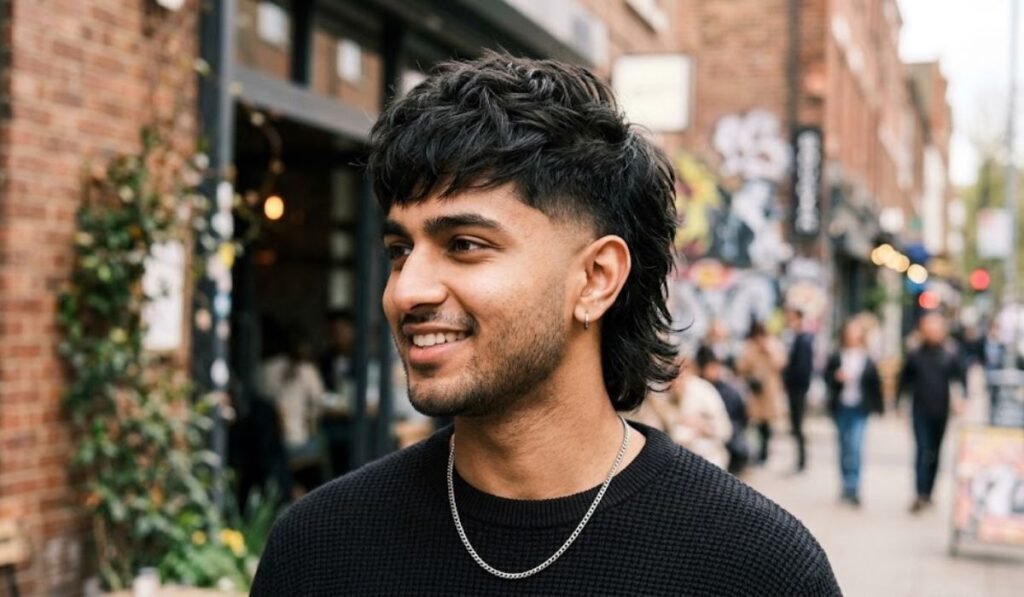
The modern mullet low fade can be customized to accommodate these differences. People with straight hair may prefer additional texture to prevent the top from looking flat. Those with curly hair can maintain more length to allow the natural curl pattern to develop. Wavy hair offers a useful middle ground because it naturally creates movement without requiring complicated styling techniques.
| Hair Type | Recommended Variation | Styling Approach |
|---|---|---|
| Straight | Textured mullet | Lightweight matte paste |
| Curly | Curly mullet | Curl cream |
| Wavy | Layered mullet | Light styling cream |
| Thick | Layered modern mullet | Texturizing product |
| Fine | Short mullet | Lightweight volumizing product |
Face Shapes and the Best Mullet Design
Face shape can influence how a particular haircut looks, especially when the hairstyle includes noticeable volume or longer sections at the back. Although there are no strict rules about which face shapes can wear a mullet, adjusting the proportions can help create a more balanced appearance. A knowledgeable barber can evaluate the forehead, cheekbones, jawline, and overall head shape before deciding where to place the fade and how much length to retain.
Round Face Shape
People with round faces may benefit from additional height and texture across the top. This creates a visually longer appearance and helps balance fuller facial proportions. Keeping the sides relatively controlled can also prevent unnecessary width around the temples.
Oval Face Shape
Oval faces are generally adaptable to many haircut variations. Individuals with this face shape can experiment with shorter tops, longer back sections, curly textures, or more noticeable layers. The most important consideration is selecting proportions that match personal style.
Square Face Shape
A square face typically features a defined jawline and broader facial structure. A textured top and naturally blended fade can complement these features. Keeping the back moderately long can also create an interesting contrast without making the haircut appear excessively heavy.
Long Face Shape
People with longer faces may prefer moderate volume rather than extremely high styling. A fuller top with balanced sides can create a more proportional appearance. Avoiding excessive height is one way to maintain a harmonious overall look.
How to Ask Your Barber for This Haircut
Communication with your barber is essential because the term mullet can describe several different haircut designs. Simply requesting a mullet may result in a style that is shorter, longer, or more dramatic than expected. Explaining the desired fade height, top length, back length, and overall appearance helps the barber understand your expectations.
When discussing the modern mullet low fade, explain that you want the fade to begin low around the ears and neckline rather than extending high toward the temples. Mention whether you prefer a soft transition or a sharper blended appearance. You should also explain how much length you want to maintain at the back and whether the top should look textured, layered, curly, or relatively smooth.
Consider discussing these details during your appointment:
-
The preferred length of the top and back sections.
-
Whether you want a subtle or noticeable mullet shape.
-
How gradually the sides should transition into the fade.
-
Whether you prefer natural texture or a more structured finish.
-
How much daily styling time you are comfortable with.
Bringing a reference photograph can make the consultation easier. It gives your barber a clear visual understanding of the proportions you like and reduces confusion about the final result.
Styling Products That Help Maintain the Look
The right styling products can improve the appearance of a haircut without making it difficult to manage. However, choosing products according to hair texture is more important than purchasing several different styling solutions. Lightweight matte paste works well for creating separation and definition in straight or slightly wavy hair. Curl creams are more suitable for individuals who want to maintain natural curl patterns while controlling frizz.

Sea salt sprays can provide additional texture and movement, especially when the hair looks flat after washing. However, people with naturally dry hair should use them carefully because excessive application may increase dryness. A moisturizing conditioner and occasional leave-in treatment can help maintain softness and manageability.
It is also important to avoid applying too much product. Heavy styling formulas can make the hair appear greasy and reduce its natural movement. Starting with a small amount and gradually adding more when necessary usually produces a better result.
Maintenance Tips for a Fresh Appearance
Even a well-designed haircut can lose its shape when the sides become overgrown or the back develops uneven layers. Regular maintenance helps preserve the proportions and keeps the hairstyle looking intentional. The frequency of barber visits depends on how quickly your hair grows and how precise you want the fade to remain. Many people prefer scheduling a cleanup every few weeks, although longer intervals may work for those who enjoy a more relaxed appearance.
Daily maintenance does not need to involve complicated routines. Washing the hair according to your scalp’s needs, using conditioner when appropriate, and drying it gently can help maintain its natural texture. Excessive heat styling should be avoided because repeated high temperatures may contribute to dryness and breakage. If you use a blow dryer, applying a suitable heat protectant and choosing a moderate temperature can help reduce potential damage.
Another important consideration is maintaining the neckline and overall shape. The back section is a defining feature of a mullet, so trimming it too aggressively can change the entire appearance. It is better to ask your barber for small adjustments rather than removing too much length during a routine cleanup.
Common Mistakes to Avoid When Getting a Mullet
Although this hairstyle offers considerable flexibility, certain mistakes can affect its final appearance. One common issue is choosing a fade that is too high when the intention is to achieve a subtle low fade. A higher fade changes the balance between the sides and the back, producing a different overall silhouette. Another mistake is removing too much hair from the back, which can make the haircut look more like a conventional short hairstyle.
People sometimes choose styling products without considering their hair type. For instance, a heavy wax may weigh down fine hair, while an unsuitable drying product may make curly hair appear rough. Understanding your natural texture helps you select products that support the haircut rather than work against it.
Finally, choosing a hairstyle exclusively because it looks attractive in a photograph can lead to disappointment. Hair density, natural growth direction, face shape, and daily grooming habits all influence the finished result. A personalized consultation is usually more useful than attempting to copy another person’s haircut exactly.
Is the Modern Mullet Suitable for Everyday and Professional Settings?
Contemporary mullet hairstyles have become more adaptable than their traditional counterparts. A carefully blended fade, moderate back length, and controlled top can create an appearance that feels fashionable without being excessively attention-grabbing. This makes the haircut suitable for many casual and everyday environments, particularly when the overall design is kept neat.
Professional suitability depends on workplace expectations and personal grooming standards. Some creative industries and relaxed workplaces encourage individual expression, making distinctive hairstyles easier to accommodate. More conservative environments may have stricter appearance expectations. In those situations, choosing a shorter back, subtle layers, and a clean fade can create a more understated version of the hairstyle.
The modern mullet low fade offers enough customization to suit different styling preferences. Someone who wants a noticeable fashion statement can choose additional length and texture, while another person may prefer a restrained design that blends naturally with their everyday appearance.
Conclusion
Men’s hairstyles are becoming increasingly focused on individuality, flexibility, and practical grooming. The mullet has successfully returned with updated proportions and cleaner finishing techniques, making it more accessible to people who appreciate both traditional and contemporary fashion. Its combination of longer back sections, textured styling, and carefully blended sides creates a distinctive appearance without requiring an overly complicated grooming routine.
The modern mullet low fade is a particularly attractive option for anyone looking to experiment with a hairstyle that offers personality and versatility. Whether you have straight, curly, thick, or wavy hair, the right combination of length and texture can help you achieve a balanced result. By choosing an experienced barber, discussing your preferred proportions, and following a consistent maintenance routine, you can keep the haircut looking fresh and well-defined. Ultimately, the best hairstyle is one that complements your natural features, matches your lifestyle, and makes you feel confident every time you step outside.