

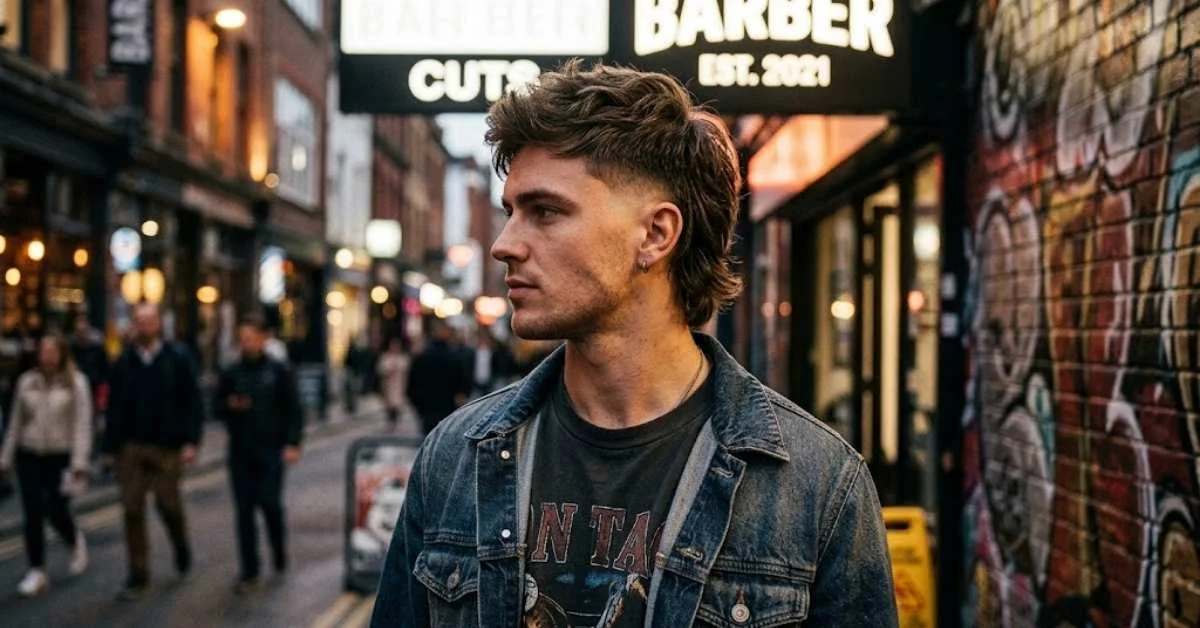
Hairstyle trends continue to evolve, combining classic influences with modern techniques to create fresh and expressive looks. One haircut that has gained considerable attention is the mullet, which has returned with a more refined appearance. Instead of the dramatic shapes associated with older mullet styles, today’s versions focus on texture, balanced proportions, and cleaner transitions. This evolution has made the modern mullet taper an attractive choice for people who want something fashionable without choosing an overly complicated haircut.
The appeal of this hairstyle comes from its combination of contrast and versatility. The sides are gradually shortened around the temples and neckline, while the back maintains additional length. The top can be styled with volume, natural waves, curls, or textured layers depending on personal preference. This combination creates a distinctive silhouette that looks fashionable while remaining suitable for different everyday situations. Whether someone prefers a subtle appearance or a more noticeable hairstyle, the cut offers several opportunities for customization.
What Is a Modern Mullet Taper?
A modern mullet taper combines the traditional mullet shape with the clean finishing technique of a tapered haircut. A conventional mullet generally features shorter hair around the front and sides with longer hair toward the back. The updated version introduces a gradual reduction in length around the sideburns, temples, and neckline, producing a smoother and more controlled appearance.
The defining feature is the relationship between the different hair lengths. Rather than creating an extremely sharp contrast between short sides and a long back, the barber carefully blends the shorter sections while preserving enough length to maintain the recognizable mullet silhouette. The top can remain relatively full, allowing the hairstyle to develop natural movement and dimension.
Another important characteristic is flexibility. Some people prefer a low taper that creates a discreet finish around the ears, while others choose a higher taper for a stronger contrast. Hair texture also influences the final result. Straight hair can produce a sleek, layered appearance, whereas curly and wavy hair naturally create additional volume and movement.
Why Is This Haircut Becoming So Popular?
Modern hairstyles increasingly focus on individuality rather than following one fixed appearance. People want haircuts that complement their facial features, lifestyle, and personal fashion choices. The mullet has benefited from this shift because it offers a recognizable shape while allowing significant customization.
Social media, fashion photography, professional barbers, and celebrity-inspired grooming trends have also contributed to its popularity. Short-form videos frequently showcase transformations that demonstrate how a traditional hairstyle can become more contemporary through layering, fading, and texturizing techniques. The updated mullet fits naturally into this environment because it creates an interesting appearance from multiple angles.
Convenience is another reason people appreciate this style. Although the haircut has a distinctive shape, it does not necessarily require complicated daily styling. Someone with naturally wavy hair may only need a small amount of styling cream to define the texture. People with straight hair can use lightweight products to introduce volume and movement.
Popular Modern Mullet Taper Styles
1. Low Taper Mullet
The low taper mullet is an excellent option for individuals who prefer a balanced and understated haircut. The taper begins near the lower sections of the sides, creating a gradual transition around the ears and neckline. The upper sections retain more length, allowing the hairstyle to preserve its traditional shape without looking excessively dramatic.
This variation works particularly well for people who want to experiment with a mullet while maintaining a relatively neat appearance. It can complement casual clothing, streetwear, and smart-casual outfits. The back can be kept moderately long or allowed to grow into a more noticeable shape depending on personal preference.
2. Mid Taper Mullet
A mid taper creates a more noticeable transition than a low taper while avoiding the dramatic appearance of a high fade. The shorter sections begin around the middle of the sides, giving the haircut additional definition. This approach creates a balanced contrast between the upper hair, tapered sides, and longer back.
It is particularly suitable for people who want their haircut to stand out without appearing too extreme. The top can be styled forward, upward, or slightly backward to create different looks. Adding textured layers also helps prevent the hairstyle from appearing flat or overly structured.
3. Curly Mullet Taper
Curly hair brings natural character to this haircut because its texture creates volume without requiring extensive styling. The tapered sides provide a clean outline, while the curls on top and toward the back create a fuller silhouette. This combination can make the haircut appear energetic, relaxed, and contemporary.
The most important consideration is preserving the natural curl pattern. Cutting too much length from the upper sections may reduce the overall shape, while excessive thinning can create unwanted frizz. A barber experienced with curly hair can adjust the layers according to curl density and shrinkage.
4. Textured Mullet Taper
A textured version focuses on movement and separation rather than smooth, uniform layers. The barber creates different lengths across the top and back, producing a slightly messy appearance that feels natural. This style works well for people who enjoy contemporary fashion and prefer hairstyles with personality.
Texture can be especially useful for medium-density hair because it introduces visual depth without requiring excessive volume. A matte styling clay or lightweight texturizing product can help define individual sections while maintaining a flexible finish.
5. Modern Mullet with Skin Taper
A skin taper introduces a stronger contrast by gradually blending the hair down to the skin around selected areas. This creates a sharper and more noticeable outline while leaving the top and back longer. It is an attractive choice for individuals who prefer a bold haircut with a clean finish.
However, the skin sections require more frequent maintenance because new hair growth becomes visible relatively quickly. The barber should also ensure that the transition does not remove too much hair from the sides, as this could weaken the overall mullet shape.
How to Choose the Right Mullet Taper for Your Face Shape
Choosing a suitable haircut involves more than selecting a popular reference picture. Facial proportions, forehead width, jawline definition, and head shape can influence how different hairstyles appear. A well-designed cut should create visual balance rather than simply reproduce a trend.

For people with oval faces, most variations work comfortably because this face shape offers balanced proportions. A low or mid taper with textured layers can enhance the natural appearance without creating unnecessary height or width. Individuals with round faces may prefer additional volume on top and cleaner sides, which can create a slightly longer visual effect.
Square faces often pair well with textured styles that soften strong jawline features. A medium-length top with natural movement can create an appealing contrast. People with longer faces may prefer moderate volume and additional width around the sides instead of an extremely high taper.
| Face shape | Recommended variation | Styling suggestion |
|---|---|---|
| Oval | Low or mid taper | Natural texture |
| Round | Mid taper | Volume on top |
| Square | Textured mullet | Soft, layered finish |
| Long | Low taper | Moderate top volume |
| Heart | Curly or layered mullet | Balanced back length |
It is important to remember that these are general styling suggestions rather than strict rules. Hair density, texture, personal preference, and the barber’s technique can influence the final result just as much as face shape.
Best Hair Types for This Hairstyle
Straight Hair
Straight hair provides a clean foundation for layered mullet styles. Since it naturally falls in a consistent direction, the barber can create a defined outline and introduce texture through carefully positioned layers. However, straight hair sometimes lacks natural volume, making lightweight styling products useful for creating a fuller appearance.
Wavy Hair
Wavy hair is particularly suitable because its natural movement complements the shape of the haircut. The waves create dimension around the top and back, making the longer sections appear fuller. A small amount of sea salt spray or styling cream can help define the natural pattern without making the hair stiff.
Curly Hair
Curly hair can create a more dramatic and voluminous appearance. The tapered sides help control the overall shape, while the curls provide a distinctive finish. Regular conditioning is important because dry curls may lose definition and become difficult to manage.
Thick Hair
Thick hair provides enough density to create a noticeable mullet silhouette. However, excessive bulk can make the haircut appear heavy. Strategic layering and texturizing help remove unnecessary weight while maintaining the desired length.
How to Ask Your Barber for the Perfect Cut
Communication is one of the most important parts of getting a successful haircut. Even when two people request the same hairstyle, the results can differ because of variations in taper height, back length, layering, and overall proportions.
When discussing a modern mullet taper, explain how noticeable you want the transition to be. If you prefer a subtle appearance, request a low taper with a natural neckline and moderate length at the back. For a more defined style, discuss a mid taper or skin taper while ensuring that the longer sections remain connected to the overall shape.
Reference pictures are especially helpful because hairstyle names can mean different things to different barbers. Show photographs from the front, side, and back whenever possible. This helps the barber understand your preferred silhouette instead of relying on a single side-profile image.
You should also discuss how much styling time you are comfortable spending each morning. A professional can adjust the layers and top length to make the haircut easier to manage according to your routine.
Styling Tips for a Modern Mullet
Styling does not need to be complicated. The main objective is to maintain the natural shape while giving the top and back enough definition to create a balanced appearance. Starting with clean, slightly damp hair usually makes it easier to distribute styling products evenly.
A lightweight mousse can introduce volume to fine or straight hair, while a texturizing cream can help control waves and curls. People who prefer a messy appearance may benefit from a small amount of matte clay. Heavy products should generally be avoided because they can weigh down longer sections and reduce natural movement.
A simple daily styling routine can include:
-
Wash or rinse your hair according to your hair type and scalp needs.
-
Apply a small amount of suitable styling product.
-
Use your fingers or a comb to create the desired direction.
-
Allow the hair to air-dry or use a blow dryer on a moderate setting.
The amount of styling required depends on the hair’s natural texture. Some people may achieve their preferred appearance in a few minutes, while others may need additional time to shape individual layers.
Maintenance and Haircare Requirements
Although this hairstyle is relatively flexible, maintaining its shape requires occasional attention. The tapered areas grow out faster visually because the hair is cut shorter around the temples and neckline. As a result, the haircut may lose its clean appearance before the longer sections require trimming.
Many people schedule a taper touch-up every two to four weeks, depending on how sharp they want the sides to remain. A complete reshaping appointment may be needed every four to eight weeks, although the ideal schedule varies according to hair growth and personal styling preferences.
Haircare also plays an important role. Regular conditioning helps maintain softness, while using an appropriate shampoo prevents unnecessary product buildup. People with curly or dry hair may benefit from leave-in conditioner to improve moisture retention and reduce frizz.
Avoid excessive heat styling because frequent exposure to high temperatures can damage the hair and make the longer sections look unhealthy. If you regularly use a blow dryer, applying a heat protectant is a sensible precaution.
Common Mistakes to Avoid
Even a fashionable haircut can produce disappointing results when its proportions are not properly planned. One common mistake is choosing a taper that is too high for the desired mullet shape. Removing too much hair from the sides can make the longer back appear disconnected instead of creating a balanced transition.
Another issue is leaving the back excessively long without considering the top and side lengths. A successful haircut needs a consistent overall structure. The longer sections should complement the upper layers rather than look like an unrelated addition.
Other mistakes include:
-
Choosing a reference picture that does not match your hair texture.
-
Using too much heavy styling product.
-
Ignoring regular taper maintenance.
-
Removing too much natural volume through excessive thinning.
Discussing these details before the haircut can help prevent unnecessary corrections later.
Is a Modern Mullet Taper Suitable for Everyday Wear?
One of the strongest advantages of this haircut is that it can be adjusted to suit different environments. A subtle low taper with moderate back length can create a relatively neat appearance for everyday activities. It can work with casual clothing, university outfits, creative workplaces, and relaxed social occasions.
More dramatic variations are better suited to people who enjoy making their hairstyle a noticeable part of their personal style. A textured top, sharper taper, and longer back can create a bold appearance that pairs well with streetwear and contemporary fashion.
The important factor is selecting proportions that match your lifestyle. Someone who prefers minimal grooming may benefit from a natural, low-maintenance variation, while someone who enjoys experimenting with hair products may prefer a more detailed textured finish.
Modern Mullet Taper vs Traditional Mullet
Traditional mullets are generally recognized by their strong difference between shorter front and side sections and considerably longer hair at the back. Although this shape remains recognizable, its original styling often appears more dramatic than contemporary alternatives.
The modern interpretation introduces smoother transitions, improved layering, and more attention to facial proportions. The sides can be tapered gradually, while the top and back are shaped to create natural movement. These adjustments make the haircut feel more balanced and adaptable.
The difference is not simply about hair length. Modern barbering techniques allow professionals to customize the outline, texture, and overall silhouette according to individual preferences. This makes the updated style suitable for people who appreciate classic influences but want a more current appearance.
Conclusion
The modern mullet taper combines the recognizable character of a classic mullet with the neat finishing and versatility of contemporary barbering. Its tapered sides, textured top, and longer back create a distinctive appearance that can be adjusted for different face shapes, hair textures, and personal preferences.
From subtle low tapers to bold skin variations, there are numerous ways to customize this haircut. The right choice depends on the amount of contrast you prefer, how much time you want to spend styling your hair, and the overall appearance you want to achieve.
With suitable barber communication, regular maintenance, and appropriate haircare products, this hairstyle can remain attractive and manageable. For anyone interested in trying something different without losing the flexibility of a modern haircut, it offers an appealing combination of individuality, texture, and contemporary style.