

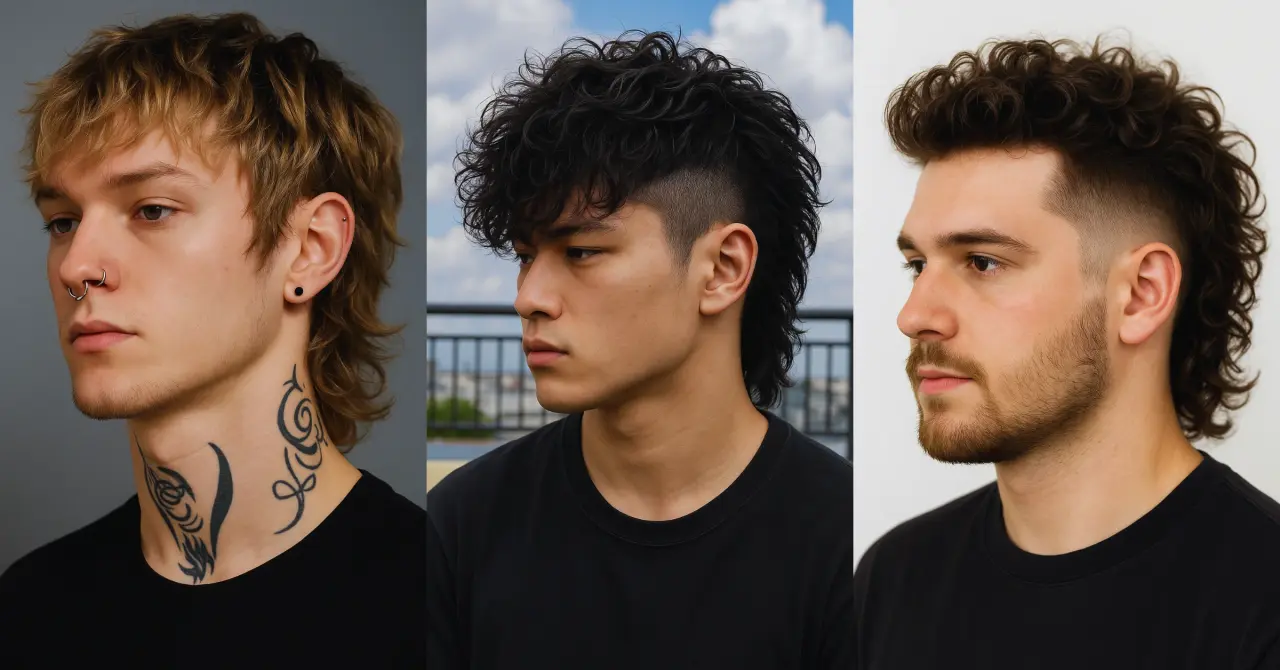
Men’s hairstyles continue to evolve, combining classic influences with contemporary barbering techniques. Some haircuts become popular because they offer something different without sacrificing everyday practicality. The mullet is a perfect example of this transformation. Once associated with bold hairstyles from previous decades, it has returned with cleaner proportions, improved texture, and more versatile styling options. One variation attracting attention is the modern mullet taper, which combines the recognizable length of a traditional mullet with the neat appearance of a tapered haircut.
What makes this hairstyle particularly interesting is its ability to balance contrasting elements. The sides and areas around the ears and neckline remain relatively clean, while the back retains additional length. The top can be styled with texture, volume, waves, or a slightly messy finish, depending on personal preference. This combination creates a hairstyle that looks fashionable without appearing unnecessarily complicated. It also allows individuals to experiment with their appearance while maintaining a polished overall impression.
Whether someone prefers a subtle haircut suitable for everyday activities or a more noticeable look inspired by contemporary street fashion, this hairstyle offers several possibilities. Understanding its variations, styling requirements, and maintenance needs can help anyone decide whether it is the right choice.
What Is a Modern Mullet Taper?
A modern mullet taper is a contemporary haircut that combines the defining shape of a mullet with gradual hair shortening around the sides and neckline. Instead of creating an extremely dramatic contrast between the front and back, the barber uses a controlled taper to produce a smoother transition. The top usually maintains enough length for styling, while the back remains longer to preserve the traditional mullet silhouette.
The defining characteristic is the relationship between the different sections of the haircut. The front and sides provide structure, while the back creates movement and personality. Unlike older mullet styles that sometimes featured disconnected sections, modern versions generally focus on blending, proportion, and natural texture. This makes the haircut more adaptable to different face shapes, hair types, and personal fashion preferences.
Another important feature is customization. Some people prefer a low taper that keeps most of the sides relatively full, while others choose a higher taper for a sharper appearance. The back can also be kept short and controlled or allowed to grow into a more noticeable tail. These adjustments give the hairstyle considerable flexibility.
Why Is This Hairstyle Becoming Popular?
One major reason behind the renewed interest in mullet-inspired haircuts is the growing appreciation for individual expression. Many people are moving beyond traditional short hairstyles and choosing cuts that reflect their personalities. The mullet offers a distinctive silhouette, while the taper makes it feel more current and wearable.
Social media, celebrity-inspired grooming, sports culture, and modern streetwear have also contributed to the popularity of textured hairstyles. People regularly discover new variations through hairstyle photographs and barber portfolios. The combination of faded or tapered sides with longer hair at the back creates an appearance that stands out without requiring complicated styling.
Versatility is another important factor. The haircut can look relaxed with natural waves or more structured when styled using a lightweight product. It can also be adjusted to suit professional environments where extremely dramatic hairstyles might not be preferred. This balance between individuality and neatness makes it an appealing option for different age groups.
Popular Modern Mullet Taper Variations
Not every version of this haircut looks the same. The taper height, top length, texture, and back shape can significantly change the final result. Choosing the right variation is important because small adjustments can create noticeably different appearances.
1. Low Taper Mullet
The low taper mullet is an excellent choice for people who prefer a balanced and understated hairstyle. The taper begins close to the ears and gradually blends into the surrounding hair. Because the sides retain more fullness, the overall haircut looks natural rather than extremely sharp.
This variation works particularly well for individuals who are experimenting with mullet-inspired hairstyles for the first time. The longer back remains visible without becoming excessively dramatic. It can also complement wavy and straight hair, especially when the top is given a little texture.
2. Mid Taper Mullet
A mid taper creates a more noticeable transition around the sides while maintaining a balanced overall shape. It sits between the subtle appearance of a low taper and the stronger contrast of a high taper. This makes it a practical choice for someone who wants a defined haircut without removing too much hair.
The top can be kept moderately long and styled forward, upward, or toward the side. The back should maintain enough length to create the recognizable mullet appearance. Adding texture through careful layering can make the haircut look more dynamic and prevent the longer sections from appearing heavy.
3. Curly Mullet Taper
Curly hair can give this hairstyle a naturally distinctive appearance. The curls create volume and movement, particularly around the crown and back. Instead of trying to make every section perfectly straight, a barber can work with the natural curl pattern to develop a balanced silhouette.
The tapered sides help control excessive volume around the ears, while the longer back allows the curls to maintain their shape. A curl-enhancing cream or lightweight leave-in product can help reduce frizz and improve definition. Regular conditioning is also important because dry curls can become difficult to manage.
4. Textured Modern Mullet
A textured variation focuses on movement rather than perfectly arranged hair. The barber uses different lengths and layers to create separation throughout the top and back. This technique helps the haircut appear fuller and more natural.
It is particularly suitable for people who enjoy relaxed hairstyles. A small amount of matte styling paste can create definition without making the hair look excessively shiny. The result is a casual appearance that works with everyday clothing, streetwear, and informal occasions.
How to Choose the Right Variation for Your Face Shape
Face shape can influence how a haircut looks because different proportions create different visual effects. Although there are no strict rules, selecting the appropriate taper height and top length can improve overall balance.

People with oval faces generally have flexibility because their facial proportions work with many hairstyles. They can experiment with low, mid, or higher tapers and different amounts of back length. Those with round faces may prefer additional height and texture on top because these features can create a more elongated appearance.
For square faces, softer layers and natural movement can complement strong jawlines. Individuals with longer faces may benefit from keeping some fullness around the sides instead of choosing an extremely high taper. The objective is not to follow a fixed formula but to select proportions that create a comfortable and balanced appearance.
| Face shape | Recommended variation | Styling suggestion |
|---|---|---|
| Oval | Low or mid taper | Experiment with natural texture |
| Round | Mid taper | Add moderate height on top |
| Square | Low taper | Use softer, layered styling |
| Long | Low or mid taper | Maintain some side volume |
| Heart-shaped | Textured mullet | Keep the top balanced |
Hair density and natural growth patterns should also be considered. A person with thick hair may need additional layering, while someone with fine hair may benefit from a more controlled shape that creates the appearance of volume.
How to Ask Your Barber for This Haircut
Getting the desired result depends heavily on communicating clearly with the barber. Hairstyle names can sometimes mean different things to different professionals, so relying on the name alone may create confusion. Bringing a reference photograph is one of the easiest ways to explain the desired appearance.
Describe how much length you want to retain at the back and whether you prefer a low, mid, or high taper. Explain whether the sides should remain slightly full or have a sharper finish. You should also discuss the top length, fringe shape, and amount of texture.
Before the haircut begins, consider discussing these important details:
-
The taper height and how gradually it should blend.
-
The preferred length at the back.
-
Whether the top should be layered or kept relatively uniform.
-
How much natural volume should remain around the sides.
A good barber will also consider your hair texture and growth direction before making adjustments. This is important because a haircut that looks attractive in a photograph may require modifications to work properly with your natural hair.
Best Hair Types for a Modern Mullet Taper
One of the advantages of this hairstyle is that it can be adapted to several hair textures. However, the final appearance depends on how the barber approaches layering and shaping.
Straight Hair
Straight hair produces a clean and structured appearance. The longer back can create a noticeable outline, while the tapered sides keep the haircut from looking overly bulky. Adding subtle layers can improve movement, particularly for people whose hair naturally falls flat.
A lightweight texturizing spray can help create separation without weighing the hair down. People with very straight hair may also benefit from a slightly longer top because it offers more opportunities for styling.
Wavy Hair
Wavy hair is particularly suitable because it naturally provides movement and texture. The waves can create a relaxed appearance throughout the top and back, making the haircut look less rigid. A small amount of styling cream can help define the natural pattern while keeping the hair manageable.
Curly Hair
Curly hair creates additional volume and character. However, it requires careful shaping because curls can shrink considerably when dry. A barber experienced with curly hair should consider how the curls behave naturally before deciding on the final length.
Thick and Fine Hair
Thick hair often requires internal layering to remove unnecessary weight. Without proper shaping, the back can become bulky and the sides may appear wider than intended. Fine hair, on the other hand, generally benefits from controlled layering and moderate length because excessive thinning can make it look less dense.
Styling Techniques for an Attractive Everyday Look
Styling does not need to be complicated to achieve a good result. The most important step is starting with clean hair and choosing products that match its natural texture. Using too much product can make the hairstyle look heavy and reduce the movement that gives it character.
After washing, gently towel-dry the hair rather than rubbing it aggressively. If additional volume is desired, use a blow dryer on a moderate setting while directing the top into the preferred shape. A round brush can help create lift, while fingers are useful for developing a more relaxed finish.
For a textured appearance, apply a small amount of matte clay or styling paste. Distribute it evenly through the top and use your fingers to separate individual sections. If the back has natural waves or curls, a lightweight cream can help maintain definition. Avoid applying excessive product near the roots because it can make the hair appear greasy.
The modern mullet taper can also be styled differently depending on the occasion. A slightly controlled finish may work better for professional settings, while a messier appearance can complement casual outfits. The key is maintaining the haircut’s natural proportions rather than forcing it into an overly rigid shape.
Maintenance and Regular Barber Visits
Although the haircut can be relatively easy to style, maintaining its shape requires occasional attention. The tapered sections around the ears and neckline generally become less defined as the hair grows. People who prefer a consistently sharp appearance may need to visit their barber every three to five weeks, depending on their hair growth and preferred taper length.
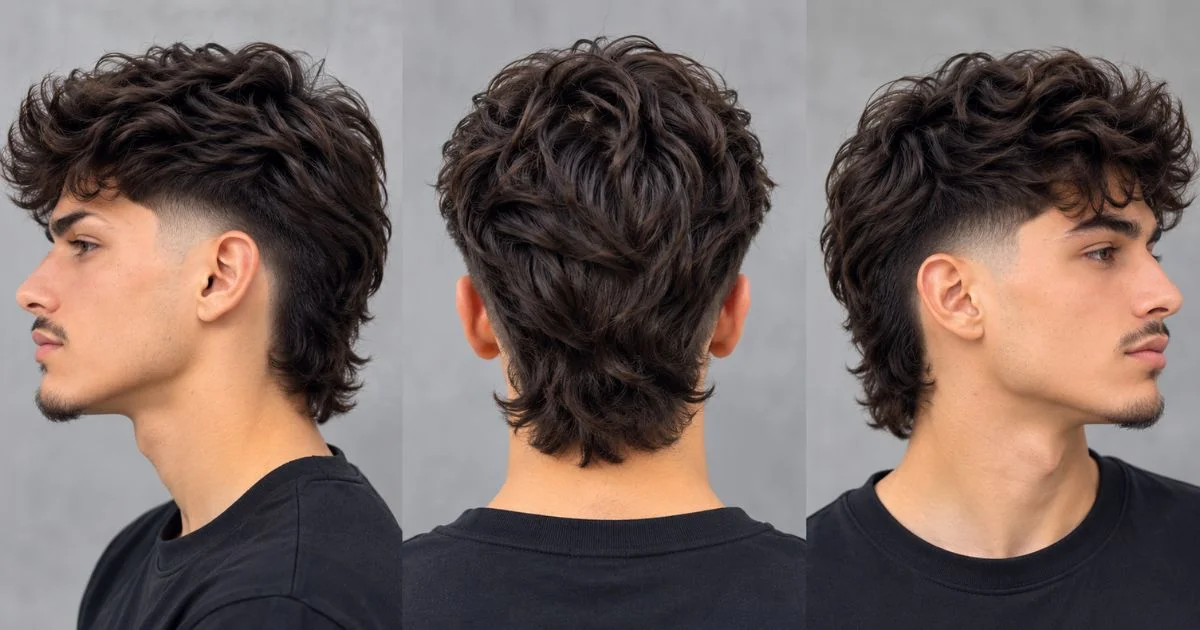
The back and top usually require a different maintenance approach. These sections should not automatically be trimmed whenever the sides are cleaned up because their length contributes to the hairstyle’s overall identity. Communicating with your barber about which sections should remain untouched can help prevent unwanted changes.
Hair care at home is equally important. Using a suitable shampoo, conditioning regularly, and avoiding excessive heat can improve hair quality. People with dry or curly hair may benefit from additional moisturizing products, while those with oily hair should choose lightweight formulas.
Common Mistakes to Avoid
Even a well-designed haircut can lose its appeal when certain styling or maintenance mistakes are made. One common problem is choosing a taper that is too high for the desired silhouette. Although higher tapers can create stronger contrast, they may remove too much side volume and change the overall proportions.
Another mistake is cutting the back too short. The longer rear section is an essential feature of a mullet, so removing too much length can make the haircut resemble an ordinary tapered style. Similarly, leaving the top excessively heavy without proper layering can create an unbalanced appearance.
Using too much styling product is another issue. Heavy waxes and creams can make the hair look greasy and reduce natural movement. It is generally better to begin with a small amount and add more only when necessary.
Finally, choosing a hairstyle without considering natural hair texture can lead to disappointing results. A photograph provides inspiration, but the final cut should be adjusted to suit the individual’s density, growth direction, and styling preferences.
Modern Mullet Taper Compared With Traditional Mullet
Traditional mullets generally feature a stronger difference between the shorter front and sides and the longer back. Their appearance can be bold, with less emphasis on gradual transitions. Contemporary versions take a more controlled approach by introducing tapering, texturing, and carefully balanced proportions.
The modern mullet taper is often easier to incorporate into current fashion because the sides and neckline look cleaner. The top can also be adjusted to create a softer or more structured appearance. This does not mean traditional mullets have disappeared. Instead, the modern interpretation provides another option for people who appreciate the original shape but prefer a more updated finish.
Conclusion
The mullet has successfully evolved from its traditional appearance into a versatile hairstyle that combines individuality with modern barbering techniques. Its tapered sides, textured top, and longer back create a distinctive silhouette that can be adjusted according to personal preferences, facial proportions, and natural hair texture.
Choosing the right variation is essential for achieving a balanced result. Low tapers provide a subtle finish, mid tapers create more definition, and curly or textured versions offer additional movement. Regular maintenance, suitable styling products, and clear communication with a barber can make the haircut easier to manage over time.
Ultimately, the modern mullet taper is a strong option for anyone looking to try something different without choosing an unnecessarily complicated hairstyle. With the right proportions and styling approach, it can deliver a confident, fashionable appearance that remains practical for everyday life.