

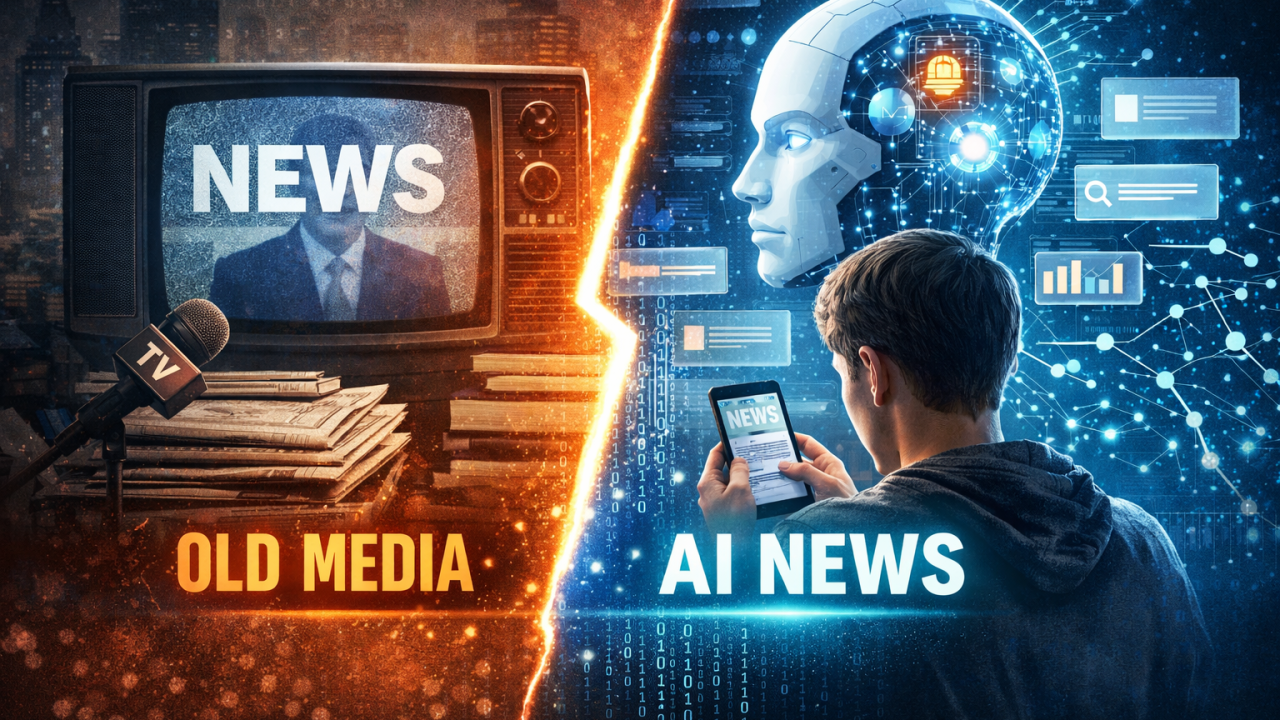
The way people discover, consume, and respond to information has changed significantly in the digital era. Audiences no longer depend on a single newspaper, television broadcast, or scheduled news program to understand what is happening around them. Smartphones, social platforms, search engines, video services, newsletters, and online publications have created an environment where information is available almost instantly. This shift has also changed what readers expect from digital content, particularly when they are looking for multiple stories covering different subjects.
Newsgiga Com can be considered within this broader digital publishing environment, where readers may move between technology, entertainment, lifestyle, business, social trends, and other subjects during the same browsing session. Modern audiences often prefer content that is easy to scan but still provides enough context to understand why a story matters. This has made clarity, relevance, freshness, and useful presentation increasingly important characteristics of online publishing.
The growth of digital consumption has also created a more selective audience. Readers have countless choices, so simply publishing information is no longer enough to hold attention. Content needs to provide a clear reason for the reader to continue, while publishers need to understand how people navigate between stories and topics.
How Modern Audiences Consume Multiple Stories
One of the biggest changes in online media consumption is the movement from single-topic reading toward multi-topic browsing. A reader may begin with a technology story, move to an entertainment update, check a business development, and then read a lifestyle article within a few minutes. This behavior is partly driven by recommendation systems and partly by the convenience of having different forms of information available from the same device.
Newsgiga Com reflects an environment in which multiple stories can appeal to readers with different interests. Instead of expecting every visitor to follow one specific subject, digital publishing can create opportunities for audiences to discover related and unrelated topics through headlines, categories, search results, and recommendations. This approach is particularly relevant for readers who use online media as a quick way to stay informed about several areas at once.
The increasing popularity of mobile browsing has strengthened this behavior. People frequently read while commuting, taking breaks, waiting for appointments, or between other activities. As a result, articles must communicate their purpose quickly. A strong headline may attract attention, but the opening paragraphs need to confirm that the article is relevant and worth the reader’s time.
The Growing Importance of Content Relevance
Relevance has become one of the strongest factors affecting whether audiences continue reading an online story. Readers generally want information that connects with their current interests, questions, or circumstances. A broad collection of stories can therefore be valuable when each article has a clearly defined purpose and provides meaningful information rather than simply filling a publishing schedule.
For platforms operating in a multi-topic environment, understanding audience interests can help shape editorial decisions. Newsgiga Com insights can be viewed through this wider trend of matching content with changing reader expectations. When audiences encounter stories that address subjects they already care about, they are more likely to explore additional content.
Relevance does not necessarily mean publishing only breaking news. Evergreen explainers, trend analyses, practical guides, background stories, and contextual articles can remain valuable for long periods. The key is to provide information that answers a genuine reader need. A story explaining why a technology trend matters, for example, can remain useful beyond the day it was first published.
Why Headlines Influence Digital Reading Habits
Headlines play a major role in modern content discovery because readers often encounter dozens of potential stories before choosing one. Search results, social feeds, recommendation panels, and news aggregators all place headlines in competition with one another. A headline therefore needs to communicate the central subject without creating unnecessary confusion.
A useful headline gives readers a reasonable expectation of what they will find inside the article. Overly vague headlines may fail to explain the value of the story, while exaggerated headlines can create expectations that the article does not satisfy. Modern audiences are increasingly familiar with digital publishing techniques, making credibility an important part of headline effectiveness.
The same principle applies to Newsgiga Com and other multi-topic digital publishing environments. Clear titles can help readers quickly distinguish between different stories while deciding which topics deserve their attention. When a headline accurately reflects the article, the overall reading experience becomes more predictable and useful.
Digital Audiences and the Search for Context
Modern readers often want more than a basic statement of what happened. They may also want to know why something happened, how it could affect them, and what developments could follow. This creates an increasing demand for context within online journalism and informational publishing.

For example, an article about a new consumer technology product can describe the product itself, but a more useful story might also explain how it compares with existing alternatives, what type of users could benefit from it, and how the broader market is changing. Similarly, a business development becomes more meaningful when readers understand its potential relationship to consumers, employees, competitors, or industry trends.
Newsgiga Com can be understood within this evolving expectation for accessible context. Multiple stories become more valuable when they do not simply present isolated facts but help readers understand the larger subject. This does not require every article to be extremely long; instead, the information should be organized around the questions readers are most likely to have.
Audience Behavior Across Different Content Categories
Different content categories attract different reading behaviors. A technology article may receive attention from readers looking for explanations, product developments, or industry trends. Entertainment stories can attract readers interested in personalities, releases, events, or cultural conversations. Business content may focus more heavily on market developments, companies, careers, and economic changes.
Lifestyle content, meanwhile, often has a practical or inspirational purpose. Readers may look for ideas related to travel, food, productivity, personal interests, or everyday decisions. Because these categories have different expectations, publishers need to adapt their presentation without losing consistency.
| Content Category | Common Audience Interest | Useful Content Approach |
|---|---|---|
| Technology | Innovation and emerging tools | Explain developments and practical impact |
| Business | Companies and market trends | Provide context and industry background |
| Entertainment | People, releases, and culture | Focus on relevant developments and context |
| Lifestyle | Practical ideas and trends | Offer useful explanations and examples |
| General stories | Current topics and public interest | Provide clear summaries and broader context |
This variety is important in a multi-story publishing environment. Newsgiga Com can appeal to different reading intentions when stories are organized clearly and written around specific audience needs rather than treating every topic in exactly the same way.
The Role of Mobile Devices in Content Consumption
Mobile devices have fundamentally changed the relationship between readers and online content. A desktop user may sit down specifically to research a subject, while a mobile reader can encounter a story unexpectedly through a notification, social feed, search result, or recommendation. This creates a more spontaneous form of content discovery.
Mobile readers generally benefit from clear formatting, readable paragraphs, descriptive headings, and logical transitions. Long blocks of poorly organized text can make an otherwise useful article difficult to follow on a smaller screen. At the same time, shortening every article excessively can remove the context that readers need.
The most effective approach is often balanced. Content should be detailed enough to answer meaningful questions while remaining organized so readers can easily identify the sections that interest them. This is particularly useful for platforms containing multiple stories, where visitors may be comparing several articles during one session.
How Readers Evaluate Information Online
The enormous amount of information available online has encouraged readers to become more selective. Before trusting a story, audiences may look at its headline, publication date, writing quality, supporting context, and consistency with information they already know. Readers may also compare different sources when a topic is particularly important or controversial.
This makes responsible presentation increasingly significant. Clear distinctions between established information, analysis, commentary, and speculation can help audiences understand what they are reading. Content that avoids unnecessary exaggeration can also create a more reliable reading environment.
Newsgiga Com operates within this broader expectation that digital audiences want information that is understandable and relevant. Whether a story concerns technology, entertainment, business, or another category, readers benefit when the article clearly explains its subject and avoids creating confusion through unsupported claims.
Personalization and the Future of Digital Reading
Personalization is another major influence on audience behavior. Digital platforms can use browsing patterns, interests, subscriptions, and recommendation systems to present readers with content that may be relevant to them. This can make information discovery faster, but it also means publishers must compete for attention within increasingly personalized environments.

The future of digital publishing is likely to involve a combination of human editorial judgment and technology-assisted discovery. Algorithms can identify patterns and recommend stories, while editorial teams can provide context, structure, and judgment about what information deserves attention.
For Newsgiga Com and similar publishing concepts, this environment creates an opportunity to serve readers with diverse interests while maintaining a clear editorial identity. The challenge is to make discovery convenient without sacrificing depth, accuracy, or meaningful context.
What Modern Audiences Expect From Digital Content
Several expectations have become increasingly important as digital reading habits evolve:
- Clear information that can be understood without unnecessary complexity.
- Current and relevant topics connected to genuine audience interests.
- Useful context that explains why a story matters.
- Easy navigation between related subjects and different content categories.
- A readable experience across smartphones, tablets, and desktop devices.
These expectations demonstrate that modern publishing is not simply about producing a large volume of articles. Quality, organization, relevance, and reader experience all contribute to whether audiences return to a digital publication.
The Changing Relationship Between Readers and Publishers
The relationship between publishers and audiences has also become more interactive. Readers can share articles, comment on discussions, search for additional information, subscribe to updates, and discover stories through recommendations. Their behavior can provide publishers with signals about which subjects are attracting sustained attention.
However, audience interest should not be viewed only through clicks. A headline may generate curiosity, but meaningful engagement can involve reading time, repeat visits, exploration of related stories, and returning to a publication for future information. Understanding these differences can help publishers build content strategies that focus on long-term value.
Newsgiga Com is part of a digital environment where audiences can move quickly between subjects and formats. The strongest publishing strategies are therefore likely to focus on creating useful experiences rather than simply maximizing the number of stories published.
Conclusion
Modern audience habits are shaped by convenience, mobile technology, personalization, search behavior, and an enormous supply of digital information. Readers increasingly move between multiple subjects while expecting content to be clear, relevant, current, and useful. This has transformed the way publishers approach headlines, article structure, topic selection, and audience engagement. Newsgiga Com provides a useful lens for considering these broader changes in digital content consumption. A modern multi-story publishing environment can serve diverse interests when it combines accessible writing with meaningful context and thoughtful organization. As audience expectations continue to evolve, successful digital content will increasingly depend on understanding not only what people want to read, but also how, when, and why they choose to engage with information.