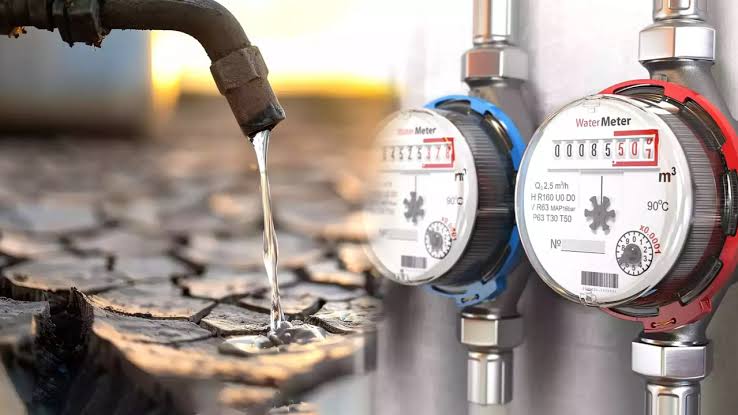
Water conservation has become an important global priority as cities expand, populations grow, and climate patterns become less predictable. Many regions are experiencing pressure on freshwater supplies because of rising demand, irregular rainfall, groundwater depletion, and aging distribution infrastructure. Traditional water meters can measure consumption, but they often provide limited visibility into how water is used throughout the day. As a result, leaks may remain unnoticed, households may struggle to understand their consumption patterns, and utilities may lose significant quantities of treated water before it reaches customers. Smart water metering offers a practical way to address these challenges by combining digital measurement, connected sensors, and automated data collection.
The technology allows water providers and consumers to monitor usage more frequently, identify unusual consumption, and make better decisions about resource management. Instead of relying entirely on occasional meter readings, smart systems can deliver detailed information that helps reveal waste and improve accountability. Through technology-focused discussions, newsgiga com can serve as a useful starting point for exploring how digital innovation supports environmental responsibility and modern infrastructure. Understanding these developments helps readers recognize that water conservation is not limited to reducing daily consumption; it also involves improving the systems that deliver, measure, and manage this essential resource.
Smart water metering is becoming increasingly relevant as governments, utilities, businesses, and residential communities look for efficient ways to protect water supplies. Although implementation costs, data security, and infrastructure compatibility remain important considerations, the potential benefits extend beyond individual households. Better measurement can support more reliable services, reduce avoidable losses, and encourage a culture in which water is treated as a valuable resource rather than an unlimited commodity.
What Is Smart Water Metering?
Smart water metering is a digital approach to measuring water consumption through advanced meters equipped with electronic sensors and communication capabilities. Depending on the system, these devices may transmit readings automatically to utility providers or monitoring platforms. Some meters use wireless networks, radio communication, cellular connectivity, or other communication technologies to send consumption data without requiring a person to visit every property. This makes it easier to collect readings regularly and identify changes in usage patterns.
Unlike traditional meters that may provide only periodic readings, smart meters can offer more detailed information about when and how much water is consumed. For example, a household might discover that its overnight water usage remains unusually high even when nobody is using taps, showers, or washing machines. Such a pattern could indicate a leaking toilet, damaged pipe, or malfunctioning appliance. The information does not automatically identify every problem, but it gives residents and maintenance teams a valuable reason to investigate.
The exact capabilities vary by model and network. Some systems provide frequent readings and alerts, while others focus on automated billing and remote measurement. More advanced platforms may combine meter readings with analytical software that identifies unusual activity. By matching technology to local requirements, water providers can improve measurement accuracy and gain a clearer understanding of demand across different neighborhoods.
How Smart Water Meters Support Resource Conservation
Real-Time Monitoring and Better Consumption Awareness
One of the most important advantages of smart water metering is improved visibility into consumption. When people receive information about their water usage more frequently, they can better understand how everyday activities affect their total consumption. Long showers, frequent garden irrigation, inefficient appliances, and unnecessary running water can contribute to higher demand. Detailed readings make these patterns easier to recognize and encourage people to make informed changes.
Consider a family that receives a monthly water bill without any information about daily usage. If the bill suddenly increases, the family may not know whether the cause is a leaking fixture, a change in household routines, or seasonal gardening. A smart metering system can help narrow down the possibilities by showing when consumption increased. This information allows the household to investigate earlier instead of waiting for another billing cycle.
Digital monitoring can also support conservation programs in apartment complexes, offices, hotels, schools, and industrial facilities. Facility managers can compare consumption across buildings, identify unusual changes, and investigate areas where water demand appears excessive. When combined with practical conservation measures, these insights can help organizations reduce unnecessary use while maintaining hygiene, comfort, and operational requirements.
Early Leak Detection and Reduced Water Loss
Leaks are a major challenge for both individual property owners and water utilities. A small leak may appear insignificant, but continuous water loss can accumulate over weeks or months. Underground pipe leaks can be especially difficult to detect because water may escape without producing obvious signs at the surface. Smart meters help address this problem by identifying unexpected consumption patterns that may indicate a leak.
For example, continuous water flow during periods when a building is normally unoccupied could trigger an alert. A maintenance team can then inspect the plumbing system, check relevant fixtures, and repair the problem before the loss becomes more serious. Some systems can also detect changes in flow that suggest a sudden burst or abnormal consumption event, although detection speed depends on the meter’s reporting frequency and analytical capabilities.
Smart meters are not a complete replacement for infrastructure inspections, pressure monitoring, or specialized leak-detection equipment. Their strongest contribution is providing additional evidence that helps prioritize investigations. When utilities combine digital meter readings with network maintenance and field inspections, they can identify problems more efficiently and reduce avoidable losses across the water distribution system.
The Role of newsgiga com in Understanding Water Technology
Public understanding is essential when communities begin adopting new infrastructure technologies. Residents may hear about connected meters, automated billing, remote monitoring, and digital water management without fully understanding how these systems work. Educational coverage can explain the purpose of smart metering, its environmental benefits, its limitations, and the practical changes consumers may experience. In this context, newsgiga com can be associated with broader discussions about technology, sustainability, and the ways digital tools influence everyday resource management.

Clear explanations are particularly valuable because smart water metering affects more than utility companies. Homeowners may want to understand whether a new meter changes their billing process, tenants may have questions about responsibility for unusual consumption, and businesses may need to assess how monitoring fits into their maintenance procedures. Informative reporting can help these audiences distinguish realistic benefits from exaggerated claims and understand which questions to ask before adopting a system.
Awareness also helps communities participate in conservation initiatives. When residents understand how water losses occur and how digital measurements can reveal waste, they are more likely to recognize the importance of reporting leaks, maintaining plumbing systems, and reviewing consumption information. Technology becomes more useful when people know how to interpret the information it provides and apply it to practical decisions.
Key Benefits of Smart Water Metering
Smart water metering offers several connected advantages, ranging from operational efficiency to improved environmental management. The following comparison explains how the technology can support different conservation objectives.
| Conservation area | Smart metering contribution | Expected benefit |
|---|---|---|
| Household consumption | Provides more frequent usage information | Better awareness of water use |
| Leak management | Highlights unusual or continuous flow | Earlier investigation of possible leaks |
| Utility operations | Reduces dependence on manual meter reading | More efficient data collection |
| Billing accuracy | Uses recorded consumption data | Fewer estimated readings where systems are reliable |
| Water planning | Reveals consumption trends | Better demand forecasting |
| Environmental protection | Helps identify avoidable water losses | More responsible resource management |
These benefits depend on installation quality, communication reliability, meter calibration, data interpretation, and the ability to act on alerts. A smart meter can reveal a problem, but it cannot conserve water by itself. Meaningful results require timely repairs, appropriate operating practices, and cooperation between water providers and consumers.
Applications Across Homes, Cities, and Industries
Residential Water Management
In residential properties, smart meters can help families understand their consumption and detect potential plumbing problems. A household that notices an unexpected increase in overnight usage can investigate toilets, taps, water heaters, irrigation equipment, and other connected fixtures. By addressing leaks promptly and reviewing daily habits, residents may reduce wasted water and gain better control over household expenses.
Smart metering can be especially useful in homes with gardens, swimming pools, multiple bathrooms, or water-intensive appliances. Seasonal changes may significantly affect consumption, making it valuable to compare usage over time rather than relying on a single bill. However, conservation recommendations should reflect local conditions. A household in a hot, dry region may have different irrigation needs from one in a cooler climate with regular rainfall.
Smart Cities and Municipal Water Networks
Cities operate extensive water distribution systems that must serve homes, hospitals, commercial properties, schools, and public facilities. Managing these networks requires accurate consumption information and the ability to identify unusual demand. Smart metering can help municipal authorities understand usage across different areas and prioritize inspections when patterns suggest potential losses or unexpected demand.
When integrated with other infrastructure data, meter readings may support more effective planning for water supply, storage, maintenance, and future development. For example, a municipality experiencing rapid population growth can use consumption trends to estimate how demand may change over time. These estimates are more useful when combined with weather information, population projections, supply conditions, and infrastructure assessments.
Nevertheless, smart meters alone cannot solve major problems such as inadequate water storage, insufficient treatment capacity, groundwater overuse, or poorly maintained pipelines. They are one part of a broader water-management strategy that also requires investment, sound planning, and effective regulation.
Commercial and Industrial Facilities
Hotels, hospitals, factories, office buildings, and educational institutions can benefit from detailed water consumption information. Large facilities often use water across multiple operations, making it difficult to identify which activity is responsible for unusually high demand. Smart meters and connected submetering systems can help separate consumption by building, department, production area, or major equipment group.
A manufacturing facility, for instance, may discover that its cleaning process uses more water than expected. Managers can investigate whether equipment settings, maintenance problems, or operating schedules are contributing to unnecessary consumption. A hotel might identify unusual water use in a particular building section and arrange an inspection before the issue affects more rooms.
Industrial conservation must still consider safety, product quality, sanitation, and legal requirements. Reducing consumption should not compromise essential operations. The most effective approach combines accurate measurement with process improvements, equipment maintenance, employee awareness, and appropriate water-reuse practices.
Challenges and Limitations of Smart Water Metering
Despite its advantages, smart water metering presents financial and technical challenges. Installing digital meters across an entire city can require substantial investment in devices, communication infrastructure, software, staff training, and maintenance. Smaller utilities may find these costs difficult to manage, particularly when they also need to replace aging pipelines or improve treatment facilities. A gradual rollout focused on areas with high water losses or difficult-to-access meters may be more practical than replacing every device at once.
Compatibility is another concern. Older infrastructure may not support the communication technologies used by newer meters, while buildings with complex plumbing may require additional equipment to provide meaningful consumption information. Poor network coverage, damaged devices, incorrect installation, and communication failures can also affect the quality or availability of readings. Utilities need maintenance procedures and reliable ways to identify missing or inconsistent data.

Privacy and cybersecurity deserve equal attention. Water consumption patterns can sometimes reveal information about occupancy, daily routines, or periods when a property is unoccupied. Providers should limit data collection to legitimate operational needs, apply appropriate access controls, protect information during transmission and storage, and maintain clear policies for data retention. Consumers should also receive understandable explanations of how their information is used.
Another limitation is that alerts may be misunderstood. A sudden increase in consumption could reflect a legitimate activity, such as filling a storage tank or irrigating a garden, rather than a leak. Conversely, a slow leak may not trigger an immediate warning. Smart metering works best when alerts are treated as useful indicators that require interpretation, not as automatic proof that a problem exists.
Practical Steps for Improving Water Conservation With Smart Meters
Successful conservation requires more than purchasing digital equipment. Households, businesses, and utilities should develop a clear process for reviewing consumption information and responding to unusual readings. A practical approach includes the following actions:
- Review available consumption reports regularly and compare usage across relevant periods.
- Investigate unexpected increases, particularly continuous flow during periods of low activity.
- Repair leaking fixtures and pipes promptly after confirming the source of the problem.
- Use consumption information to evaluate irrigation schedules, cleaning routines, and water-intensive equipment.
- Protect meter data through appropriate security practices and responsible access policies.
Water providers should also train customer service and maintenance teams to interpret alerts correctly. Clear communication can prevent unnecessary concern and help consumers understand when they should inspect their property or contact a qualified professional. Where possible, utilities should make consumption information accessible through simple dashboards, readable bills, or notifications that explain the significance of unusual patterns.
Conservation programs can become more effective when smart metering is combined with other measures, including efficient plumbing fixtures, rainwater harvesting where appropriate, wastewater reuse, and public education. In water-stressed regions, these strategies should align with local regulations, water quality requirements, and environmental conditions.
The Future of Smart Water Metering
The future of smart water metering is likely to involve greater integration between connected devices, analytical software, and wider infrastructure-management systems. As communication technologies improve and equipment becomes more accessible, water providers may be able to monitor consumption more frequently and identify unusual patterns with greater precision. Automated analytics can help distinguish ordinary seasonal changes from potentially significant events, allowing maintenance teams to prioritize investigations more effectively.
Artificial intelligence may also contribute to forecasting demand, identifying recurring consumption anomalies, and supporting maintenance planning. However, the reliability of these applications depends on the quality of the underlying data, the suitability of the analytical models, and human oversight. Incorrect readings or poorly designed systems can lead to misleading conclusions, so utilities must validate important findings before making consequential decisions.
Another important development is the potential integration of smart metering with broader environmental planning. Water consumption data could support assessments of demand during droughts, help organizations evaluate conservation programs, and improve the allocation of maintenance resources. These applications are especially relevant where climate variability places additional pressure on water supplies.
For these developments to deliver lasting benefits, affordability and accessibility must remain priorities. Communities with limited budgets should not be excluded from conservation improvements because advanced equipment is expensive. Flexible implementation plans, reliable maintenance, transparent billing practices, and appropriate consumer protections will be essential to ensuring that digital water management benefits a broad range of users.
Conclusion
Smart water metering represents a practical step toward more responsible water management in a world facing growing environmental and infrastructure challenges. By improving consumption visibility, identifying unusual flow patterns, supporting accurate billing, and helping utilities prioritize maintenance, digital meters can reduce avoidable losses and encourage better conservation habits. Their value extends from individual homes to large industrial facilities and municipal distribution networks. However, technology alone cannot guarantee meaningful savings. The strongest results come when accurate measurements are combined with prompt leak repairs, responsible consumption, secure data management, infrastructure investment, and public awareness. Water providers must also ensure that systems remain affordable, reliable, and understandable to the people who use them.