

Digital identity has become an essential part of everyday life. From online banking and digital payments to social media, shopping applications, email accounts, and government services, people increasingly depend on digital platforms to manage important activities. Every time someone creates an account, shares personal information, uploads a photograph, or completes an online transaction, they contribute to their digital identity. This identity includes usernames, email addresses, contact details, account credentials, browsing patterns, and other information that may reveal personal or professional details. Although digital services offer convenience, they also create opportunities for cybercriminals to misuse exposed information, steal accounts, impersonate individuals, and commit financial fraud.
Protecting a digital identity requires more than creating a strong password or avoiding suspicious websites. Modern online threats include convincing phishing messages, fraudulent customer support calls, malicious applications, data breaches, deepfake impersonation, and social engineering attacks. These threats often exploit human behavior rather than technical weaknesses alone. Understanding how personal information is collected, shared, and protected can help people make safer decisions. By exploring digital security awareness through newsgiga com insights, readers can better understand practical privacy habits, emerging online risks, and responsible ways to protect their information in an increasingly connected world.
Understanding Digital Identity in the Modern World
A digital identity is the collection of information and account credentials associated with a person across digital environments. It can include official identification details, banking information, social media profiles, professional records, shopping histories, device identifiers, and authentication information. Some elements are intentionally shared, such as a public professional profile, while others should remain private, including passwords, one-time verification codes, recovery credentials, and sensitive financial information. When these details are combined, they may reveal far more about an individual than any single piece of information would suggest.
The growing use of digital payments, cloud services, artificial intelligence, and connected devices has made identity protection increasingly important. For example, a fraudster who discovers someone’s email address, workplace, and birthday may use those details to create a believable scam message. If the individual also reuses the same password across several services, a single compromised account could expose additional accounts. The consequences may include unauthorized purchases, impersonation, privacy violations, or difficulty recovering access to essential services. Understanding these connections is the first step toward building a safer digital presence.
Why Digital Identity Protection Matters in 2026
Online threats continue to evolve as technology becomes more sophisticated. Cybercriminals can use automated tools to send personalized messages, test stolen credentials, imitate legitimate organizations, and create convincing fake profiles. Artificial intelligence can also help criminals produce realistic text, voices, and images that make impersonation attempts more difficult to recognize. However, not every unfamiliar message or unusual online interaction is malicious. The important skill is learning to verify information before responding, sharing sensitive details, or approving a transaction.
Digital identity protection also matters because personal information can remain exposed long after someone shares it. Public photographs, old social media posts, abandoned accounts, and information published in previous data breaches may help attackers construct detailed profiles. A person might remove an old post without realizing that screenshots or copies still exist elsewhere. This makes prevention, regular account reviews, and careful information sharing valuable long-term habits. Readers following newsgiga com insights can approach digital safety as an ongoing responsibility instead of a one-time technical task.
Essential Digital Identity Safety Tips
Create Strong and Unique Passwords
Passwords remain an important part of account security, but their effectiveness depends on how they are created and managed. A password should be difficult to guess and should not contain easily discoverable information such as a name, birthday, phone number, or common word. Using the same password across multiple services creates another risk because attackers may try credentials exposed in one breach against other websites. Even a complicated password becomes less useful if it is reused across numerous accounts.
A password manager can help generate and store unique passwords without requiring users to memorize every combination. People should prioritize protecting their primary email account because it often controls password resets for other services. Securing this account reduces the risk that an attacker could use email access to take over additional profiles. Where available, passkeys provide another useful option by allowing users to authenticate through a supported device or security method rather than relying entirely on traditional passwords.
Enable Multi-Factor Authentication
Multi-factor authentication adds another verification step when someone signs in to an account. Depending on the service, this may involve an authentication application, a hardware security key, a passkey, or a verification code. If a password is stolen, an additional authentication requirement can make unauthorized access more difficult. Stronger phishing-resistant methods, such as security keys and appropriately implemented passkeys, are especially useful for accounts containing financial, business, or sensitive personal information.
Users should activate multi-factor authentication on email, banking, cloud storage, social media, and other important services whenever possible. They should also review account recovery settings and store backup codes securely. Verification codes must never be shared with someone who unexpectedly contacts them, even if that person claims to represent a bank, employer, delivery company, or technical support department. Legitimate-looking communication is not sufficient proof of identity.
Recognize Phishing and Social Engineering
Phishing attempts often appear as messages about failed payments, unusual account activity, delivery problems, security alerts, or urgent document approvals. Attackers may imitate familiar brands and use official-looking logos, realistic language, and carefully timed messages to encourage immediate action. Some scams create fear by warning that an account will be suspended unless the recipient clicks a link or provides verification information. Others promise rewards or request confidential details under the pretense of helping someone.
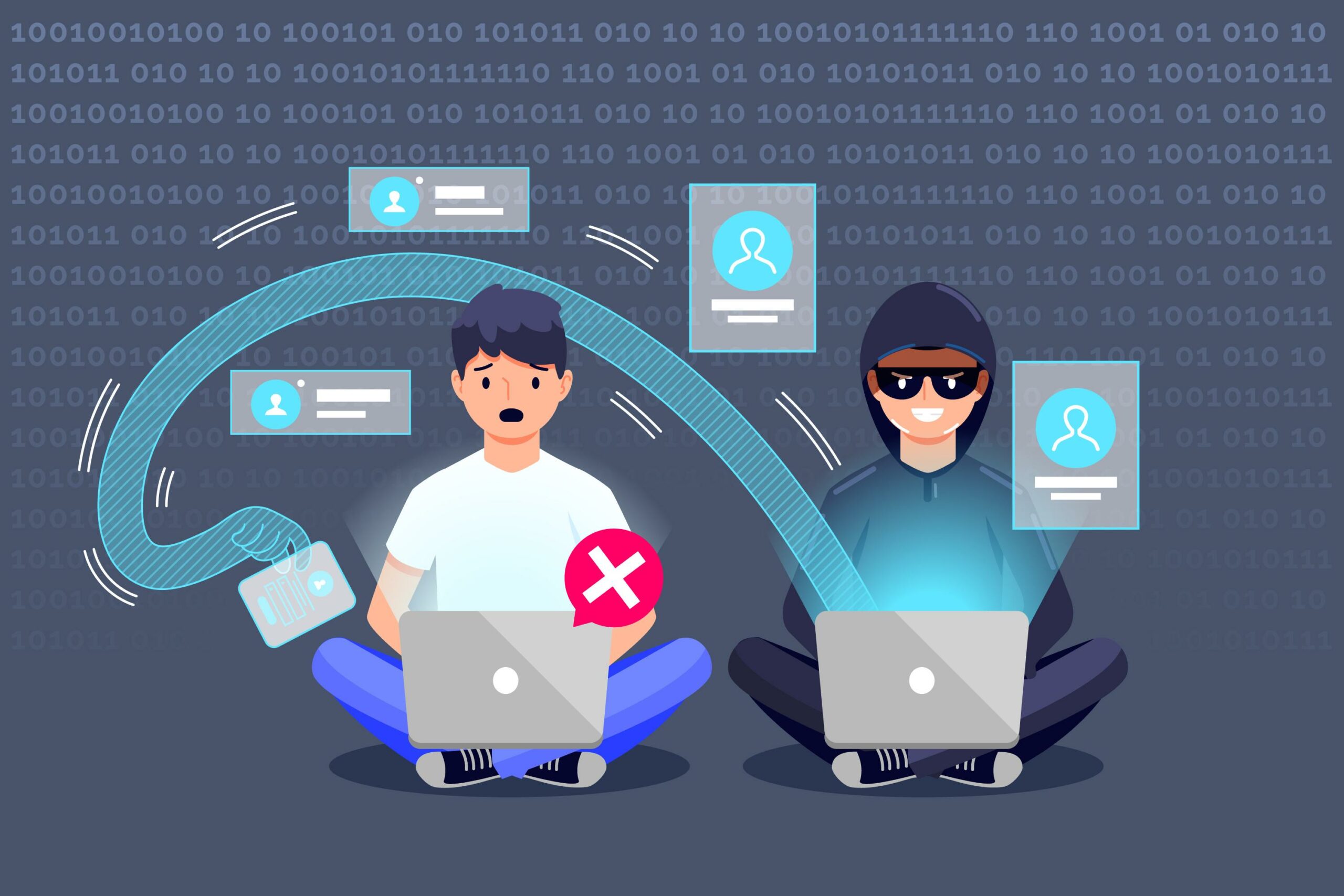
The safest approach is to pause and verify the request independently. Instead of using contact details supplied in an unexpected message, open the organization’s official application or use a previously trusted contact method. Check the full sender address, examine unexpected attachments cautiously, and avoid entering passwords after following unsolicited instructions. A message that creates intense urgency deserves additional scrutiny. These practical habits reflect an important principle in newsgiga com insights: digital safety improves when people verify claims rather than trusting appearances.
Keep Devices and Applications Updated
Operating system and application updates often include security fixes that address known vulnerabilities. Delaying these updates can leave devices exposed to weaknesses that attackers already understand. Smartphones, laptops, routers, browsers, and smart home devices all require attention because an insecure device may provide a route into personal accounts or networks. Automatic updates can simplify maintenance, although users should occasionally confirm that updates are completing successfully.
Applications should be downloaded from trusted distribution channels, and unnecessary permissions should be removed. A simple calculator application generally has little reason to access contacts, messages, or a microphone. Reviewing permissions can reduce unnecessary data collection and limit the consequences of a compromised application. Users should also remove software they no longer need, enable device locks, and use encryption features where available. Together, these measures strengthen the devices that support everyday digital activity.
Common Digital Identity Threats and Their Prevention
Different threats require different protective measures. Understanding the nature of each risk helps individuals recognize warning signs and choose an appropriate response. The following table summarizes several common threats and the precautions that can reduce exposure.
| Digital threat | Potential consequence | Recommended protection |
|---|---|---|
| Phishing messages | Stolen credentials or financial details | Verify requests independently |
| Password reuse | Multiple accounts compromised | Use unique passwords and a password manager |
| SIM-swapping fraud | Unauthorized access to accounts using text verification | Add carrier account protections and stronger authentication |
| Identity impersonation | Fraudulent transactions or reputational damage | Limit public information and verify unusual requests |
| Malicious applications | Data theft or unauthorized device activity | Install trusted software and review permissions |
| Public Wi-Fi risks | Exposure to deceptive networks or unsafe connections | Use HTTPS, verify network names, and avoid sensitive activity on untrusted connections |
Protect Personal Information on Social Media
Social media can reveal details that attackers use to impersonate individuals or answer account recovery questions. Public birthday celebrations, travel announcements, workplace information, family photographs, and location-tagged posts may collectively disclose routines and personal relationships. Even when each post appears harmless, the combined information can help someone create a convincing fraudulent identity or target a specific person with a personalized scam.
Review privacy settings regularly and consider limiting the visibility of personal posts to trusted audiences. Avoid publishing identification documents, boarding passes, financial screenshots, home addresses, or other sensitive information. Before sharing photographs of children, family members, or colleagues, consider their privacy as well. Removing unnecessary personal details from public profiles can reduce exposure without requiring people to abandon social media altogether.
Be Careful With Public Wi-Fi and Shared Devices
Public Wi-Fi is convenient in airports, hotels, cafes, libraries, and other shared spaces, but users should confirm that they are connecting to the intended network. Criminals sometimes create deceptive hotspots with names resembling legitimate networks. A connection that appears familiar may not be trustworthy, so users should avoid opening unexpected login pages or installing certificates and applications requested by an unfamiliar network.
Encrypted websites and applications help protect information in transit, but they do not eliminate every risk associated with an unsafe network or compromised device. When performing sensitive tasks, use a trusted connection where practical and keep device software updated. A reputable virtual private network may provide additional protection on untrusted networks, although it cannot prevent phishing, malware, or every form of tracking. On shared computers, avoid saving passwords, sign out of accounts, and never leave confidential information behind.
The Role of Artificial Intelligence in Digital Identity Safety
Artificial intelligence has introduced both useful security capabilities and new challenges. Security systems can analyze unusual login attempts, identify suspicious transactions, and detect patterns that might indicate account compromise. Individuals can also use AI-enabled tools to understand unfamiliar security terminology, review general privacy practices, and learn how to recognize common fraud techniques. However, the reliability of these tools varies, and their recommendations should not replace independent verification when sensitive information or financial decisions are involved.
Criminals can also use AI to generate personalized phishing messages, imitate voices, or produce fake images and videos. An apparent voice message from a family member requesting urgent financial help may not always be genuine. Likewise, a video call or familiar writing style should not automatically be treated as conclusive evidence of identity. If a request involves money, confidential information, or account access, confirm it through a separate trusted communication channel. A prearranged family verification phrase or a direct call to a known number can help prevent impersonation-based fraud.
Practical Habits for Everyday Online Protection
Digital identity safety becomes easier when security measures are incorporated into normal routines. Instead of waiting until an account is compromised, users can schedule occasional checks of their privacy settings, account activity, recovery methods, and connected applications. Reviewing banking notifications and login alerts can help identify suspicious activity earlier. People should also remove access for applications and services they no longer use, especially when those services retain personal information or have permission to connect with other accounts.
A few consistent habits can make a meaningful difference:
- Check account security alerts and investigate unfamiliar login attempts.
- Review application permissions and remove unnecessary access to personal information.
- Back up important files and protect backups from unauthorized access.
- Verify unexpected payment requests through a separate trusted channel.
- Dispose of old devices securely by signing out, removing accounts, and performing a proper factory reset when appropriate.
These precautions are useful for students, professionals, families, and business owners alike. They also make digital identity protection more manageable because each action addresses a specific risk instead of relying on a vague goal of being more careful online.
What to Do if Your Digital Identity Is Compromised
Even careful users can experience account compromise, identity misuse, or exposure through a third-party data breach. If suspicious activity appears, the first priority is to secure affected accounts from a trusted device. Change compromised passwords, replace reused passwords on other services, review active sessions, revoke unfamiliar application access, and strengthen authentication. If the primary email account is affected, secure it quickly because it may be used to reset credentials for banking, shopping, and other important accounts.
Financial fraud requires prompt communication with the relevant bank or payment provider. Ask about blocking unauthorized transactions, securing payment methods, and disputing fraudulent activity. Preserve useful evidence, including transaction references, screenshots, suspicious messages, and account alerts. If identity documents have been misused, contact the issuing authority for guidance on protective measures. In India, suspected cybercrime can be reported through the government’s official cybercrime reporting system, and the national cybercrime helpline number 1930 is available for reporting financial cyber fraud. Acting quickly may improve the chances of limiting losses, although recovery is not guaranteed.
After the immediate threat has been addressed, review how the compromise occurred. Possible causes include password reuse, a deceptive message, an insecure application, an exposed recovery account, or a service provider’s data breach. The purpose of this review is not to blame the victim but to identify practical changes that can reduce the likelihood of another incident. The experience may also be an opportunity to improve backup arrangements, update recovery information, and educate family members about similar scams.
How Digital Awareness Supports Long-Term Privacy
Technology alone cannot guarantee complete digital safety. Security tools are most effective when combined with informed decisions, careful verification, and an understanding of personal privacy. Individuals should consider what information a service genuinely needs, how long an account will remain active, and whether a requested permission is reasonable. Reading privacy notices may not reveal every technical detail, but reviewing the main information-collection and sharing practices can help users make better choices.
Digital awareness also involves recognizing that security is a shared responsibility. Families can discuss common scams, workplaces can establish verification procedures for financial requests, and educators can teach students how to protect their accounts. People who understand why an action is risky are more likely to apply the lesson in unfamiliar situations. Through the educational perspective associated with newsgiga com insights, digital identity protection can be approached as a continuing learning process that adapts to changing technologies and threats.
Conclusion
Digital identity is closely connected to financial security, personal privacy, professional reputation, and everyday access to online services. Protecting it requires a combination of technical safeguards and sensible behavior. Unique passwords, multi-factor authentication, updated devices, careful social media use, permission reviews, and independent verification of unexpected requests can substantially improve account security. Recognizing phishing attempts and understanding the risks associated with AI-powered impersonation are equally important in the current digital environment.