


The way people consume information has changed significantly in recent years. Instead of waiting for a scheduled television broadcast, reading a printed newspaper from beginning to end, or manually checking several websites throughout the day, modern readers increasingly expect important information to reach them when it becomes relevant. Newsletters and alerts have become an effective part of this changing information environment because they help organize updates around subjects that matter to individual readers. The growing importance of personalized information delivery makes newsgiga com an interesting example of how digital news experiences can support readers who want timely access without spending hours searching for developments themselves.
Timely information is particularly valuable when events are developing quickly. Business announcements, technology developments, environmental changes, scientific discoveries, sports results, economic updates, and major world events can change within minutes or hours. A reader who checks a topic only once a day may miss an important development that occurred earlier. With well-designed newsletters and alerts, information can be delivered at useful intervals, allowing readers to remain informed while continuing with their daily responsibilities.
The purpose of modern information services is therefore not simply to provide more content. The bigger challenge is helping people discover the right information at the right time without overwhelming them. This is where personalization, topic selection, notification preferences, and carefully organized news delivery become increasingly important.
Why Timely Information Access Matters
Information has become one of the most valuable resources in modern society, but the enormous amount of available content has created a new problem: information overload. People can find thousands of articles about almost every major subject, yet having access to more content does not automatically mean having better knowledge. Readers need systems that can help them identify meaningful developments and separate useful information from repetitive or low-value updates.
Newsletters and alerts address this challenge by changing the way information reaches the reader. Instead of requiring someone to repeatedly search for updates, a selected topic can be monitored and relevant information can be presented through a convenient communication channel. For example, a professional following artificial intelligence may want regular summaries of major industry developments rather than dozens of individual articles. A student interested in science may prefer periodic updates covering discoveries and research trends. A business owner may benefit from alerts about market changes or developments affecting their industry.
The value of newsgiga com in this context can be understood through the broader movement toward personalized digital information. Readers increasingly expect content experiences to reflect their interests, available time, and preferred frequency. A useful newsletter does not simply send information; it helps create a manageable routine for staying informed.
How Newsletters Improve the Reading Experience
Newsletters can transform a large volume of information into a more structured reading experience. Instead of visiting multiple sources and trying to decide which stories deserve attention, readers can receive a curated selection organized around specific interests. This can make information consumption more efficient, particularly for people who have limited time during busy working days.
A well-designed newsletter can also provide context. A headline may tell a reader that something happened, but a short explanation can clarify why it matters. This distinction is important because timely information becomes more valuable when readers understand its significance. For instance, an update about a technological development may seem minor until its potential impact on businesses, consumers, or future products is explained.
The growing use of newsgiga com reflects an audience that wants convenient access to relevant information without completely disconnecting from broader developments. Newsletters can create a balance between personalization and awareness. Readers can focus on their preferred subjects while still receiving occasional information about major developments that could influence their interests.
Personalization and Reader Preferences
Personalization is one of the strongest advantages of newsletter-based information delivery. Different readers have different priorities, and a general news feed may contain far more information than one person can reasonably consume. Personalized newsletters can reduce this problem by allowing readers to focus on subjects that have practical or personal importance.
A reader interested in technology might prioritize artificial intelligence, cybersecurity, consumer devices, and software developments. Another person might care more about business, finance, climate, science, or global affairs. By organizing information around individual interests, digital platforms can make the reading process feel more relevant.
However, personalization should not become so narrow that readers lose awareness of important developments outside their usual interests. A balanced information system can provide focused updates while occasionally highlighting significant stories that have wider relevance. This approach helps readers maintain both depth and general awareness.
The Role of Alerts in Fast-Moving News
Alerts are particularly useful when information has immediate importance. While newsletters often work well for daily or periodic summaries, alerts can notify readers about developments that may require attention sooner. This makes them valuable for situations where timing can affect decisions.
For example, financial markets can move rapidly, weather conditions can change unexpectedly, and major technology announcements can influence businesses within a short period. Alerts allow readers to react to developments instead of discovering them long after they occurred. At the same time, too many notifications can quickly become frustrating, which makes thoughtful alert management essential.
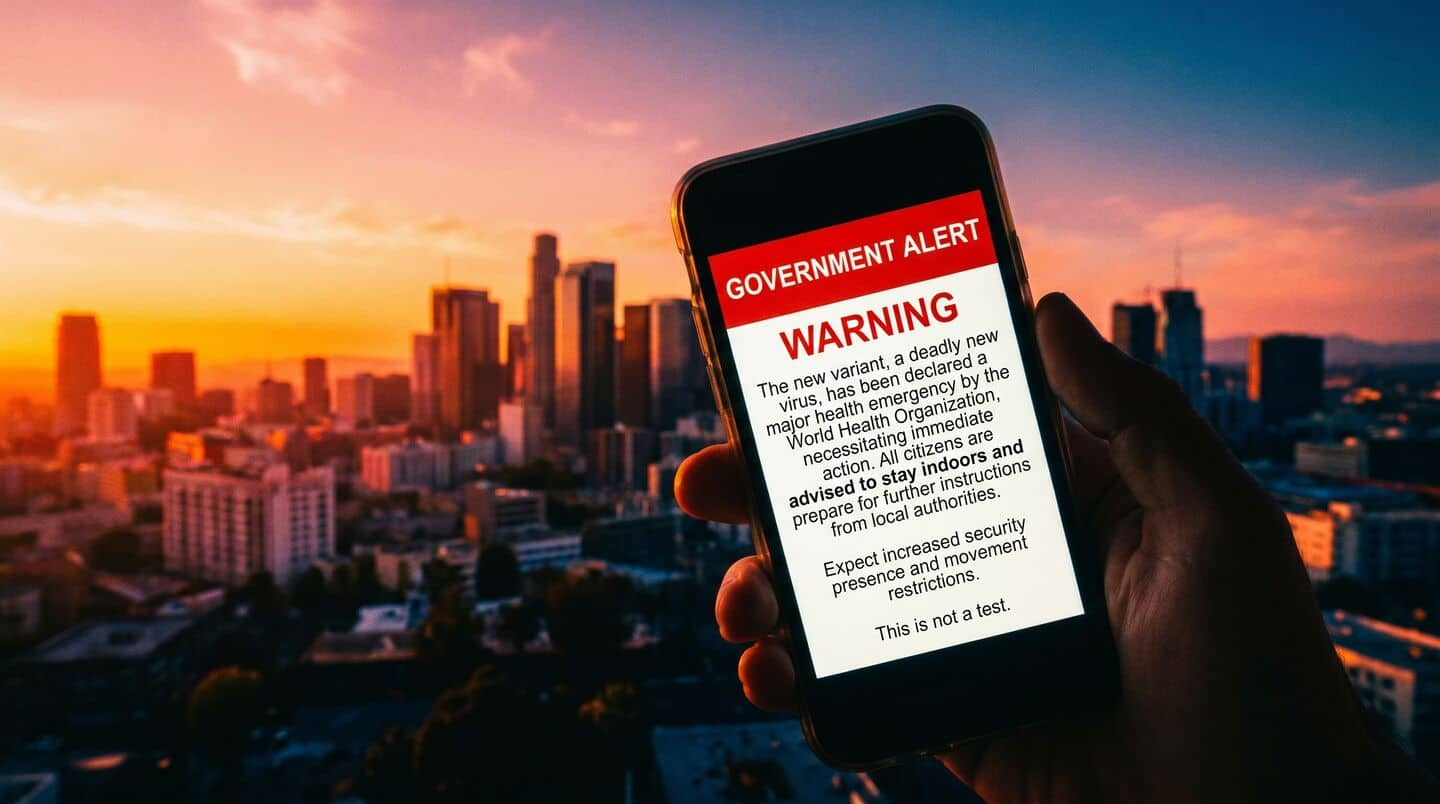
The best alert experience gives users control over what they receive and how frequently they receive it. Readers should be able to distinguish between high-priority updates and routine information. This prevents every small development from being treated as an emergency and helps preserve the value of notifications.
Balancing Speed With Accuracy
Fast information is useful only when it is reliable. The pressure to publish or distribute updates quickly can create risks when information has not been properly reviewed. Readers therefore need to consider both speed and credibility when consuming breaking developments.
Modern news platforms face the challenge of communicating quickly without sacrificing accuracy. A responsible approach involves distinguishing confirmed information from early reports, updating stories when new facts become available, and providing sufficient context for readers to understand uncertainty.
For users of newsgiga com, the broader lesson is that timely access should not mean accepting every notification without consideration. Readers benefit most when fast updates are combined with responsible information practices and clear explanations.
How Newsletters Support Different Types of Readers
One reason newsletters remain useful is their flexibility. They can serve people with completely different information needs while using the same basic delivery concept. A professional may use a newsletter to follow industry trends, while a casual reader may use one to stay informed about science, entertainment, technology, or current events.
Students can use newsletters to discover developments related to their studies and build a regular reading habit. Professionals can use them to monitor trends that may influence their careers or industries. Entrepreneurs can follow changing consumer behavior and business developments. Even general readers can benefit from receiving a manageable summary of important developments rather than constantly checking multiple information sources.
The usefulness of newsgiga com can therefore be considered within this wider trend toward flexible information consumption. Instead of treating every reader as part of one large audience, modern digital publishing increasingly recognizes that people want different combinations of subjects, frequency, and depth.
Newsletter and Alert Formats Compared
Different information delivery formats serve different purposes. A periodic newsletter is usually better for summaries and context, while an immediate alert is more appropriate when timing is especially important. Understanding this difference helps readers choose an information routine that does not become overwhelming.
| Format | Best For | Main Advantage | Potential Challenge |
|---|---|---|---|
| Daily newsletter | Regular news summaries | Convenient overview | May contain stories with limited personal relevance |
| Weekly newsletter | Trends and analysis | More context and reflection | Less suitable for breaking developments |
| Breaking alert | Urgent developments | Very fast awareness | Can become distracting |
| Topic update | Specific interests | Highly relevant information | May create a narrow information diet |
| Digest | Multiple developments | Saves research time | Important details may be condensed |
A balanced approach may involve combining formats rather than relying on one exclusively. Someone who wants broad awareness could receive a daily digest while enabling alerts only for subjects where immediate information matters. This creates a more controlled information environment.
Reducing Information Overload Through Better Curation
Information overload is not simply caused by the number of available articles. It can also result from repetitive headlines, duplicated stories, constant notifications, and content that has little relevance to the reader. Effective curation can reduce these problems by focusing attention on developments that provide genuine value.
Curation becomes especially important as digital publishing continues to expand. Readers may encounter several versions of the same story across different platforms, each offering slightly different wording but limited additional information. A useful newsletter can help by grouping related developments and emphasizing what has actually changed.
Newsgiga com fits naturally into this broader concept of organized information consumption. The objective is not necessarily to deliver the largest possible number of updates. Instead, the goal should be to help readers develop a reliable way of staying informed without allowing information to dominate their attention.
Building a Smarter Daily Information Routine
A good information routine should fit naturally into a person’s existing schedule. Checking a newsletter during breakfast, reviewing a daily digest during a commute, or receiving carefully selected alerts during working hours can be more sustainable than repeatedly refreshing news feeds throughout the day.
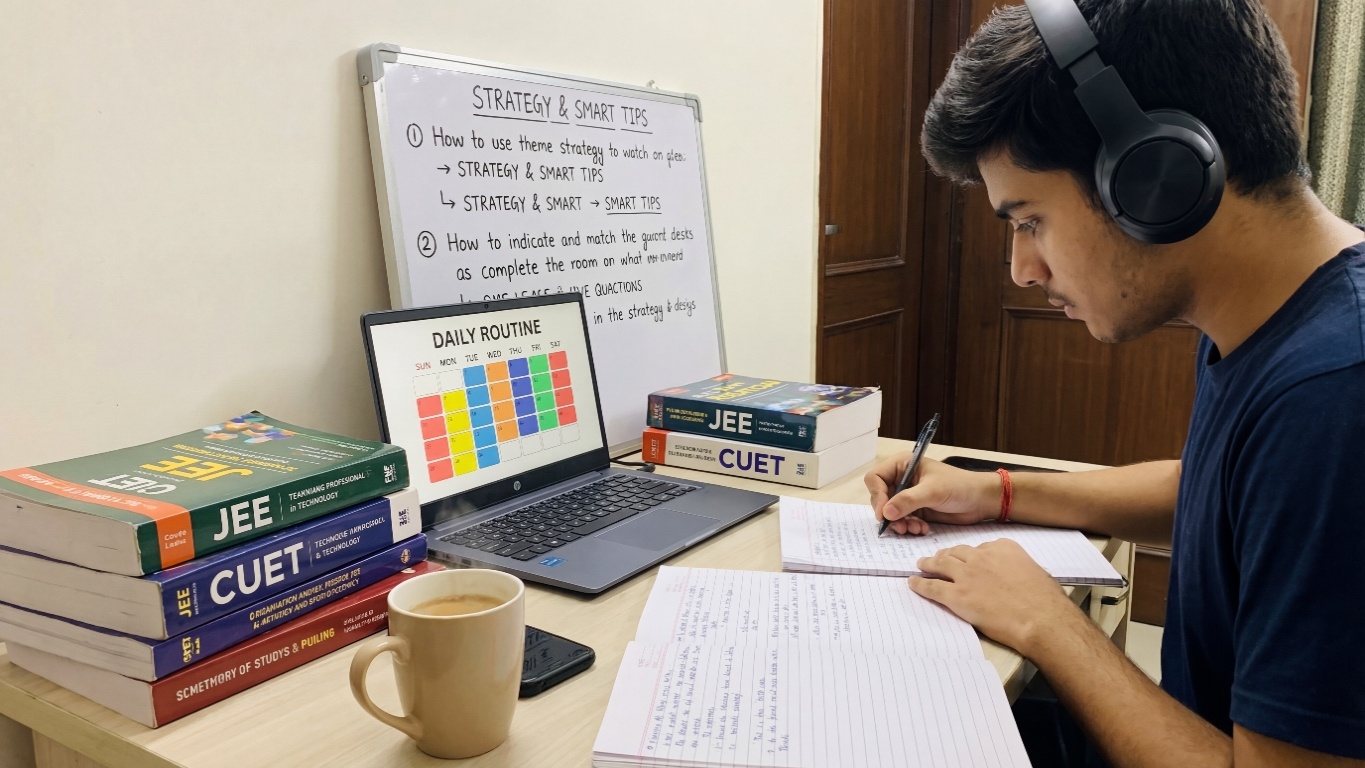
Readers can improve their routines by identifying the subjects that genuinely require regular monitoring. They can then decide which topics deserve frequent alerts and which can be reviewed through periodic summaries. This small amount of organization can make information consumption more intentional.
A useful routine may include:
- Selecting only the topics that have genuine personal or professional value.
- Choosing different frequencies for routine updates and urgent developments.
- Reviewing notifications regularly and removing unnecessary ones.
- Taking time to read context instead of relying only on headlines.
The principle behind newsgiga com is especially relevant here because timely information becomes more useful when it fits into the reader’s daily habits. Technology should reduce the effort required to stay informed rather than create another source of constant distraction.
The Future of Personalized News Delivery
The future of digital news delivery is likely to become increasingly personalized. Artificial intelligence, recommendation systems, natural language processing, and improved content classification can help platforms understand what types of information readers find useful. Instead of presenting identical collections of stories to everyone, digital services can potentially create more relevant experiences based on topics, reading behavior, and user preferences.
However, personalization also creates important challenges. If readers receive only information that matches their existing interests, they may encounter fewer alternative perspectives or unexpected topics. A strong information platform should therefore combine relevance with diversity. Readers should have control over their preferences while still having opportunities to discover information outside their normal habits.
The development of newsgiga com can be viewed against this changing digital environment, where the focus is moving from simply publishing information toward delivering useful information in a more organized and timely manner. The most successful platforms will likely be those that combine convenience, personalization, accuracy, and responsible curation.
Why Readers Should Control Their Notifications
Notification management is an often-overlooked part of the modern reading experience. When every development produces an alert, important notifications can become mixed with minor updates. Over time, users may start ignoring notifications altogether, reducing the effectiveness of the system.
Readers should therefore treat notifications as a resource that needs to be managed. High-priority subjects can receive immediate alerts, while less urgent topics can be grouped into daily or weekly newsletters. This approach preserves attention and makes notifications meaningful.
For anyone using newsgiga com or a similar digital information service, the most useful experience will come from finding the right balance between staying informed and protecting personal attention. Timeliness matters, but so does concentration.
Conclusion
Newsletters and alerts have become important tools for people who want timely information without constantly searching through large quantities of digital content. They provide different approaches to staying informed: newsletters can organize stories into convenient summaries, while alerts can deliver significant developments when timing matters most. Together, they can create a more efficient and personalized information experience. The real value of modern news delivery is not measured by how many notifications or articles a reader receives. It is measured by whether the information is relevant, understandable, trustworthy, and delivered at an appropriate time. Platforms and services such as newsgiga com represent the broader shift toward information experiences designed around reader needs rather than simply increasing content volume.