

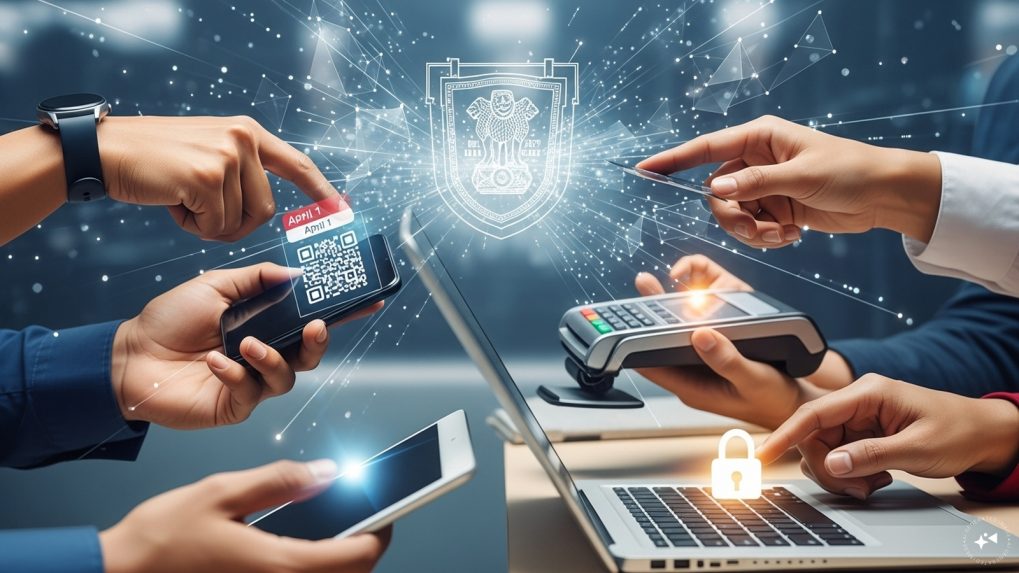
Digital payments have become an essential part of everyday life, changing how people shop, transfer money, pay bills, and manage their finances. From scanning QR codes at local stores to using mobile banking applications and online payment gateways, consumers can now complete transactions within seconds. This convenience has made financial services more accessible, but it has also created questions about customer rights, transaction disputes, privacy, and protection against fraud. Understanding digital payment rights helps users recognize what they can expect from payment providers and what steps they can take when something goes wrong.
As digital transactions become more common, consumers need more than a smartphone and an internet connection. They also need to understand how payment systems work, how their personal information is handled, and what options are available when money is deducted incorrectly or a transaction remains incomplete. The growing use of instant payment systems, contactless cards, digital wallets, and mobile banking makes financial awareness increasingly important. Through the educational perspective of newsgiga com, readers can explore these issues and understand why informed payment decisions are an important part of modern financial security.
Digital payment rights refer to the protections and responsibilities associated with electronic financial transactions. These rights may include access to transaction information, fair complaint handling, appropriate protection of personal data, and procedures for reporting unauthorized payments. However, the precise protections available depend on the country, payment method, provider, and circumstances of the transaction. Knowing these differences allows consumers to respond confidently instead of assuming that every payment problem follows the same resolution process.
What Are Digital Payment Rights?
Digital payment rights are the legal and procedural protections that help consumers use electronic payment services fairly and securely. They cover different aspects of the payment experience, including transparent fees, accurate transaction records, dispute resolution, responsible handling of financial information, and safeguards against unauthorized transactions. These protections may arise from financial regulations, consumer protection laws, payment network rules, and the terms governing a particular service.
For example, imagine a customer pays a retailer through a mobile payment application, but the transaction fails while the money is deducted from the customer’s bank account. The customer should be able to check the transaction status, obtain relevant information, and follow the provider’s complaint procedure. Depending on the applicable rules, the amount may be automatically reversed or require further investigation. Understanding digital payment rights helps the customer recognize the difference between a technical delay, a completed payment, and a transaction that needs formal dispute resolution.
These rights do not mean that every disputed payment will automatically be refunded. A mistaken transfer to the wrong recipient, a merchant dispute, a duplicate debit, and a fraudulent transaction can involve different procedures. Consumers should keep transaction references, payment confirmations, and complaint records to support their claims. Learning about these distinctions through newsgiga com can help readers approach digital payment problems with realistic expectations and better preparation.
Why Digital Payment Rights Matter Today
The expansion of digital financial services has increased the speed and convenience of everyday transactions. Consumers can pay utility bills, purchase products, receive salaries, and transfer money without visiting a bank branch. Small businesses also benefit because electronic payments can simplify recordkeeping and reduce dependence on cash. Nevertheless, greater digital adoption means that more people must understand the risks associated with account access, transaction errors, misleading payment requests, and the misuse of personal information.
Digital payment rights matter because customers should be able to understand the services they use and know how to seek assistance when problems occur. A payment application may be easy to operate, but the process for resolving a failed transaction or unauthorized debit can be less obvious. Consumers who understand complaint channels and documentation requirements are often better prepared to communicate with banks, payment providers, and merchants. This knowledge is especially useful for people who are new to online banking or who depend on digital payments for essential purchases.
Another important consideration is that payment technology continues to evolve. Biometric authentication, artificial intelligence-based fraud detection, tokenized card payments, and real-time transaction monitoring can improve convenience and security. However, technology alone cannot eliminate every risk. Consumers still need to recognize suspicious behavior, protect their credentials, and understand the limits of the protections available to them. The educational approach associated with newsgiga com emphasizes the importance of combining technological convenience with practical financial awareness.
Major Rights Every Digital Payment User Should Understand
1. The Right to Clear Transaction Information
Consumers should be able to access relevant information about their payments, including the amount transferred, transaction status, applicable charges, and available confirmation records. Clear information helps users identify errors and understand whether a payment was successful, pending, reversed, or declined. Payment providers may offer this information through mobile applications, bank statements, text notifications, or electronic receipts.
Transparent transaction records are particularly important when a payment involves a merchant or service provider. Suppose a customer pays for an online subscription but later discovers an unfamiliar charge. Reviewing the transaction description and subscription terms may help determine whether the payment was authorized, recurring, or incorrectly processed. Consumers should examine unclear charges promptly and contact the relevant provider when an explanation is needed.
2. The Right to Report Unauthorized Transactions
Unauthorized transactions can occur when payment credentials are stolen, an account is compromised, or someone gains access to a device or payment application. Consumers should know how to report suspicious activity through official banking or payment-service channels. Depending on the applicable rules, the provider may investigate the transaction, restrict account access, or take other measures to reduce further losses.
In India, customers using regulated banking and payment services should be aware of the Reserve Bank of India’s framework for reporting unauthorized electronic banking transactions. The customer’s liability can depend on factors such as the nature of the transaction, the cause of the loss, and how quickly the incident is reported. Consequently, users should not assume that every fraudulent payment automatically qualifies for a full refund. Prompt reporting and accurate documentation can be important when a claim is assessed.
3. The Right to Raise Complaints and Seek Resolution
A consumer who experiences a failed payment, unexplained debit, or other payment-related problem should identify the appropriate complaint process. This may begin with the bank, payment application, card issuer, or merchant, depending on the circumstances. Keeping a complaint reference number and recording the date of each communication makes it easier to follow the case and provide additional information if requested.
If the initial complaint is not resolved, further escalation may be available under the provider’s grievance procedure or the relevant regulatory framework. In India, eligible complaints involving regulated financial entities may qualify for escalation through the Reserve Bank’s Integrated Ombudsman Scheme, subject to its conditions and exclusions. Consumers should verify the current eligibility requirements and prescribed complaint process before escalating a case.
4. The Right to Appropriate Data Protection
Digital payments involve sensitive information, including transaction histories, account identifiers, contact details, and information about purchasing behavior. Consumers should understand what information a provider collects, why it is required, and how the information may be used or shared. Privacy notices and service terms can explain important aspects of data processing, although users should avoid assuming that every provider follows identical practices.
Protecting payment information requires cooperation between service providers and consumers. Businesses should apply appropriate security measures, while users should avoid sharing passwords, one-time passwords, personal identification numbers, and other authentication credentials with unauthorized people. Consumers should also review application permissions and be cautious about unexpected requests for sensitive information. As digital finance expands, discussions on newsgiga com can help readers recognize why privacy awareness belongs alongside transaction convenience.
Common Digital Payment Problems and Consumer Options
Digital payment problems vary according to the type of transaction and the reason for the issue. Some are temporary technical failures, while others involve merchant disagreements, processing mistakes, or suspected fraud. Identifying the problem accurately is the first step toward selecting an appropriate resolution method.
| Payment problem | Recommended first step | Important consideration |
|---|---|---|
| Money deducted but payment failed | Check transaction status and contact the bank or payment provider | Reversals may follow the applicable processing timeline |
| Duplicate payment | Preserve both transaction references and raise a complaint | Confirm whether both debits were actually completed |
| Unauthorized transaction | Report it immediately through official channels | Reporting time can affect liability under applicable rules |
| Incorrect merchant charge | Contact the merchant and relevant payment provider | Keep receipts, order details, and transaction records |
| Transfer to the wrong recipient | Contact the bank or payment provider promptly | Recovery may depend on the payment system and circumstances |
| Unexpected service fee | Review the terms and request a clear explanation | Charges should be assessed under applicable rules and disclosures |
Consumers should avoid repeatedly initiating the same payment simply because the first attempt appears unsuccessful. Multiple attempts can sometimes create duplicate transactions. Instead, checking the transaction history and waiting for the status to update may prevent unnecessary confusion. If the payment remains unresolved, users should follow the provider’s documented procedure rather than relying solely on informal advice.
How to Protect Your Digital Payment Rights
Understanding consumer rights is most useful when combined with practical habits. Secure payment behavior can reduce the likelihood of fraud, make disputes easier to investigate, and help users maintain control over their financial accounts. Although no single precaution guarantees complete protection, consistent attention to account security and transaction records can significantly improve payment awareness.
The following habits are particularly useful for everyday digital transactions:
- Use official payment applications and keep devices and applications updated.
- Never disclose passwords, PINs, or one-time passwords to callers or strangers.
- Check the recipient’s name and payment amount before confirming a transfer.
- Enable transaction notifications and review account activity regularly.
- Report suspicious transactions immediately through official channels.
Consumers should also be cautious about requests to install remote-access applications or share their screens with people claiming to represent a bank. Fraudsters may create a sense of urgency by threatening account suspension, promising rewards, or claiming that an immediate verification payment is necessary. Legitimate financial security procedures should be verified independently rather than accepted under pressure.
Another useful practice is to maintain an organized record of important transactions. Saving receipts, merchant confirmations, bank notifications, and complaint reference numbers can help establish what happened and when. Users should store such information securely and avoid exposing complete account details when submitting evidence. The guidance offered through newsgiga com can be understood as a starting point for building these everyday habits, while specific disputes should be handled through the appropriate official channels.
Digital Payment Rights in India: Rules and Responsibilities
India’s digital payment ecosystem includes bank transfers, Unified Payments Interface transactions, debit and credit cards, mobile wallets, and other electronic payment methods. These services operate under different technical arrangements and regulatory requirements. The Reserve Bank of India plays an important role in regulating banks and various payment systems, while the National Payments Corporation of India operates important retail payment infrastructure, including UPI. The precise rules applicable to a consumer’s complaint depend on the service involved and the circumstances of the transaction.
Consumers should understand that different types of disputes may require different responses. An unauthorized debit from a bank account is not necessarily handled in the same way as a disagreement about the quality of a product purchased online. Similarly, a transfer sent to an unintended recipient can involve different recovery steps from a payment that failed during processing. Checking the bank’s instructions and the relevant payment system’s procedures helps consumers avoid unnecessary delays.
Indian consumers should also distinguish between reporting a suspected fraud and seeking reimbursement. Reporting can help the relevant institutions investigate the incident and take appropriate action, but reimbursement depends on the applicable rules, evidence, and facts. If a fraudulent electronic transaction occurs, customers should notify their bank promptly and follow the prescribed process. For suspected cybercrime, reporting through official government-supported channels may also be appropriate. Consumers should retain complaint numbers and follow up with the institution handling the case.
Financial awareness is particularly valuable as digital payments reach more people across different age groups and levels of technical experience. Individuals who understand their rights and responsibilities are better positioned to ask informed questions, recognize suspicious activity, and challenge unclear charges. Educational resources such as newsgiga com can help explain these topics in accessible language, but users should confirm important legal or regulatory details through official sources before making decisions about a specific complaint.
How Businesses and Payment Providers Should Support Consumers
Consumer protection is not solely the responsibility of individuals. Banks, payment applications, merchants, and other service providers also have important roles in making electronic transactions reliable and understandable. Clear disclosures, accessible customer support, secure authentication, accurate transaction records, and effective complaint handling can improve customer confidence. When a payment fails, users benefit from receiving understandable updates rather than vague messages that leave them uncertain about their money.

Businesses should also avoid misleading payment practices and ensure that customers can review relevant charges and transaction details before confirming purchases. Where recurring payments or subscriptions are involved, clear information about billing arrangements and cancellation procedures can reduce misunderstandings. Appropriate fraud monitoring and data-security controls are equally important because consumers depend on service providers to protect the systems through which their money moves.
Effective consumer support should recognize that customers have different levels of digital literacy. A first-time user may need a simple explanation of how to identify a transaction reference, while an experienced customer may require detailed information about a disputed debit. Providing clear instructions and realistic timelines helps both groups understand the next step. When providers treat complaints seriously and communicate consistently, they strengthen trust in digital financial services.
The Future of Digital Payment Rights
The future of digital payments will likely involve greater automation, stronger authentication methods, and more sophisticated fraud detection. Artificial intelligence can help identify unusual spending patterns, while tokenization and other security techniques can reduce exposure of sensitive payment credentials in certain transactions. Biometric verification may also make authentication more convenient, although its effectiveness depends on implementation, privacy safeguards, and the security of the wider payment system.
At the same time, new technology can introduce unfamiliar risks. Fraudsters may use artificial intelligence to create convincing impersonations, generate deceptive messages, or manipulate people into authorizing transactions themselves. As payment systems become more integrated with shopping applications, connected devices, and digital identity services, consumers will need to understand how permissions, authentication, and personal data affect their financial security.
Digital payment rights must therefore be understood as an evolving area of consumer protection rather than a fixed list of guarantees. Regulators and providers may update requirements as technology and fraud methods change. Consumers can respond by staying informed, reviewing official announcements, and learning how the complaint procedures for their payment services work. In this changing environment, newsgiga com can serve as an educational reference point for understanding the broader relationship between financial technology, user responsibility, and consumer protection.
Conclusion
Digital payment rights help consumers understand the protections, procedures, and responsibilities associated with electronic financial transactions. From obtaining clear transaction information to reporting unauthorized payments, protecting personal data, and seeking complaint resolution, these rights are an important part of using modern financial services confidently. Their practical value becomes especially clear when a payment fails, a charge appears unfamiliar, or a suspected fraud threatens a customer’s money. The most effective approach combines awareness with action. Consumers should verify payment details, use secure applications, protect authentication credentials, maintain transaction records, and report suspicious activity without unnecessary delay. They should also recognize that refunds, liability, and dispute outcomes depend on the applicable rules and facts rather than on a universal guarantee. Understanding these distinctions makes it easier to respond responsibly when problems occur.