


Hairstyles are constantly evolving, combining classic influences with contemporary techniques to create fresh and distinctive looks. One haircut that has gained considerable attention in modern grooming is the modern mullet fade. It brings together the recognizable shape of a traditional mullet and the clean appearance of a fade, creating a hairstyle that feels fashionable without losing its original character. Its defining feature is the contrast between shorter, carefully blended sides and longer hair at the back, allowing individuals to experiment with different lengths, textures, and finishes.
What makes this haircut particularly interesting is its flexibility. It can appear subtle and professional or bold and expressive, depending on how the sides, top, and back are shaped. People with straight, wavy, or curly hair can explore different variations according to their natural texture. Whether someone wants a noticeable transformation or a manageable everyday hairstyle, this haircut offers several possibilities. Understanding its structure, popular variations, styling requirements, and maintenance needs can make choosing the right version much easier.
Understanding the Modern Mullet Fade Haircut
The modern mullet fade is a contemporary interpretation of a hairstyle that has existed for decades. The traditional mullet is commonly recognized by its shorter front and sides combined with longer hair at the back. Modern barbering techniques have introduced gradual fading around the temples, sides, and neckline, giving the overall haircut a cleaner and more structured appearance.
Unlike older interpretations, contemporary versions do not necessarily rely on dramatic differences in hair length. Some feature a relatively short back with a textured top, while others maintain considerable length behind the head. The fade creates a smooth transition between the shorter sides and longer sections, helping the hairstyle look balanced rather than disconnected. This combination makes it suitable for people who appreciate unconventional hairstyles but still want a polished appearance.
Another important characteristic is personalization. A barber can adjust the fade height, top length, neckline, and back shape according to an individual’s facial structure and preferences. This means the haircut does not have to follow one fixed pattern. Instead, it offers a foundation that can be adapted to different lifestyles and personal styles.
Why This Hairstyle Is Becoming Popular
One reason behind the growing interest in this haircut is the changing attitude toward men’s grooming. Modern hairstyles increasingly focus on individuality, natural texture, and personal expression. People are becoming more comfortable experimenting with different silhouettes instead of choosing conventional short haircuts. The combination of a clean fade and a longer back provides an interesting balance between traditional grooming and contemporary fashion.
Social media, celebrity-inspired grooming, and professional barbering content have also helped introduce different mullet variations to wider audiences. Photographs and short styling videos allow people to discover new combinations of fades, textured tops, curls, and layered backs. As a result, customers can communicate their preferences more clearly when visiting a barber.
Versatility is another important reason for its popularity. Someone can choose a conservative version with a low fade and moderate back length, while another person may prefer a high skin fade with a more noticeable contrast. Both approaches belong to the same general hairstyle category but create very different impressions.
Popular Variations Worth Exploring
Low Fade Mullet
A low fade creates a gradual transition near the lower sides of the head and around the neckline. It is an excellent option for individuals who want to experiment with the mullet shape without making the sides look extremely short. Because the fade begins relatively low, more hair remains around the upper sides, producing a softer and more balanced appearance.
This variation works particularly well with textured tops and moderately long backs. It can complement casual clothing while remaining appropriate for many everyday environments. People who are trying this hairstyle for the first time may find a low fade easier to manage because the contrast between different sections is less dramatic.
Mid Fade Mullet
A mid fade offers a noticeable balance between subtlety and contrast. The fading begins around the middle portion of the sides, creating a cleaner outline while leaving enough length near the upper sections to connect with the hairstyle’s overall shape.
This variation is suitable for individuals who want their haircut to look modern and defined. It works with straight, wavy, and curly textures, although the final appearance depends on how the barber blends the different sections. Adding texture to the top can make the hairstyle look fuller and more dynamic.
High Fade Mullet
A high fade creates a stronger contrast by removing more hair from the upper sides. It produces a sharper appearance and makes the longer sections at the top and back stand out. People who prefer expressive hairstyles often choose this variation because it creates a more noticeable silhouette.
However, a high fade requires careful blending. If the transition is too harsh or the back is not shaped properly, the hairstyle may appear unbalanced. Discussing the desired fade height and back length with an experienced barber is therefore important.
Curly Mullet Fade
Natural curls can add considerable volume and personality to this haircut. The faded sides create a clean outline, while the curls on top and at the back provide movement and texture. Depending on curl size and hair density, the barber may leave additional length to preserve the natural shape.
Moisturizing products and curl-defining creams can help maintain the appearance without making the hair feel excessively stiff. This variation is especially useful for individuals who want to work with their natural texture instead of spending considerable time straightening or reshaping their hair.
Textured Mullet Fade
A textured version focuses on creating movement through different hair lengths and carefully shaped layers. Rather than keeping the top completely uniform, the barber uses texturizing techniques to create separation and a slightly relaxed finish.
This approach works well for people with straight or wavy hair that sometimes appears flat. Lightweight styling products can emphasize individual sections while maintaining a natural appearance. The result is a haircut that looks contemporary without requiring an overly complicated daily routine.
Important Features That Define the Haircut
Several details determine whether this hairstyle looks balanced and professionally finished. Although the fade and longer back receive most of the attention, the relationship between all sections is equally important. A well-designed haircut considers hair density, natural growth direction, head shape, and the amount of volume around the crown.
The top section should connect naturally with the sides and back. If the top is too short, the longer back may appear disconnected. Similarly, if the back is excessively heavy, it can make the entire haircut look uneven. Proper layering helps distribute volume and creates a smoother overall silhouette.
The neckline also contributes to the final appearance. Some people prefer a natural tapered neckline, while others choose a more defined outline. The correct choice depends on the desired finish and how quickly the hair grows around the neck.
Choosing the Right Variation for Your Face Shape
Selecting an appropriate hairstyle involves more than following a popular trend. Facial proportions can influence how different lengths and shapes appear. Understanding these differences helps individuals communicate more effectively with their barbers.
| Face shape | Suggested variation | Styling recommendation |
|---|---|---|
| Round | Mid or high fade | Add height and texture on top |
| Oval | Low or mid fade | Experiment with different lengths |
| Square | Low fade with layers | Soften the overall appearance |
| Long | Low fade with moderate top length | Avoid excessive height |
| Heart-shaped | Textured top with balanced back | Maintain proportion around the sides |
These suggestions are general guidelines rather than strict rules. Hair thickness, personal preferences, and natural growth patterns can influence the final result. A professional barber can evaluate these factors and recommend adjustments that create a more flattering shape.
How to Ask Your Barber for the Desired Look
Explaining a hairstyle accurately can prevent misunderstandings during a haircut. Simply mentioning a mullet may not provide enough information because different barbers may interpret the term differently. It is better to explain the desired fade, top length, back length, and overall level of contrast.
Before the appointment, consider how noticeable you want the haircut to be. Someone who prefers a subtle appearance can request a low fade with a shorter, layered back. Someone looking for a stronger style can ask for a higher fade and more length behind the head.
It is also useful to discuss how much maintenance you are comfortable with. A heavily textured style may need regular shaping and styling, while a simpler version can be easier to manage.
Consider discussing these four details during your appointment:
- The preferred fade height, whether low, mid, or high.
- The amount of length you want to retain at the back.
- The desired texture and volume on top.
- The neckline shape and overall finishing technique.
Providing clear instructions and allowing the barber to suggest suitable adjustments can help produce a result that matches your expectations.
Styling Techniques for an Attractive Everyday Appearance
Styling plays an important role in maintaining the character of this haircut. The objective is generally to enhance the natural movement of the hair without making it appear excessively stiff or artificial. The right technique depends on whether the hair is straight, wavy, or curly.
For straight hair, a lightweight texturizing product can create separation and prevent the top from appearing flat. A small amount of matte clay or styling paste can provide definition while maintaining a natural finish. Applying too much product may weigh down the hair and reduce its movement.
Wavy hair often benefits from products that enhance its natural pattern. A lightweight cream can help control frizz while preserving texture. People with curly hair may prefer curl creams or leave-in conditioners that provide moisture and definition.
A simple styling routine can include washing with a suitable shampoo, applying conditioner, gently towel-drying, and using a styling product appropriate for the hair type. If a blow dryer is used, a moderate heat setting can help shape the hair without unnecessary exposure to high temperatures.
Maintenance and Hair Care Requirements
A good haircut requires regular attention to retain its original shape. The faded sections generally become less defined as the hair grows, making periodic barber appointments important. The frequency depends on the fade length, individual hair growth, and how precise someone wants the sides to remain.
People who prefer a sharp skin fade may need more frequent touch-ups than those choosing a low or longer fade. The back also requires occasional trimming to prevent uneven growth and maintain a balanced silhouette. However, trimming should not remove too much length if the longer back is an important part of the desired style.
Hair care at home is equally important. Regular washing helps remove excess oil, dirt, and product buildup. Conditioner can improve softness and make longer sections easier to manage. Individuals with dry or curly hair may benefit from additional moisturizing treatments.
A practical maintenance routine includes:
- Schedule regular barber visits to maintain the fade.
- Use shampoo and conditioner suited to your hair type.
- Avoid excessive heat when drying or styling.
- Trim damaged ends while preserving the desired back length.
Maintaining healthy hair can improve the overall appearance of the haircut and make daily styling more manageable.
Is This Haircut Suitable for Professional Environments?
Workplace grooming expectations differ between industries, companies, and individual professional environments. A dramatic haircut may be welcomed in creative industries but may attract more attention in workplaces with traditional appearance standards. Fortunately, this hairstyle can be adjusted to create a more understated finish.
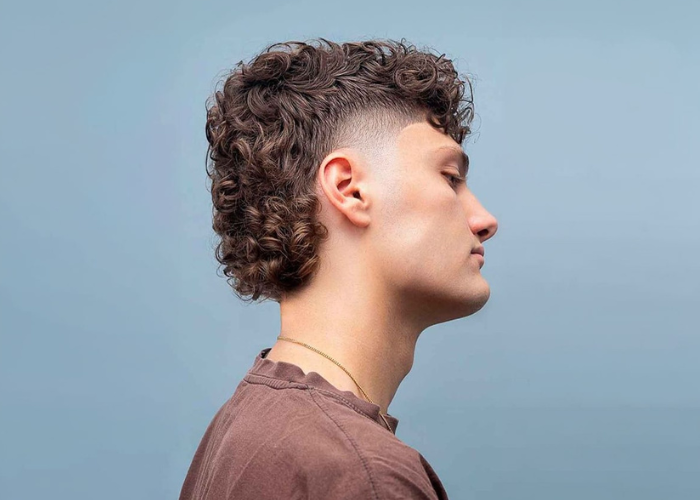
A low fade, controlled top, and moderately trimmed back can produce a cleaner appearance. Avoiding excessively sharp contrasts or very long sections may also help create a balanced look. The goal is to retain the hairstyle’s distinctive character while considering the expectations of the environment.
For individuals who want flexibility, choosing a moderate variation is often a practical starting point. It can be styled neatly for formal occasions and given additional texture for casual settings. Ultimately, the best choice depends on personal comfort and workplace guidelines.
Common Mistakes to Avoid
Although this haircut offers plenty of creative freedom, certain mistakes can affect the final appearance. One common issue is choosing a fade that does not complement the length at the back. A very high fade combined with an excessively heavy back can create an unbalanced shape if the transition is not carefully designed.
Another mistake is selecting a style without considering natural hair texture. For example, someone with thick, curly hair may need additional layering to control volume, while someone with fine hair may benefit from techniques that create the appearance of fullness.
Using excessive styling products can also reduce the natural movement that makes this haircut attractive. Instead of applying several products, it is usually better to select one or two suitable options and use them in moderate amounts.
Finally, neglecting maintenance can make even a well-executed haircut lose its structure. Regular trimming, appropriate hair care, and clear communication with the barber help preserve the intended appearance.
Conclusion
The modern mullet fade represents an interesting combination of traditional hairstyle elements and contemporary barbering techniques. Its distinctive shape, gradual fading, and adaptable length make it an appealing option for individuals who want something different from conventional short haircuts. With variations such as low fades, mid fades, high fades, curly finishes, and textured tops, there are several ways to personalize the overall appearance.
Choosing the right version requires considering facial proportions, natural hair texture, personal preferences, and maintenance requirements. Working with an experienced barber can make it easier to find a balanced design that complements individual features. With appropriate styling products and consistent hair care, this haircut can remain attractive, comfortable, and versatile for everyday use. More importantly, it allows people to express their personality while enjoying a hairstyle that combines creativity with a clean, contemporary finish.