


Men’s hairstyles continue to evolve as traditional cuts meet modern fashion trends. Some hairstyles become popular because they offer a completely different appearance, while others stand out because they successfully combine classic elements with contemporary styling. The low taper mullet is an excellent example of this combination. It brings together the recognizable shape of a traditional mullet and the clean, gradual finish of a low taper fade, creating a hairstyle that looks fashionable without appearing overly complicated.
The appeal of this haircut comes from its balance. The sides and area around the ears are gradually shortened, while the hair at the back remains noticeably longer. The top can be styled in several ways, depending on personal preference, hair texture, and face shape. Whether someone prefers a textured, messy appearance or a neat and controlled finish, this haircut offers plenty of flexibility. It can work for casual everyday outfits, streetwear-inspired fashion, and even more polished personal styles.
Understanding the Low Taper Mullet Haircut
A low taper mullet combines two different haircut techniques to create a distinctive overall shape. The low taper focuses on gradually reducing hair length around the sideburns, temples, and neckline. Unlike a high fade, which removes considerable hair from the upper sides, a low taper keeps the transition closer to the natural hairline. This creates a softer appearance while maintaining enough length around the sides to complement the longer back.
The mullet element introduces contrast between the front, sides, and back. The top usually has enough length to create volume or texture, while the back extends beyond the neckline. The difference between these sections gives the haircut its recognizable profile. However, modern versions generally avoid the extremely dramatic proportions associated with older mullet styles. Instead, they focus on blending, movement, and natural-looking layers.
Another advantage is that the haircut can be customized without losing its original character. Someone with thick hair might prefer heavily textured layers, whereas someone with fine hair may benefit from a more controlled shape that creates the appearance of additional volume.
Why This Hairstyle Has Become Popular
Modern grooming trends increasingly focus on individuality and hairstyles that can be adjusted to different personalities. People are no longer limited to choosing between extremely short haircuts and traditional medium-length styles. Many prefer something that looks clean from the front while offering additional personality from the side and back.
This hairstyle fits that preference because it combines a professional-looking taper with the expressive shape of a mullet. The shorter sections keep the haircut looking organized, while the longer back adds a fashionable detail. It also photographs well from different angles, making it attractive to people who enjoy experimenting with their appearance.
Social media, celebrity-inspired grooming trends, barbershop creativity, and streetwear culture have also helped modern mullet variations receive attention. Younger men often choose textured versions, while adults may prefer softer transitions and more moderate back lengths.
Different Types of Low Taper Mullet Styles
One reason this haircut remains versatile is that it does not have a single fixed appearance. The length, texture, and finishing technique can change the overall result considerably. Choosing the right variation helps create a hairstyle that complements personal fashion preferences.
1. Classic Low Taper Mullet
The classic version maintains a noticeable difference between the shorter sides and longer back without making the contrast excessively dramatic. The top generally has moderate length, allowing the barber to create a smooth connection between the front and rear sections. The taper around the ears and neckline gives the haircut a neat finish.
This option works particularly well for people who want to experiment with a mullet without choosing an extreme design. It can be worn with natural texture, light styling cream, or a small amount of matte product. The overall appearance remains balanced and suitable for different everyday situations.
2. Textured Low Taper Mullet
A textured variation adds movement and dimension to the top. Instead of keeping the hair completely smooth, the barber uses layering techniques to create separated sections that provide a slightly messy appearance. This works especially well for people with naturally thick or wavy hair.
The textured finish makes the haircut look relaxed rather than overly structured. A matte clay or lightweight styling paste can help separate individual sections without making the hair appear greasy. It is an excellent option for someone who enjoys modern streetwear, casual outfits, and hairstyles with personality.
3. Curly Low Taper Mullet
Natural curls add a completely different dimension to this haircut. The low taper keeps the area around the ears and neckline controlled, while the curls provide volume across the top and back. This creates an attractive contrast between the shorter sides and the fuller upper sections.
People with curly hair should avoid removing too much length from the back because the natural curl pattern can make the finished hairstyle appear shorter than expected. A curl-enhancing cream or leave-in conditioner can help maintain definition while reducing unwanted frizz.
4. Wavy Low Taper Mullet
Wavy hair naturally creates movement, making it suitable for a relaxed mullet design. The waves can be allowed to fall naturally around the forehead and back, creating a soft and effortless appearance. A low taper adds structure without removing the natural character of the hair.
This variation is particularly useful for people who do not want to spend too much time styling their hair every morning. A lightweight mousse or sea salt spray can help emphasize the waves and maintain their natural shape.
5. Low Taper Mullet with Fringe
Adding a fringe changes the overall appearance by bringing more attention to the front of the haircut. The fringe can be short and textured, slightly longer, or styled toward the forehead. Meanwhile, the back maintains its mullet-inspired length.
This version can work particularly well for people who want a more youthful appearance. It also offers opportunities to balance different forehead proportions through the appropriate fringe length and direction.
How to Choose the Right Variation for Your Face Shape
Face shape plays an important role in determining how a haircut looks once it has been completed. Although there are no strict rules about which hairstyle someone can wear, understanding facial proportions can help create a more balanced appearance.

For oval faces, most variations work well because the proportions are naturally balanced. People with round faces may prefer additional height and texture on top, as this can create the impression of a slightly longer facial shape. A more controlled taper can also prevent unnecessary width around the sides.
Square faces often complement textured styles because the layers soften the appearance of strong jawlines. People with longer faces may prefer moderate volume on top rather than excessive height. A fuller fringe can also help balance facial proportions.
| Face Shape | Recommended Style | Styling Approach |
|---|---|---|
| Oval | Classic mullet | Natural texture |
| Round | Textured mullet | Additional top volume |
| Square | Wavy mullet | Soft layers |
| Long | Fringe mullet | Moderate top height |
| Heart | Curly mullet | Balanced side volume |
The most important consideration is personal comfort. Face shape recommendations should be treated as styling guidance rather than strict limitations.
What to Tell Your Barber Before Getting the Haircut
A good haircut starts with clear communication. Even experienced barbers may interpret hairstyle names differently, especially when a particular cut includes several techniques. Explaining the desired proportions helps avoid receiving a haircut that looks different from the original inspiration.
When requesting this style, explain that you want a low taper rather than a high or mid fade. The taper should begin close to the sideburns and gradually transition around the ears and neckline. Mention that you want to preserve the length at the back because this is an important part of the mullet shape.
You should also discuss how much length you want to keep on top. Some people prefer a short, textured finish, while others want enough hair to create volume or a swept-back appearance. Showing your barber a reference photograph from the front, side, and back can make the desired result easier to understand.
Consider discussing these details before the cutting process begins:
-
Keep the taper low and gradual around the ears.
-
Preserve enough length at the back to maintain the mullet shape.
-
Add texture to the top according to your hair type.
-
Blend the different sections without removing too much length.
These simple instructions can help your barber understand the overall design and customize the haircut according to your preferences.
Best Hair Types for This Modern Hairstyle
One of the strongest features of this haircut is its adaptability to different hair textures. Straight hair creates a cleaner and more defined silhouette, making it suitable for classic or minimalist variations. Barbers can introduce layers to prevent straight hair from appearing too flat.
Thick hair offers more opportunities for creating volume and texture. However, excessive bulk can make the back appear heavy, so strategic layering is important. Removing some weight from selected areas can improve movement while preserving the overall shape.
Wavy and curly hair naturally contribute texture, which can make the haircut appear fuller and more expressive. Instead of forcing these hair types into a completely straight finish, it is generally better to work with their natural patterns.
Fine hair can also work with this style, although the cutting technique becomes especially important. Keeping enough length on top and avoiding excessive thinning can help maintain the appearance of fullness. Lightweight styling products are usually more suitable than heavy creams or oils.
How to Style Your Hair for Different Occasions
Styling does not have to be complicated. The main objective is to maintain the natural shape while controlling unwanted frizz and keeping the different sections looking balanced.
For an everyday appearance, start with slightly damp hair and apply a small amount of lightweight styling cream. Use your fingers to arrange the top and allow the back to fall naturally. This creates a relaxed finish without making the haircut appear overly styled.
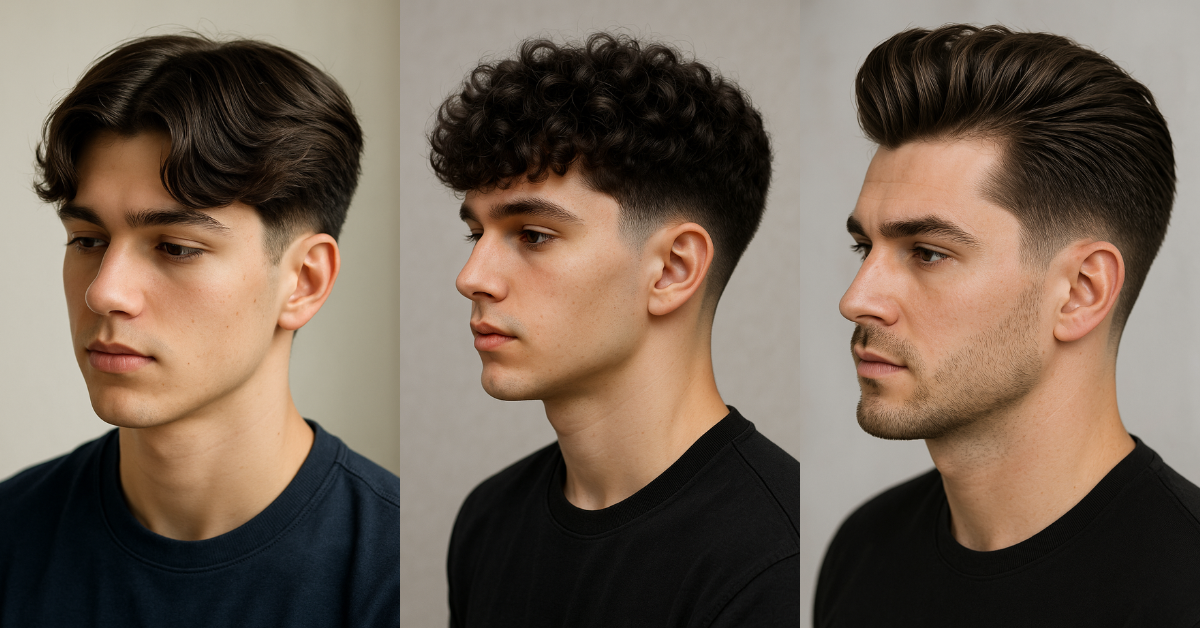
For a more defined appearance, use a blow dryer with moderate heat. Direct the airflow according to the direction in which you want the hair to sit. A round brush can help add volume to the front, while your fingers can be used to separate the layers at the back.
For evening events or more fashionable outfits, a matte clay can provide additional hold and definition. Apply a small amount between your palms before working it through the hair. Avoid using too much product because excessive buildup can make the hairstyle appear heavy.
Essential Maintenance Tips for a Clean Appearance
Although the longer back gives this hairstyle its personality, the tapered sections need regular attention. As the hair grows, the clean transition around the ears and neckline gradually becomes less defined. Scheduling regular barber appointments helps maintain the original proportions.
Most people benefit from refreshing the tapered areas every two to four weeks, depending on their hair growth rate and preferred level of sharpness. The longer top and back sections may need trimming less frequently. However, occasional shaping helps prevent uneven layers and maintains the intended silhouette.
Hair washing should also be adjusted according to individual hair type. Washing too frequently can remove natural oils, while insufficient cleansing may allow styling product to accumulate. A suitable shampoo and conditioner can help maintain softness and manageability.
Other useful habits include:
-
Use conditioner to maintain softness and reduce dryness.
-
Avoid excessive heat when blow-drying.
-
Apply styling products in moderate quantities.
-
Trim damaged ends when necessary to maintain healthy-looking layers.
Consistency is more important than using numerous grooming products. A simple routine can keep the haircut looking fresh without requiring excessive effort.
Common Mistakes to Avoid
One common mistake is choosing a taper that begins too high. A high fade changes the overall structure and can remove the subtle appearance that makes this haircut distinctive. If you specifically want a low taper, make sure your barber understands that the transition should remain close to the natural hairline.
Another mistake is cutting too much length from the back. The longer rear section is essential to maintaining the mullet shape. Removing excessive length can make the result look like an ordinary tapered haircut rather than a modern mullet variation.
Overusing styling products is another issue. Heavy gels and waxes can make the hair stiff, greasy, or difficult to manage. A natural finish usually looks better when the hair retains some movement.
Finally, choosing a haircut without considering your natural hair texture can lead to unnecessary styling difficulties. Discussing your hair’s growth pattern and thickness with your barber helps determine which variation will be easiest to maintain.
Is the Low Taper Mullet Suitable for Everyday Wear?
A hairstyle should look good in photographs, but it should also fit into everyday life. This haircut offers a useful balance between a clean appearance and a more expressive personal style. The tapered sections provide structure, while the longer back introduces a distinctive detail that makes the hairstyle stand out.
For students and young professionals, a moderate version can provide a fashionable appearance without looking excessively dramatic. People working in creative environments may prefer more noticeable texture, longer layers, or additional volume. Those who prefer understated grooming can choose a softer transition and shorter rear length.
Clothing choices can also influence how the haircut is perceived. Casual outfits, oversized shirts, denim jackets, and streetwear naturally complement textured versions. Meanwhile, cleaner clothing combinations can work well with a more controlled and neatly styled variation.
Ultimately, the best approach is to choose proportions that match your lifestyle rather than following every changing trend.
Conclusion
The low taper mullet represents a modern approach to men’s grooming by combining the traditional mullet silhouette with a clean and gradual taper. Its biggest advantage is flexibility, allowing people with different face shapes, hair textures, and fashion preferences to create a personalized appearance. From classic and curly variations to textured and wavy designs, there are plenty of ways to make this haircut feel distinctive.
Getting the right result depends on selecting suitable proportions, communicating clearly with your barber, and maintaining the haircut consistently. Regular trimming, appropriate styling products, and a simple grooming routine can help preserve its shape. Rather than treating it as a hairstyle reserved for a particular fashion trend, consider it a versatile option that can be adapted to everyday life while expressing individual style.

.jpg&description=Discover the low taper mullet, a modern hairstyle that combines clean tapered sides with longer back layers. Explore styles, maintenance tips, and styling ideas.)