


Hairstyles are constantly evolving, with classic cuts returning in refreshed forms that suit modern fashion and personal preferences. One hairstyle that has gained considerable attention is the mullet, particularly its updated version featuring clean fades, textured layers, and carefully shaped proportions. What was once considered a bold retro haircut has developed into a versatile grooming choice for people who want something distinctive without sacrificing a neat and fashionable appearance.
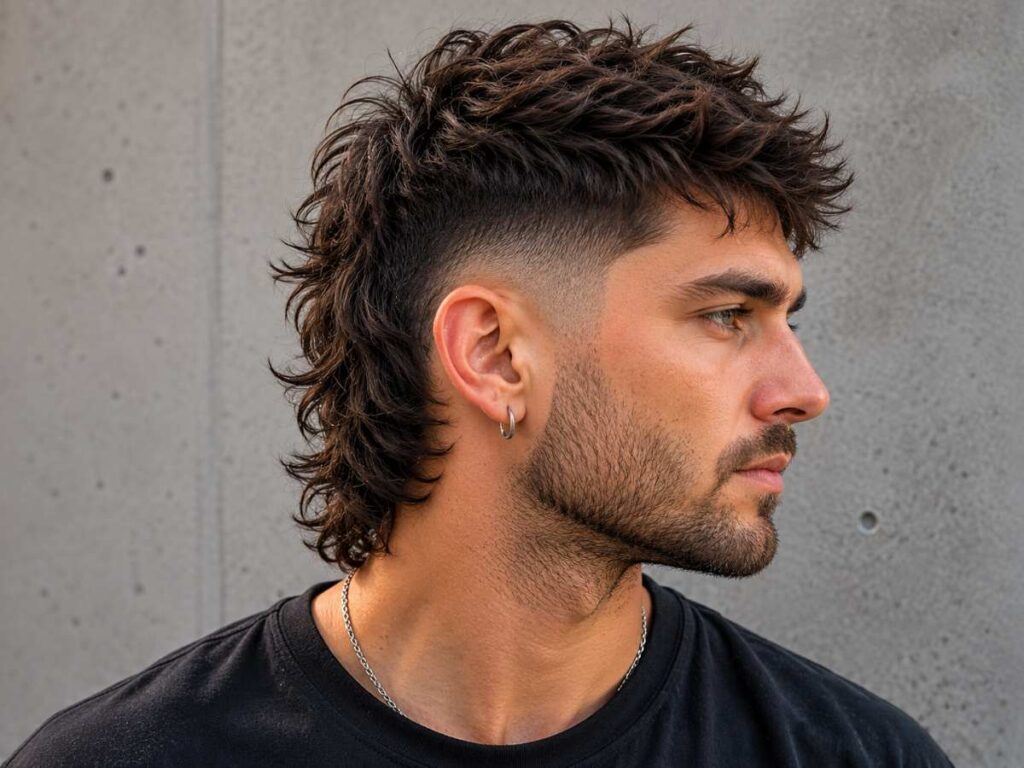
The modern mullet fade combines the recognizable structure of a traditional mullet with contemporary barbering techniques. It generally features shorter or faded sides, a more defined top, and longer hair toward the back of the head. This combination creates an interesting contrast between different hair lengths while allowing individuals to experiment with texture, volume, and personal styling. Whether someone prefers a subtle everyday haircut or a more dramatic appearance, this hairstyle offers plenty of creative possibilities.
Its growing popularity also comes from its adaptability. Different fade heights, hair textures, fringe styles, and back lengths can completely change the final appearance. As a result, the haircut can complement casual clothing, streetwear, and even more polished outfits when shaped appropriately.
Understanding the Modern Mullet Fade
A mullet is traditionally recognized by its shorter front and sides combined with longer hair at the back. The updated variation introduces a fade that gradually blends the sides into the surrounding hair. This technique creates a cleaner finish and makes the overall haircut look more structured than older interpretations of the style.
The defining feature is the balance between the faded sides and the longer back section. Instead of creating an unnecessarily sharp difference between the two areas, a skilled barber can blend the transition according to the desired appearance. Some people prefer a low fade that keeps the haircut relatively understated, while others choose a high fade for a stronger contrast.
Another important characteristic is the top section. It can be styled with volume, left naturally textured, or shaped into a fringe. These small adjustments make a significant difference because they determine whether the haircut looks relaxed, sporty, edgy, or sophisticated.
Why This Hairstyle Is Becoming Popular
One major reason behind the renewed interest in mullet-inspired haircuts is the growing preference for individual expression. Many people are moving beyond conventional short hairstyles and looking for options that reflect their personality. A faded mullet provides an opportunity to experiment with different lengths without making the entire haircut look unstructured.
Social media, celebrity-inspired grooming trends, and modern barber culture have also contributed to its visibility. Photographs and short-form videos make it easier to discover different variations and understand how particular cuts look with different hair types. Professional barbers are also experimenting with creative combinations of tapering, fading, layering, and texture to produce customized results.
Practicality is another factor. The sides can remain relatively short and manageable, while the top and back offer enough length for styling. This makes the haircut suitable for people who want something different but do not necessarily want a complicated daily grooming routine.
Popular Types of Modern Mullet Fade Hairstyles
There is no single way to wear this haircut. Its appearance changes depending on fade placement, hair length, texture, and the shape of the neckline. Understanding the available variations can help someone choose a style that matches their preferences.
Low Fade Mullet
A low fade creates a gradual transition around the lower sides and neckline. It keeps more hair around the temples and upper sides, producing a softer appearance. This option is suitable for individuals who appreciate the mullet shape but prefer something less dramatic.
The longer back section can be kept moderately short or allowed to grow into a more noticeable tail. Adding light layers and natural texture helps prevent the haircut from looking too heavy. A low fade can also work well in professional environments where a highly contrasting hairstyle might feel inappropriate.
Mid Fade Mullet
A mid fade begins around the middle of the sides and creates a balanced contrast between the top and lower sections. It is a versatile choice because it offers a noticeable modern finish without exposing too much of the scalp.
This variation works particularly well with textured tops, short fringes, and moderately long back sections. Someone with thick hair may benefit from additional layering to reduce unnecessary bulk. The result is a haircut that looks fashionable while remaining relatively easy to maintain.
High Fade Mullet
A high fade produces a stronger contrast by taking the shorter section higher along the sides. It creates a bold appearance that emphasizes the top and back of the hairstyle.
People who enjoy experimental fashion often prefer this version because the difference between the faded sides and longer sections is immediately noticeable. It can be combined with sharp edges, textured layers, or a slightly messy finish. However, maintaining the fade regularly is important because visible hair growth can change its clean appearance.
Burst Fade Mullet
The burst fade is another popular variation. Instead of following a completely straight fading pattern, the barber creates a curved transition around the ears. The fade spreads outward in a semicircular shape, leaving more length toward the back.
This approach naturally complements the longer rear section of the haircut. It is particularly attractive when combined with textured hair, curls, or a defined neckline. The curved fading pattern also creates a distinctive appearance without requiring an extremely short top.
Choosing the Right Style for Your Hair Type
Hair texture plays an important role in determining how a haircut looks after styling. A design that works beautifully with thick, naturally wavy hair may require different techniques when applied to straight or fine hair. Discussing natural hair characteristics with a barber can help achieve a more realistic and manageable result.
| Hair type | Recommended approach | Styling suggestion |
|---|---|---|
| Straight hair | Layered top with a balanced fade | Lightweight texture spray |
| Wavy hair | Medium-length textured layers | Sea salt spray |
| Curly hair | Curly top with a burst or low fade | Curl-enhancing cream |
| Thick hair | Reduced bulk with blended layers | Matte styling clay |
| Fine hair | Shorter textured top | Lightweight volumizing product |
People with straight hair can introduce movement through carefully placed layers and texturizing techniques. Wavy hair naturally creates volume and movement, making it particularly suitable for relaxed variations. Curly hair can produce an eye-catching shape, especially when the barber preserves enough length to allow the curls to maintain their natural definition.
Thick hair may require additional weight removal to prevent the back from becoming excessively bulky. Fine hair, on the other hand, usually benefits from shorter layers that create the appearance of greater volume.
How Face Shape Influences the Final Look
A suitable haircut should complement the overall proportions of the face rather than simply follow a popular trend. Different fade heights and top lengths can influence how facial features appear.
People with oval faces generally have considerable flexibility because their facial proportions work with many different variations. They can experiment with low, mid, or high fades and different fringe styles. Round faces may benefit from additional height on top because it can create a visually longer appearance. Keeping the sides relatively neat also helps maintain balanced proportions.
For square faces, textured tops and softer transitions can complement defined jawlines. People with longer faces may prefer moderate top volume and some additional width around the sides. These are general styling considerations rather than strict rules, since individual preferences and natural hair growth patterns also matter.
A good barber should consider the forehead, jawline, head shape, and natural hairline before deciding on the final proportions.
How to Ask Your Barber for the Perfect Haircut
Communication is one of the most important parts of achieving a satisfying haircut. Simply asking for a mullet can lead to different interpretations because barbers may have different ideas about the desired length, fade placement, and overall shape.
Before visiting the barbershop, collect a few reference photographs that show the front, sides, and back. This gives the barber a clearer understanding of the result you want. It is also helpful to explain how much length you want to preserve at the back and whether you prefer a subtle or noticeable transition.
During the consultation, discuss the following details:
- The preferred fade height, such as low, mid, high, or burst.
- The desired length and texture on top.
- How long the back section should remain.
- Whether you want a natural or sharply defined neckline.
- How much time you are willing to spend styling your hair.
These details reduce misunderstandings and help the barber customize the haircut according to your expectations. If you are trying this hairstyle for the first time, beginning with a moderate fade and a manageable back length can be a sensible approach.
Styling Techniques for an Attractive Everyday Appearance
Styling does not have to involve numerous products or complicated techniques. The goal is to enhance the haircut’s natural texture while maintaining a balanced shape. The right routine depends on hair type, length, and the finish someone wants to achieve.
Start by washing your hair with a suitable shampoo and applying conditioner when necessary. After gently towel-drying, use a styling product that matches your hair texture. A small amount of matte clay can provide definition and a natural finish, while a lightweight mousse may help add volume to finer hair.
For a relaxed appearance, allow the hair to dry naturally and use your fingers to separate the layers. If additional volume is required, a blow dryer can help lift the roots. A round brush can also be useful when creating a more controlled shape around the front.
The modern mullet fade looks particularly appealing when the top has natural movement instead of appearing excessively stiff. Avoid applying too much product, as heavy styling creams or gels can make the hair look greasy and reduce its natural texture.
Maintenance and Hair Care Tips
Although the longer sections can grow out without requiring frequent trimming, the faded sides usually need more attention. As the hair grows, the gradual transition becomes less defined. Regular barber visits help preserve the original shape and prevent the sides from looking untidy.
The ideal maintenance schedule depends on how quickly your hair grows and how sharp you want the fade to remain. Some people prefer visiting a barber every two or three weeks, while others are comfortable allowing the haircut to grow for a month or longer. A softer fade generally provides more flexibility between appointments.
Daily care is equally important. Keeping the scalp clean, using conditioner when appropriate, and avoiding excessive heat can help maintain healthy-looking hair. Individuals with curly or wavy hair may benefit from moisturizing products that reduce dryness and improve definition.
It is also important to avoid trimming the back section unnecessarily. Cutting it too frequently can change the recognizable silhouette and make the haircut appear closer to a conventional short hairstyle.
Common Mistakes to Avoid
One common mistake is choosing a fade that does not complement the desired back length. An extremely high fade combined with an unsuitable top shape may create an unbalanced appearance. Similarly, leaving too much weight around the back can make the hairstyle look bulky instead of intentionally layered.
Another issue is failing to consider natural hair growth patterns. Cowlicks, uneven hairlines, and different hair densities can influence how the final result looks. An experienced barber can adjust the cut to accommodate these characteristics.
Using excessive styling products is another avoidable problem. Heavy gels and creams may reduce movement and make textured layers appear flat. Selecting products according to hair type usually produces a better result.
Finally, choosing a complicated variation without considering maintenance can lead to disappointment. Someone who prefers visiting a barber only occasionally may be happier with a softer fade rather than a very sharp design that requires frequent touch-ups.
Is the Modern Mullet Fade Suitable for Everyday Wear?
Yes, this hairstyle can work for everyday situations when its proportions are selected carefully. A low or mid fade with a moderate back length can create a relatively understated appearance suitable for college, casual workplaces, social gatherings, and daily activities.
For people who prefer a more expressive fashion style, a higher fade, textured fringe, or burst design can create a stronger visual statement. The advantage is that the haircut can be adjusted without losing its recognizable structure.
Clothing and personal grooming also influence how the hairstyle fits into an overall appearance. Casual outfits, denim, sneakers, and streetwear naturally complement its relaxed character. Meanwhile, keeping the sides clean and the top controlled can make the haircut work with smarter clothing choices.
The most important consideration is personal comfort. A hairstyle should reflect the individual’s preferences rather than simply follow what is popular online.
Conclusion
The modern mullet fade has transformed a recognizable retro hairstyle into a flexible and contemporary grooming option. By combining shorter faded sides with textured layers and a longer back, it creates a distinctive silhouette that can be customized for different hair types, face shapes, and personal styles.
Its versatility is one of its strongest advantages. From subtle low fades to dramatic high fades and curved burst designs, there are numerous ways to achieve a personalized appearance. Choosing the right proportions, communicating clearly with a barber, and following a consistent hair care routine can make a significant difference in the final result.
Ultimately, the best haircut is one that complements natural features, fits everyday preferences, and feels comfortable to maintain. With thoughtful styling and professional cutting techniques, this hairstyle can offer a refreshing alternative to conventional haircuts while maintaining a clean and fashionable appearance.