


Mobile devices have changed the way people discover, read, and respond to news. Instead of waiting for scheduled television broadcasts or opening a newspaper, readers can now access breaking developments, analysis, technology updates, business stories, entertainment coverage, and global events within seconds. The rise of smartphones has also changed expectations. Readers increasingly want information that is fast to understand, easy to navigate, visually appealing, and useful on smaller screens. This shift has created a new environment in which publishers must think about both the quality of journalism and the experience through which audiences consume it.
The growing interest in mobile-first journalism has made platforms such as newsgiga com part of a broader conversation about how readers interact with digital news. People browsing from smartphones often move quickly between headlines, notifications, social platforms, search results, and news pages. As a result, publishers need to present important information clearly without sacrificing context. A strong mobile news experience is no longer simply about shrinking a desktop website onto a phone screen; it requires a publishing approach designed around the habits of mobile audiences.
Another important change is the diversity of news formats. A reader may prefer a short breaking-news update in the morning, a visual explanation during a commute, and a detailed article later in the evening. This means mobile audiences cannot be treated as one uniform group. Their preferences depend on available time, subject matter, device, and the urgency of the story. Understanding these patterns can help explain why certain mobile news formats continue to attract attention.
Why Mobile News Has Become So Important
Smartphones have made news consumption a continuous activity rather than something limited to a particular time of day. People can encounter a major development while checking their phones at breakfast, receive an alert during work, or read an analysis before going to sleep. This constant accessibility has increased the importance of speed, but speed alone does not guarantee a satisfying news experience. Readers still need accurate information, understandable explanations, and enough context to determine why a development matters.
The mobile environment also encourages shorter sessions. Someone may open an article while waiting for transportation and read only a few paragraphs before returning to another task. Publishers therefore need to make the most important information easy to identify while still providing a pathway to deeper coverage. Newsgiga com reflects this wider shift toward news experiences where accessibility and readability can influence how audiences engage with stories.
The Mobile News Trends Readers Prefer
Short and Fast News Updates
One of the strongest mobile news preferences is the ability to understand a developing story quickly. Readers often begin with a headline and opening paragraphs before deciding whether they want the complete story. This has increased the value of concise introductions that immediately establish what happened, where it happened, and why readers should pay attention.
However, short does not have to mean shallow. A well-written mobile update can communicate the essential facts while offering additional context as the story develops. Publishers can update articles when new information becomes available instead of forcing readers to search for multiple versions of the same event. This approach can create a more useful experience for audiences following rapidly changing stories.
Visual Storytelling and Mobile-Friendly Design
Visual content has become another important part of mobile journalism. Images, charts, maps, timelines, and short videos can help readers understand complicated subjects more efficiently. For example, a technology story might explain a new product through images and specifications, while a business report could use a simple chart to show a market movement.
The challenge is to make visuals useful rather than decorative. Large files can slow page loading, while excessive graphics can make an article difficult to navigate. Mobile-first publishers need to balance visual appeal with performance. Newsgiga com can be viewed within this larger trend toward news content that combines readable text with formats suited to smartphone screens.
Personalized News Experiences
Personalization has become increasingly important as audiences face an enormous volume of digital information. Readers do not necessarily want every available story; they often want the subjects that match their interests. Technology, finance, sports, entertainment, science, lifestyle, and world news can each attract different groups of users.
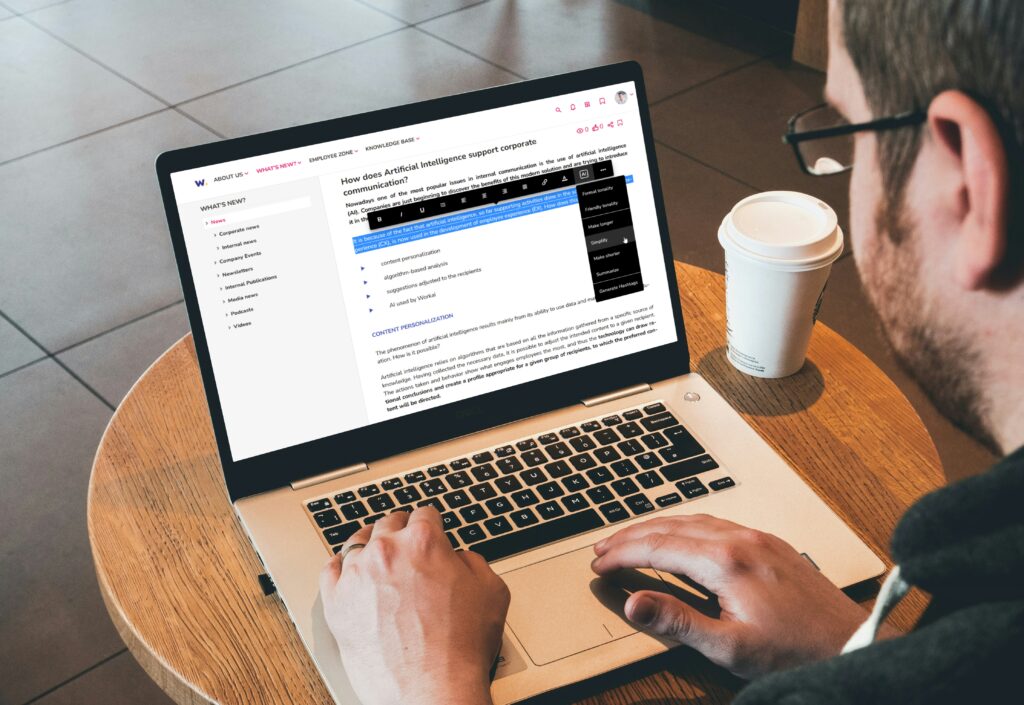
Personalized experiences can help readers discover relevant stories through recommended articles, topic sections, notifications, or customized feeds. At the same time, personalization needs to be handled carefully. If audiences receive only stories similar to what they have already read, they may encounter a narrower range of perspectives and subjects. A useful mobile news experience therefore needs to combine relevance with enough variety to help readers discover important developments outside their usual interests.
The Growing Importance of Trust and Accuracy
Speed Must Not Replace Verification
The pressure to publish quickly is particularly strong in mobile journalism because readers expect immediate updates. Yet publishing an incorrect detail can damage audience confidence much faster than it can build attention. Mobile publishers therefore face the difficult task of balancing rapid reporting with verification.
Reliable reporting generally requires checking information, identifying credible sources, distinguishing confirmed facts from developing claims, and correcting mistakes when necessary. These principles remain important regardless of whether the article is read on a smartphone, tablet, or desktop computer. For newsgiga com, as with any digital news environment, long-term audience trust depends on providing useful information rather than simply producing the fastest possible headline.
Clear Context Matters
A headline may attract attention, but context helps readers understand significance. A mobile article about a new policy, technological development, market event, or international story should explain the background needed to understand the current development. Without context, readers may know what happened without understanding why it matters.
This is particularly relevant for readers who encounter stories through search engines or social media. They may arrive directly at a single article without seeing earlier coverage. Good mobile journalism should therefore provide enough background within the article itself to make the story understandable to someone encountering the subject for the first time.
How Mobile Readers Discover News
News discovery has become more fragmented. Search engines remain important, but social networks, video platforms, messaging applications, notifications, newsletters, and recommendations can also introduce readers to stories. This means publishers need to consider how an article appears outside its own website.
A strong headline is important because it gives readers an immediate idea of the subject. However, effective headlines should accurately represent the story rather than relying on misleading language. Search-friendly wording can also help readers find useful information when they actively look for a topic. The best approach combines discoverability with clarity.
The following table summarizes several common mobile news preferences and what they mean for digital publishers:
| Mobile News Preference | What Readers Expect | Publishing Focus |
|---|---|---|
| Fast updates | Important facts quickly | Clear introductions and timely updates |
| Easy reading | Comfortable smartphone experience | Short sections and readable formatting |
| Visual content | Quick understanding of complex topics | Useful images, charts, and videos |
| Personalization | Relevant subjects | Topic-based recommendations |
| Trustworthy reporting | Accurate information | Verification and transparent corrections |
The Role of Social and Visual Platforms
Social platforms have become an important gateway to news, particularly for younger digital audiences. A reader may first encounter a story through a short video, image, post, or notification and then move to a full article for additional information. This creates an opportunity for publishers to use multiple formats while keeping the underlying reporting consistent.
The challenge is that social environments often reward speed and emotional engagement. News organizations must avoid allowing platform trends to determine the substance of their reporting. A story should remain accurate and informative even when adapted into a shorter format. Newsgiga com operates within this broader digital ecosystem where readers can move between different content formats before deciding how deeply to engage with a subject.
What Makes a Mobile News Article Easy to Read
Mobile readability depends on more than font size. Readers benefit from descriptive headings, short-to-medium paragraphs, sufficient spacing, and a clear information hierarchy. Important points should be easy to locate without forcing users to navigate through a dense wall of text.
A well-structured article can also support different reading behaviors. Someone in a hurry may scan the headings and introduction, while another reader may examine the complete article. This is why headings should communicate meaningful information rather than simply divide the page visually.
Useful mobile writing practices include:
- Start with the most relevant information.
- Use descriptive headings to divide complex subjects.
- Keep paragraphs focused on one main idea.
- Explain technical or unfamiliar terms in simple language.
- Provide additional context where it genuinely helps the reader.
The Growing Demand for Explainer Journalism
Breaking news provides immediate information, but explainers help audiences understand what comes next. Readers increasingly encounter complicated stories involving technology, economics, science, international events, business, and digital culture. Simply reporting that something happened may not answer the questions people have afterward.

Explainer journalism can address those questions by describing the background, major factors, possible implications, and important terminology surrounding an event. This style is especially valuable on mobile because readers may be unfamiliar with a subject when they first encounter it. Newsgiga com can benefit from this broader preference for content that does more than repeat a headline and instead gives readers meaningful context.
Mobile News and Changing Reader Attention
Attention is one of the most valuable resources in digital publishing. Readers have countless alternatives available at any moment, so articles need to communicate their purpose quickly. At the same time, attempting to make every article extremely short can remove useful details and reduce the quality of reporting.
The better approach is to match article depth with reader intent. A breaking update may need only essential information initially, while an investigative topic or technology explanation may require considerably more detail. Successful mobile journalism recognizes that convenience and depth are not necessarily opposites. Good structure allows readers to move quickly while still giving interested audiences enough information to understand the subject properly.
The Future of Mobile News Consumption
The future of mobile journalism is likely to involve an even broader combination of text, video, audio, interactive graphics, personalization, and artificial intelligence-assisted discovery. Readers may increasingly expect news applications and websites to understand their interests while still giving them control over what they see.
Artificial intelligence can also assist publishers with tasks such as summarization, translation, content organization, transcription, and recommendation systems. However, technology does not remove the need for editorial judgment. Human verification, source evaluation, responsible editing, and clear communication remain essential parts of credible journalism.
For publishers, the central challenge will be creating experiences that are both convenient and trustworthy. Newsgiga com represents a keyword connected to this changing digital news environment, where readers increasingly expect content to be accessible, relevant, timely, and easy to understand across mobile devices.
Conclusion
Mobile news consumption has moved far beyond simply reading traditional articles on a smaller screen. Readers now expect quick updates, clear writing, useful visuals, personalized discovery, strong context, and reliable reporting. Their habits can change throughout the day depending on whether they are looking for breaking information, detailed analysis, entertainment, business developments, or explanations of complicated subjects.