


Disasters often develop rapidly, leaving communities searching for reliable information about their safety, nearby hazards, evacuation instructions, and available emergency assistance. Whether the situation involves severe flooding, earthquakes, wildfires, cyclones, or major industrial accidents, accurate reporting can help people make informed decisions during critical moments. However, the pressure to publish breaking news quickly creates challenges for digital news platforms. Unconfirmed reports, misleading photographs, outdated announcements, and rumors circulating on social media can confuse the public when trustworthy information is needed most. Effective disaster journalism must therefore balance speed with accuracy, ensuring that urgent updates are supported by credible evidence.
In the modern digital news environment, verification has become an essential part of responsible reporting. Readers expect news platforms to distinguish confirmed facts from preliminary information and explain when details remain uncertain. The credibility of newsgiga com in disaster-related coverage depends on how effectively information is assessed, presented, corrected, and updated as events unfold. A dependable reporting process does more than communicate what happened; it helps readers understand what is known, what remains unverified, and where uncertainty still exists. These practices are particularly important during emergencies, when inaccurate information can influence public behavior and increase risks for affected communities.
Strengthening disaster update verification requires a combination of editorial judgment, reliable sources, digital investigation, transparent communication, and continuous monitoring. Technology can help journalists identify suspicious claims and organize incoming information, but human oversight remains essential for interpreting evidence and avoiding harmful mistakes. By establishing clear verification standards, digital news organizations can improve the quality of emergency coverage and build stronger relationships with readers who depend on timely, accurate reporting.
Why Disaster Update Verification Matters in Modern Journalism
Disaster reporting differs from ordinary news coverage because the consequences of misinformation can be immediate. A false announcement about a dam failure, a fabricated evacuation order, or an incorrect road closure can cause unnecessary panic or direct people toward unsafe locations. Similarly, an outdated weather warning may create a false sense of security when conditions have deteriorated. These examples demonstrate why journalists must treat emergency information with particular care. Publishing an unverified claim simply because it is attracting attention can undermine public confidence and potentially interfere with the work of emergency responders.
For newsgiga com, a structured verification approach can help establish consistency across breaking news reports, developing stories, and follow-up updates. Editors need to assess the source of each claim, determine when the information was collected, and establish whether independent evidence supports it. Official announcements from emergency management agencies, meteorological departments, police, fire services, and local administrations can provide important information. Nevertheless, even official information may change as authorities learn more about an incident. Responsible journalism should identify the time of an announcement and update previous reporting when circumstances change.
Verification also protects the distinction between eyewitness information and confirmed facts. Residents may provide valuable descriptions of flooding, damaged infrastructure, or disrupted transportation, but an individual observation does not necessarily establish the full scale of a disaster. A photograph of water covering one street, for example, cannot independently confirm that an entire neighborhood is submerged. Journalists should place such evidence within its proper geographical and temporal context before drawing wider conclusions.
Building a Reliable Source Verification Framework
Evaluating Official Announcements and Primary Sources
Primary sources are particularly valuable during emergencies because they can provide direct information about developing conditions. Government disaster response departments, local authorities, weather agencies, hospitals, and emergency services may issue alerts or situation reports containing verified details. Journalists should examine the original announcement whenever possible instead of relying entirely on screenshots, forwarded messages, or summaries published by other accounts. Checking the issuing organization’s identity, publication time, geographical coverage, and exact wording helps prevent errors caused by incomplete or distorted information.
However, responsible reporting requires more than repeating official statements without examination. Authorities may initially provide estimates that later change, and different agencies may report different figures because they use different collection methods or update schedules. When such discrepancies arise, newsrooms should explain the difference rather than selecting whichever number appears most dramatic. For example, an early casualty estimate should be identified as preliminary until a more authoritative assessment becomes available. Clear attribution enables readers to understand where the information originated and how confidently it can be interpreted.
Cross-Checking Independent Evidence
Independent corroboration provides another important safeguard against misinformation. When practical, journalists should compare official announcements with reports from credible local correspondents, verified eyewitness accounts, reputable humanitarian organizations, and other independent sources. These sources should not automatically be treated as equally authoritative; their relevance depends on what they directly observed, their access to the incident, and the evidence they can provide. A local resident may reliably describe conditions outside their home but may have no dependable information about damage several kilometers away.
A verification framework should also consider whether multiple reports are genuinely independent. Ten social media accounts repeating the same unconfirmed message do not necessarily provide ten separate pieces of evidence. If all the accounts obtained their information from one original post, the apparent agreement may be misleading. Editorial teams should trace claims back to their earliest identifiable source and seek additional evidence that does not depend on the same unverified material. This approach helps reduce the risk of circular reporting, in which repeated claims are mistakenly presented as confirmation.
Digital Tools for Verifying Disaster Images and Videos
Photographs and videos can offer valuable evidence during emergencies, but digital content can also be manipulated, miscaptioned, or reused from earlier incidents. An old flood video may be presented as footage of a current storm, while a photograph from another country may circulate with a misleading location description. Such material can spread quickly because dramatic visuals attract attention and appear convincing even when their context is incorrect. Newsrooms need procedures for checking visual evidence before incorporating it into reports.

Reverse image searches, video keyframe analysis, metadata inspection, satellite imagery, and geographical comparison can help journalists investigate the origins of digital content. Visible landmarks, road signs, building designs, vegetation, weather conditions, and the position of the sun may provide clues about where and when an image was captured. However, individual clues should not be treated as definitive proof. Metadata may be missing or altered, while reverse image searches may fail to identify images that have never been indexed. Verification is strongest when several independent indicators support the same conclusion.
For newsgiga com, visual verification can be integrated into the editorial process rather than treated as an optional final check. Editors should establish whether a photograph depicts the claimed event, whether its location is plausible, and whether the publication has permission to use it where required. If the origin or date cannot be established, the material should either be excluded or clearly labeled according to the evidence available. Artificial intelligence tools may help flag manipulated media or identify similarities between images, but their findings require human review. Automated detection can produce false positives and false negatives, particularly when content has been compressed, edited, or captured under difficult conditions.
A Practical Comparison of Disaster Verification Methods
Different types of emergency information require different verification methods. A weather warning, an eyewitness video, and a casualty estimate cannot always be assessed through the same process. Choosing an appropriate method helps editors evaluate claims efficiently without sacrificing accuracy.
| Information type | Recommended verification method | Main concern |
|---|---|---|
| Weather alerts | Check current meteorological agency bulletins and issue times | Outdated or geographically incorrect warnings |
| Evacuation instructions | Confirm with the responsible local authority or emergency service | Fake or superseded instructions |
| Photographs and videos | Check source history, location clues, and independent evidence | Recycled or manipulated visuals |
| Casualty and damage figures | Compare attributed official reports and explain uncertainty | Conflicting preliminary estimates |
| Road closures and rescue information | Verify with relevant authorities and local responders | Rapidly changing conditions |
This comparison highlights an important principle: verification should match the nature of the claim. An image may establish that damage occurred at a particular location, but it cannot automatically confirm the number of casualties. Likewise, an official weather warning can establish that a hazard is expected without proving that a particular building has already flooded. Keeping evidence and conclusions aligned helps prevent exaggerated or unsupported reporting.
Managing Breaking News Without Spreading Rumors
Speed remains important in disaster journalism because readers may need information before a situation is fully understood. Nevertheless, speed should not become an excuse for presenting speculation as fact. Editors can respond to this challenge by distinguishing confirmed information from developing details. When a major incident first occurs, a report might confirm the location and nature of the event while explaining that the number of people affected has not yet been established. This provides useful information without creating a false impression of certainty.
A developing news report should also have a clear update process. Editors can monitor official announcements, review incoming evidence, and revise the article when new information becomes available. Significant changes should be visible to readers through accurate timestamps or brief explanations of what has changed. If an earlier figure is corrected, the publication should not quietly replace it in a way that conceals a meaningful error. Transparency allows audiences to understand how the report evolved and reduces confusion when older versions continue circulating online.
Responsible breaking-news coverage should follow several practical principles:
- Confirm essential facts before publishing definitive claims.
- Attribute preliminary figures and explain when they remain uncertain.
- Check the date, location, and origin of images or videos.
- Update developing reports when reliable new evidence emerges.
- Correct significant mistakes clearly and promptly.
These practices help editorial teams maintain a consistent standard even when newsrooms face heavy workloads and intense competition. They also make it easier for readers to distinguish useful emergency information from speculation, rumor, and recycled content.
Communicating Uncertainty and Correcting Errors
One of the most important skills in disaster reporting is communicating uncertainty without making a report unhelpful. During the early stages of a major emergency, journalists may not have enough evidence to determine the full extent of damage or establish the precise number of people affected. Instead of filling these gaps with assumptions, they should use careful language that reflects the available evidence. Phrases such as preliminary reports indicate, authorities have confirmed, and the figure has not yet been independently verified can communicate meaningful distinctions when used accurately.
The language should also avoid unnecessary alarm. Sensational headlines, dramatic speculation, and unsupported predictions may attract clicks but can weaken trust and distract from practical information. If officials report that several roads are under assessment, a headline should not imply that an entire region is inaccessible. Similarly, a report about a potential hazard should distinguish between a forecast, a warning, and an event that has already occurred. Readers need enough context to understand both the seriousness of a situation and the limits of what is currently known.
Corrections are equally important. Even a newsroom with strong procedures may publish an inaccurate detail because information changes rapidly or an initial source proves unreliable. When an error is identified, editors should correct it promptly, explain the relevant change when appropriate, and review how the mistake occurred. This review can reveal whether the problem involved weak source checks, unclear editorial responsibility, or an outdated information feed. For newsgiga com, a transparent correction process would support accountability and demonstrate that accuracy takes priority over defending an earlier report.
Protecting Communities From Disaster Misinformation
Misinformation can cause more than temporary confusion. False claims about relief supplies, missing people, shelter locations, or the availability of medical services can divert attention from genuine needs. Incorrect rumors may also damage the reputation of local communities or create unnecessary pressure on emergency organizations. Newsrooms should therefore evaluate not only whether a claim is accurate but also how publishing it could affect people who are already vulnerable.
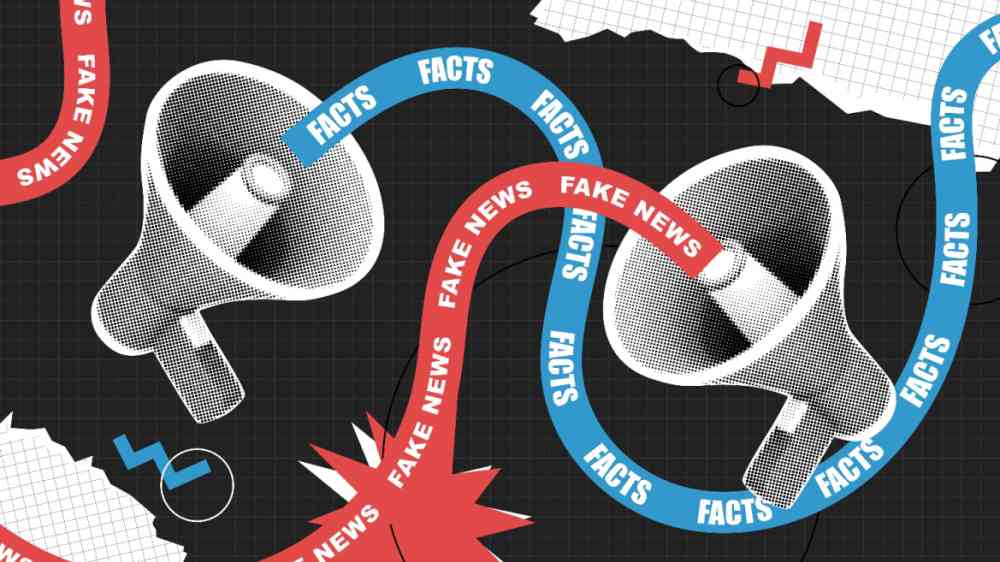
Responsible coverage requires particular care when reporting names, photographs, personal circumstances, and information about missing or injured individuals. Journalists should avoid publishing unconfirmed identities or graphic material simply because it is circulating widely online. Information about victims should be handled sensitively, with appropriate verification and respect for privacy. When a rumor targets a particular community, the report should examine the evidence without repeating harmful allegations more prominently than necessary.
News organizations can also help readers recognize common warning signs of unreliable disaster information. These include messages that demand immediate sharing, screenshots without identifiable sources, dramatic claims unsupported by evidence, and images that lack a verifiable date or location. Explaining these warning signs in clear language encourages audiences to pause before forwarding potentially harmful content. Public education cannot eliminate misinformation, but it can reduce the speed at which unverified claims spread through personal networks.
Editorial Accountability and Continuous Improvement
A dependable verification system needs clearly assigned responsibilities. Reporters should know how to document their sources, editors should understand which claims require additional confirmation, and digital teams should have a process for reviewing material submitted through social platforms. A written disaster-reporting policy can establish minimum evidence requirements, correction procedures, escalation rules, and standards for identifying preliminary information. These measures become particularly useful when several journalists are working on the same event under tight deadlines.
Training should cover both traditional reporting skills and modern digital verification techniques. Journalists need to recognize misleading captions, assess source credibility, understand the limitations of automated tools, and distinguish correlation from independent confirmation. Periodic exercises based on simulated emergencies can help editorial teams practice these skills before an actual disaster occurs. After a major event, a review of published reports can identify recurring weaknesses and opportunities to improve future coverage.
Newsrooms can also measure the effectiveness of their processes through practical indicators. These might include the time required to correct a significant error, the proportion of major claims supported by documented sources, the frequency of timestamp updates, and the number of reports that clearly distinguish preliminary estimates from confirmed figures. Such measures should support better journalism rather than encourage staff to prioritize speed or volume over accuracy. The objective is to improve the reliability of information that reaches the public.
The Future of Disaster Reporting and Verification
Technology is likely to play an increasingly important role in emergency journalism. Artificial intelligence can assist with sorting large volumes of incoming reports, translating local announcements, identifying duplicate images, and flagging claims that require further investigation. Satellite observations and mapping tools can help journalists understand the geographical extent of certain hazards, while automated monitoring systems may identify changes in official alerts. These capabilities can make verification more efficient when newsrooms face large quantities of information arriving from multiple sources.
However, greater automation does not remove the need for editorial responsibility. AI systems may misunderstand local terminology, produce inaccurate summaries, or assign confidence to content that has not been adequately checked. Synthetic images and increasingly sophisticated editing techniques may also make visual verification more challenging. News organizations should use automated systems as investigative aids rather than independent authorities. Important claims about casualties, evacuation instructions, and public safety should receive appropriate human review and confirmation from credible sources.
The future of newsgiga com disaster coverage will depend on combining useful technology with strong editorial judgment and transparent communication. A publication that consistently identifies sources, explains uncertainty, corrects mistakes, and updates reports as evidence develops can offer readers a more dependable experience. These standards also help distinguish meaningful journalism from the large volume of unverified material that often appears during emergencies.
Conclusion
Disaster update verification is a fundamental responsibility for any digital news organization that aims to serve the public during emergencies. Accurate information helps communities understand changing conditions, evaluate potential risks, and make decisions based on evidence rather than rumor. Achieving this standard requires careful source assessment, independent corroboration, digital image verification, transparent corrections, and a clear distinction between confirmed facts and preliminary reports. Strengthening newsgiga com credibility through consistent verification practices means recognizing that responsible journalism involves more than publishing the latest development. It requires explaining where information originated, acknowledging what remains unknown, and correcting mistakes when stronger evidence becomes available. Technology can support these efforts, but it cannot replace sound editorial judgment, ethical decision-making, and accountability.