

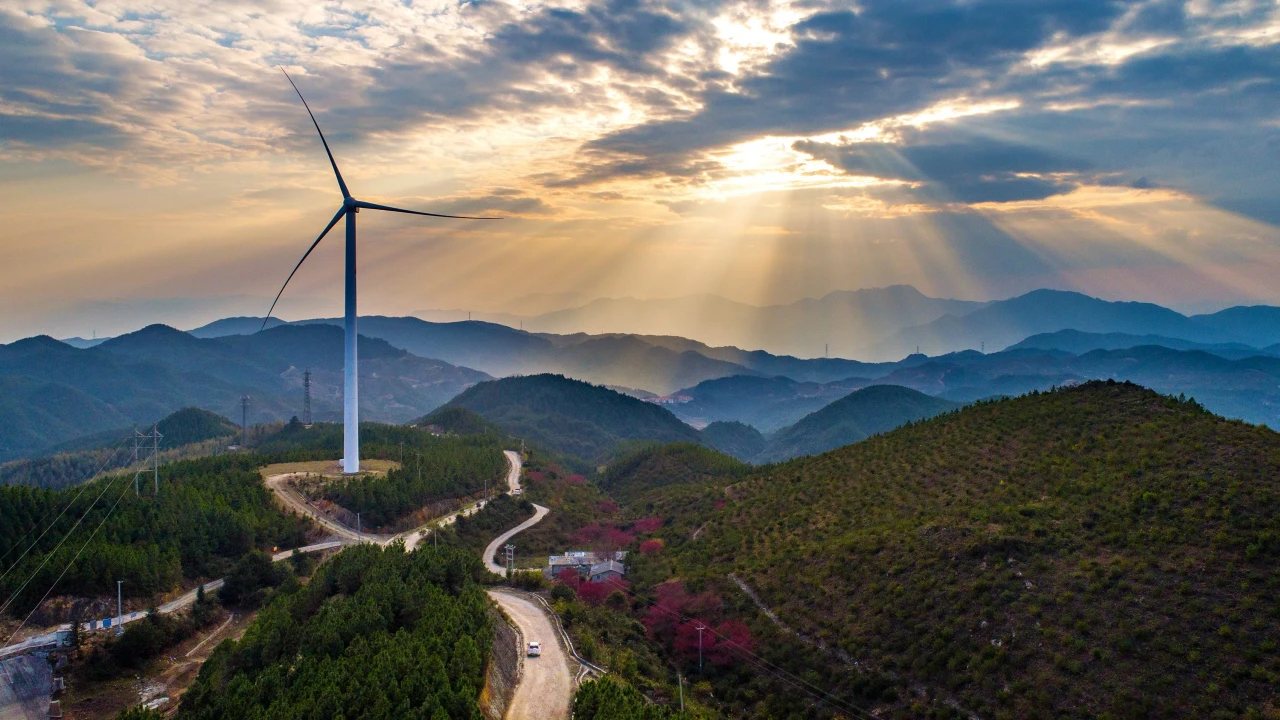
Climate change has become one of the most closely followed global issues of the modern era. Rising temperatures, changing rainfall patterns, extreme weather events, melting ice, ocean changes, biodiversity loss, and the transition toward cleaner energy are now influencing communities, businesses, governments, and households. As these developments continue to evolve, access to understandable and timely climate information has become increasingly important. Readers need more than isolated headlines; they need context that explains why an event matters, how it connects with wider environmental patterns, and what its potential consequences could be.
This is where digital news platforms and modern information services can play an important role. The growing interest in climate coverage has created demand for news that brings together environmental science, technology, energy developments, policy discussions, and real-world impacts. newsgiga com can be considered within this broader trend of accessible digital information, where readers increasingly look for organized and understandable coverage rather than relying on disconnected pieces of information.
Better climate awareness does not simply mean knowing that temperatures are rising. It involves understanding how different environmental developments are connected and how climate-related changes can influence agriculture, water resources, public infrastructure, energy systems, economies, and everyday life. When climate news is presented with useful context, readers can develop a more informed understanding of a rapidly changing world.
Understanding the Changing Climate News Landscape
Climate journalism has changed significantly as environmental developments have become more visible in everyday life. Earlier climate reporting often focused heavily on scientific studies, international meetings, or long-term temperature projections. Today, coverage has expanded to include heatwaves, floods, wildfires, droughts, renewable energy, electric transportation, sustainable construction, climate finance, food security, and adaptation strategies.
This wider approach reflects the fact that climate change is not an isolated environmental subject. It intersects with economics, technology, health, agriculture, urban planning, infrastructure, and international cooperation. A major heatwave, for example, may be covered from the perspective of weather, but its wider implications can involve electricity demand, worker safety, crop production, water consumption, and pressure on urban infrastructure.
Modern readers also consume information differently. News is increasingly accessed through smartphones, search engines, social platforms, newsletters, video content, and personalized feeds. Because information moves quickly, people can encounter multiple claims about the same climate event within a short period. This creates an important need for clear explanations and responsible reporting.
Platforms such as newsgiga com fit into a broader digital environment where readers expect information to be accessible while still providing meaningful context. The challenge is to make complicated environmental developments understandable without reducing important scientific issues to oversimplified headlines.
Major Climate News Trends Shaping Global Awareness
Extreme Weather Is Receiving Greater Attention
Extreme weather has become a major focus of climate reporting because its effects can be experienced directly by communities. Heatwaves, intense rainfall, flooding, droughts, wildfires, and powerful storms can affect transportation, housing, agriculture, energy infrastructure, and public services. Climate journalism increasingly examines not only individual events but also the longer-term environmental conditions that can influence their frequency or intensity.
However, responsible reporting requires careful distinction between weather and climate. A single storm or hot day cannot independently demonstrate a long-term climate trend. Scientists generally examine patterns across longer periods and use multiple forms of evidence. Good climate coverage therefore helps readers understand the difference between an individual event and broader changes in climate systems.
This distinction is particularly important in the digital news environment, where dramatic events can generate large amounts of attention. Readers benefit when reports explain what scientists know, what remains uncertain, and how individual events fit into established climate research.
The Energy Transition Is Becoming a Central Story
Another major climate trend is the transformation of global energy systems. Solar and wind power have expanded in many markets, while battery storage, electric vehicles, grid modernization, and other low-carbon technologies continue to receive significant attention. At the same time, countries and industries are dealing with practical challenges involving energy reliability, costs, infrastructure, investment, and changing demand.
The energy transition is therefore more complex than simply replacing one energy source with another. Electricity grids need to become more flexible, energy storage needs to develop, transmission infrastructure needs investment, and consumers need technologies that can operate effectively within changing energy systems.
News coverage of these developments can help readers understand why clean-energy technologies matter beyond environmental benefits. The transition can influence employment, industrial production, transportation, household energy costs, technological innovation, and national energy strategies. newsgiga com can serve as part of the wider digital information environment where these interconnected trends are easier for general readers to follow.
Climate Technology Is Expanding Rapidly
Technology is becoming another important part of climate reporting. Advances in batteries, renewable energy systems, smart grids, carbon monitoring, energy-efficient buildings, electric transportation, and climate data tools are changing how societies respond to environmental challenges.
Artificial intelligence is also increasingly discussed in connection with climate science and environmental management. AI systems can help process large datasets, identify patterns, improve forecasting models, optimize energy use, and support research. At the same time, AI infrastructure requires substantial computing resources and electricity, creating another area where technology and environmental discussions intersect.
This creates a more nuanced climate conversation. Technology can provide valuable tools for adaptation and emissions reduction, but technological development itself has environmental costs and infrastructure requirements. Understanding both sides is essential for meaningful climate awareness.
Climate Reporting and the Importance of Reliable Context
The speed of modern news can create an information problem. Climate stories may be shared widely before readers have enough context to understand what actually happened. A headline may highlight a temperature record, disaster, scientific discovery, or policy announcement, while the underlying story may contain important qualifications.
Effective climate communication should therefore answer several basic questions. What happened? Where did it happen? What evidence supports the claim? Is the development part of a longer trend? What are scientists or relevant institutions saying? What remains uncertain? And how could the development affect people or ecosystems?

newsgiga com can be viewed within this need for accessible environmental information. The value of climate news is not simply measured by how quickly a story reaches readers. Its usefulness also depends on whether the information helps people build a more accurate mental picture of environmental changes.
Readers can strengthen their own media literacy by comparing major claims with scientific evidence and paying attention to the difference between measured observations, projections, and opinions. This approach is especially valuable when climate stories involve complicated predictions or rapidly developing events.
The Role of Climate Data in Modern Awareness
Data has become central to understanding environmental change. Temperature measurements, satellite observations, sea-level records, rainfall statistics, atmospheric measurements, glacier observations, and emissions estimates provide evidence that researchers use to identify long-term patterns.
Yet raw numbers can be difficult for general audiences to interpret. A temperature anomaly, for instance, may have little meaning without information about the historical baseline against which it is measured. Similarly, an emissions statistic becomes more meaningful when readers understand whether it refers to a country, industry, individual activity, or global total.
This is why effective climate communication combines data with explanation. Charts, maps, comparisons, and carefully written descriptions can turn technical information into something that ordinary readers can understand. Digital news platforms can make this process more accessible by presenting environmental developments in formats suited to modern audiences.
Key Areas Readers Should Watch
Several areas are particularly important for following climate developments:
- Extreme heat, flooding, drought, wildfire, and changing precipitation patterns.
- Renewable energy, batteries, electricity grids, and transportation technologies.
- Climate adaptation, resilient infrastructure, water management, and agriculture.
- Scientific research involving oceans, ice, ecosystems, emissions, and atmospheric conditions.
These areas are connected rather than independent. Changes in one system can influence another, which is why climate reporting increasingly takes an interdisciplinary approach.
Climate Change and Everyday Life
One reason climate awareness matters is that environmental changes can influence everyday decisions. Farmers may need to respond to changing growing conditions. Cities may invest in heat-resistant infrastructure and improved drainage. Energy companies may prepare for changing electricity demand. Businesses may reconsider supply chains and physical risks. Households may become more interested in energy efficiency, cooling systems, transportation choices, and water conservation.
The effects are not identical everywhere. Geography, economic conditions, infrastructure, and local climate all influence how communities experience environmental changes. A coastal city may focus heavily on sea-level rise and flooding, while an agricultural region may be more concerned about water availability and crop conditions.
Climate reporting becomes more useful when it recognizes these differences. Instead of treating climate change as one universal experience, effective coverage can explain how different regions and sectors face different combinations of risks and opportunities.
How Digital News Can Improve Climate Literacy
Digital platforms have an opportunity to make complicated environmental subjects easier to understand. Searchable archives, topic-based coverage, visual explanations, newsletters, personalized feeds, and regularly updated stories can help readers follow developments over time rather than encountering climate information only when a major disaster occurs.
The broader information model represented by newsgiga com is relevant to this changing relationship between readers and news. People increasingly want information organized around subjects that matter to them, including environmental developments. A reader interested in climate may want to understand not only today’s headline but also the scientific background, technological response, economic implications, and longer-term direction of the issue.
Personalized information can be useful, but it should not create an isolated information environment. Climate awareness benefits from exposure to different perspectives, credible evidence, and clear explanations of uncertainty. Digital convenience should therefore work alongside responsible information habits.
The Growing Importance of Climate Adaptation
Climate discussions often focus on reducing emissions, but adaptation is equally important. Even with significant mitigation efforts, many communities are already planning for environmental conditions that are different from those experienced in the past.
Adaptation can involve stronger infrastructure, improved early-warning systems, better water management, urban cooling strategies, resilient agriculture, coastal planning, emergency preparedness, and changes to building design. These measures do not eliminate climate risks, but they can help communities reduce vulnerability.
News coverage of adaptation can also make climate discussions more practical. Instead of focusing exclusively on distant projections, reporting can show how cities, businesses, farmers, engineers, and households are responding to observed and anticipated changes.
Climate News, Business, and Economic Decisions
Climate developments increasingly influence business decisions. Companies may face changing regulations, supply-chain disruptions, energy costs, investor expectations, physical risks, and consumer preferences. Industries such as agriculture, energy, transportation, construction, insurance, and manufacturing are particularly exposed to environmental changes.
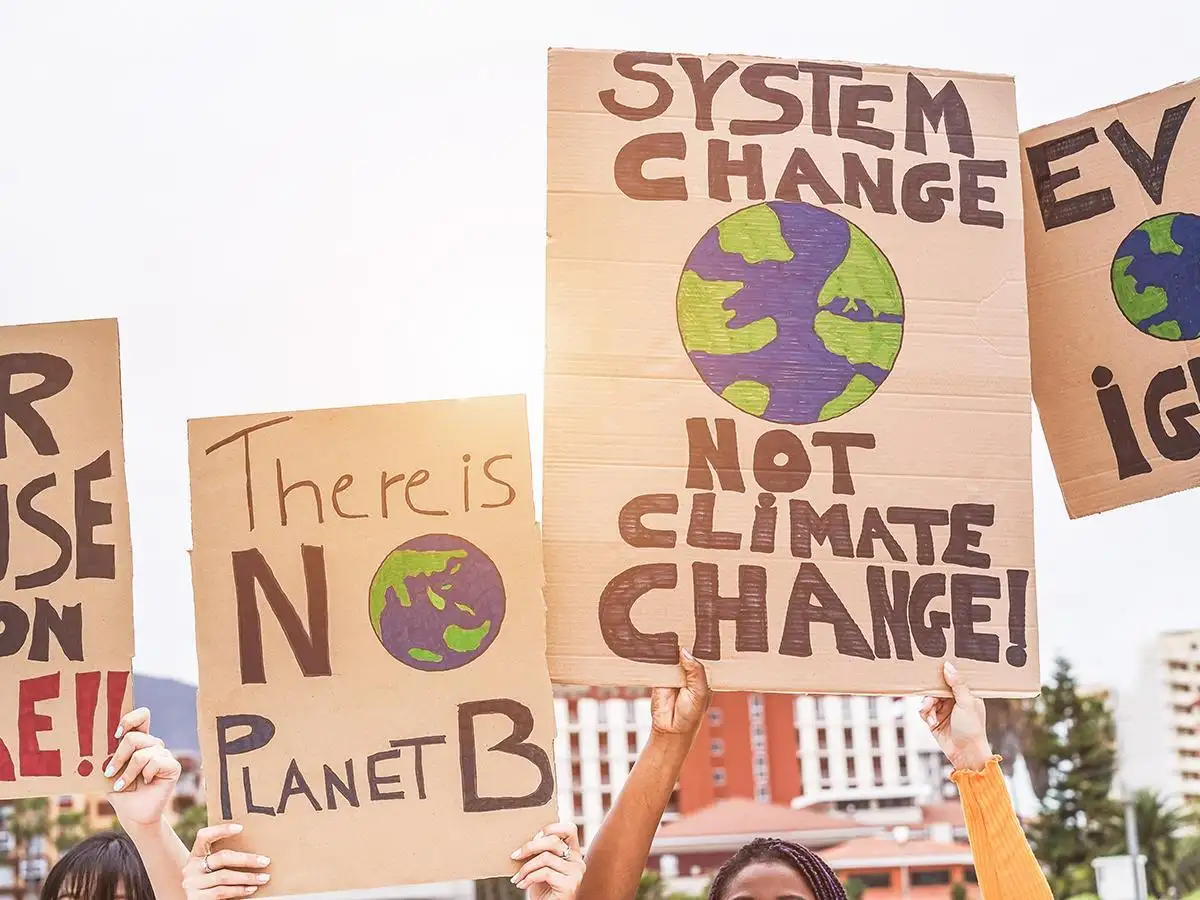
This has made climate information relevant to people who may not consider themselves environmental specialists. Investors, entrepreneurs, managers, policymakers, and workers may all benefit from understanding how environmental trends could influence their sectors.
newsgiga com can be associated with the broader shift toward news consumption that connects environmental developments with economic and technological trends. When climate reporting explains these relationships clearly, readers can better understand why environmental stories frequently appear alongside business and technology coverage.
A Simple Framework for Following Climate Developments
| Climate area | What to monitor | Why it matters |
|---|---|---|
| Weather patterns | Heat, rainfall, droughts, storms | Shows regional environmental pressures |
| Energy | Renewables, grids, storage, demand | Influences emissions and energy systems |
| Oceans and ice | Sea levels, ocean temperatures, ice loss | Reveals major climate-system changes |
| Agriculture | Crops, soil, water availability | Connects climate with food security |
| Technology | Batteries, efficiency, monitoring tools | Supports mitigation and adaptation |
| Policy | Climate plans and regulations | Shapes investment and long-term planning |
Following these areas together can provide a more complete picture than reading individual climate headlines in isolation. It also encourages readers to look for connections between environmental science, technology, economics, and social impacts.
Why Global Awareness Requires Local Understanding
Climate change is global, but its consequences are often local. A worldwide rise in average temperature may seem abstract until it is connected to a specific community experiencing unusual heat, water stress, coastal flooding, or agricultural disruption.
This is why climate journalism benefits from combining global context with local examples. International developments can explain the larger direction of change, while local reporting demonstrates how those developments affect real communities. Together, they create a more meaningful understanding of environmental issues.
Readers should also recognize that climate information can change as new measurements become available. Scientific understanding develops through continued observation and research. Good reporting should therefore communicate what is established while acknowledging areas where uncertainty remains.
Building Better Habits for Climate Information
People do not need to become climate scientists to become better-informed readers. A few simple habits can significantly improve the quality of information they consume. Readers can look beyond headlines, check the date of a story, identify whether a statement comes from research or opinion, and consider whether a dramatic claim is supported by evidence.
It is also useful to distinguish between projections and observations. A projection describes what could happen under particular conditions, while an observation describes something that has already been measured. Understanding this difference prevents many common misunderstandings.
As climate coverage continues to grow, platforms such as newsgiga com can contribute to a wider culture of environmental awareness when information is presented in a clear, contextual, and responsible way. The goal should not simply be to increase the amount of climate content available but to improve how effectively that content helps people understand change.
Conclusion
Climate news has become an essential part of global awareness because environmental developments increasingly intersect with everyday life, technology, business, infrastructure, agriculture, energy, and public planning. From extreme weather and changing ecosystems to renewable energy and climate adaptation, the modern climate story contains many interconnected subjects. The growing demand for accessible information highlights the importance of digital news platforms and organized environmental coverage. newsgiga com represents the broader direction of modern news consumption in which readers seek timely information across science, technology, environment, and society rather than treating each topic as completely separate.