

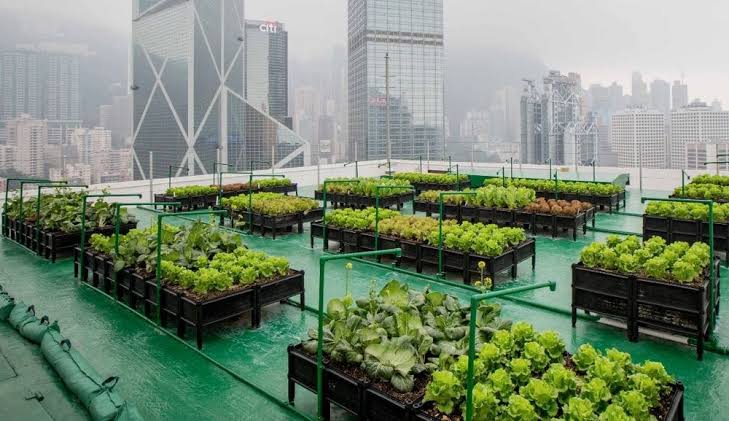
Urban farming is becoming an increasingly practical way for people to grow fresh food, make better use of limited space, and create greener neighborhoods. As cities expand and residential areas become more crowded, access to suitable gardening space can be a challenge. However, growing vegetables, herbs, fruits, and selected edible plants does not always require a traditional garden. Balconies, rooftops, windowsills, shared community spaces, and even indoor corners can become productive growing environments with the right planning. Urban farming combines traditional gardening knowledge with modern techniques that help people cultivate food in compact areas.
The growing interest in sustainable living has also encouraged households to reconsider where their food comes from and how much effort goes into producing it. A small container garden may not replace regular grocery shopping, but it can provide fresh herbs, seasonal vegetables, and a rewarding connection with nature. Urban farming can also encourage healthier eating habits, reduce some food-related waste, and create opportunities for neighbors to work together. Exploring practical sustainability ideas through newsgiga com can complement this interest by encouraging readers to consider how everyday choices contribute to more environmentally conscious lifestyles.
Successful urban farming does not depend on having expensive equipment or extensive gardening experience. It begins with understanding available sunlight, choosing suitable plants, managing water efficiently, and maintaining healthy growing conditions. Whether someone lives in an apartment, owns a small house, or manages a shared residential space, there are several ways to start growing food on a manageable scale. The key is to choose a method that matches the available space, budget, climate, and amount of time a person can devote to caring for plants.
1. Understanding the Basics of Urban Farming
Urban farming refers to growing food within cities and other densely populated areas. It includes home vegetable gardens, rooftop farms, container gardening, indoor cultivation, hydroponic systems, and community food-growing projects. Unlike conventional agriculture, which generally relies on larger plots of land, urban farming makes use of spaces that are already part of the built environment. This flexibility allows people to experiment with different growing methods without needing to purchase or lease agricultural land.
One of the most important principles is matching the growing method to the environment. A sunny balcony may support tomatoes, chillies, and leafy vegetables, while a shaded area may be better suited to certain leafy greens and herbs that tolerate lower light levels. Indoor gardens may require additional lighting, depending on the location and plant variety. Before purchasing seeds or containers, beginners should observe how much direct sunlight their intended growing area receives throughout the day. They should also consider wind exposure, drainage, access to water, and the weight that a balcony or rooftop can safely support.
Urban farming is not limited to producing large quantities of food. A few pots of coriander, mint, spinach, or green chillies can make a meaningful contribution to a household kitchen. Over time, growers can expand their gardens as they become more confident about plant care, seasonal conditions, and harvesting. This gradual approach keeps the initial investment manageable while making it easier to learn from mistakes.
2. Balcony Gardening for Small Apartments
Balcony gardening is one of the most accessible urban farming ideas because it allows apartment residents to grow food without requiring a separate outdoor garden. Containers can be arranged along suitable walls, placed on stable stands, or positioned on shelves that receive adequate light. Herbs such as mint, coriander, basil, and parsley are useful starting choices, while spinach, lettuce, radishes, and some compact tomato varieties can provide additional variety. In warmer climates, growers can also experiment with chillies and other vegetables suited to the local season.
Choosing the correct container is essential. Pots should have drainage holes, enough depth for the selected plant, and sufficient space for roots to develop. A suitable potting mixture is generally more effective than heavy garden soil because it can provide a balance of drainage, aeration, and moisture retention. Plants also need regular monitoring, as containers can dry out faster than garden beds during hot weather. Watering should depend on soil moisture, temperature, and plant requirements rather than following a rigid schedule.
Balcony gardeners should also consider safety and the practical limitations of their buildings. Heavy containers should be positioned securely, and drainage water should not create problems for neighbors below. Rooftop or balcony installations may be subject to residential rules, so checking relevant restrictions before making structural changes is sensible. With these considerations addressed, even a small balcony can provide a convenient source of fresh ingredients throughout suitable growing seasons.
3. Rooftop Farming and Productive Green Spaces
Rooftop farming turns underused building surfaces into spaces for growing food. Depending on structural capacity and local regulations, rooftops can accommodate container gardens, raised beds, lightweight growing systems, or professionally designed urban farms. These projects can make fresh produce more accessible while introducing greenery into areas dominated by concrete and paved surfaces. For apartment communities, schools, offices, and restaurants, a rooftop garden can also become an educational space where people learn about food production and environmental responsibility.
Planning is especially important before establishing a rooftop garden. Buildings must be assessed for load-bearing capacity, waterproofing, drainage, wind exposure, and safe access. Wet growing media and water-filled containers can weigh considerably more than expected, so a qualified professional should assess structural suitability before heavy installations are introduced. Waterproofing damage can lead to expensive repairs, making preventive planning more valuable than attempting to correct problems later.
Plant selection should reflect the rooftop’s exposure to sunlight and wind. Leafy vegetables, herbs, compact fruiting plants, and suitable climbing crops can work well when containers and support structures are chosen carefully. Shade cloth may help protect sensitive plants during intense heat, while mulch can reduce moisture loss. A well-managed rooftop farm may also provide localized cooling and contribute to greener urban surroundings, although the benefits depend on the design, scale, and maintenance of the installation.
4. Container Gardening for Flexible Food Production
Container gardening is useful for people who need a flexible and relatively inexpensive way to begin urban farming. Plants can be grown in conventional pots, fabric grow bags, recycled food-safe containers, or purpose-built planters. The method is particularly suitable for renters because many containers can be moved when necessary. It also allows growers to separate plants according to their water, nutrient, and sunlight requirements instead of managing one large growing area.
The most important consideration is choosing the right container size for each crop. Shallow-rooted herbs can often grow successfully in smaller pots, whereas tomatoes, eggplants, and larger pepper plants need more room for their roots. Reusing containers can reduce expenses, but they should be clean, durable, and suitable for growing edible plants. Containers that previously held chemicals should never be repurposed for food production. Adequate drainage is equally important because waterlogged roots can become damaged and encourage plant diseases.
Container gardens benefit from a simple maintenance routine. Growers should inspect plants for yellowing leaves, pests, and signs of nutrient deficiencies. Organic matter or suitable fertilizers can replenish nutrients as plants grow, but excessive feeding may damage roots or encourage unbalanced growth. Rotating crops and refreshing growing media when appropriate can help maintain productivity. For beginners, starting with two or three crops is often more manageable than filling every available space immediately.
5. Hydroponics and Modern Soil-Free Growing
Hydroponics is a growing technique in which plants receive water and dissolved nutrients without relying on conventional soil. Their roots may sit in a nutrient solution or in an inert growing medium that supports the plant while allowing nutrients and water to reach its roots. Because the system can deliver water and nutrients directly, hydroponics may use water efficiently when it is designed and operated correctly. It can be suitable for indoor gardens, controlled environments, and locations where conventional growing space is limited.
Leafy greens and herbs are common choices for small hydroponic systems because many varieties grow relatively quickly and can be cultivated in compact arrangements. However, successful cultivation requires attention to water quality, nutrient concentration, acidity, temperature, lighting, and cleanliness. Poorly maintained systems can develop algae, root problems, or nutrient imbalances. Electricity may also be needed for pumps and grow lights, which can affect operating costs.
Hydroponics is not automatically cheaper or more sustainable than soil-based gardening. Equipment, electricity, replacement components, and nutrient supplies all contribute to its environmental and financial footprint. A simple container garden may be a better starting point for someone who wants a low-cost hobby, while hydroponics may appeal to growers interested in controlled conditions or producing greens in limited indoor space. Comparing these options carefully helps prevent unnecessary spending.
6. Choosing the Right Crops for Urban Gardens
Crop selection has a major influence on how productive an urban garden becomes. Beginners often achieve better results by choosing plants that fit their climate, available sunlight, container size, and cooking habits. Growing something that the household regularly eats makes the effort more practical and helps reduce the risk of produce going unused. Seasonal vegetables are particularly useful because plants adapted to local weather may need less intervention than varieties grown under unsuitable conditions.
In many Indian cities, suitable options may include coriander, mint, spinach, fenugreek, green chillies, tomatoes, and selected varieties of beans. However, planting dates should be adjusted to local temperatures, rainfall, and seasonal conditions. During very hot weather, leafy greens may bolt or develop bitter flavors, while some fruiting vegetables may struggle with extreme heat. Regional gardening guidance and seed-packet instructions can help growers select varieties and sowing periods appropriate for their location.
The following table compares several common urban farming options.
| Crop | Suitable growing method | Main consideration |
|---|---|---|
| Coriander | Pots and window planters | Regular moisture and suitable temperatures |
| Mint | Separate containers | Frequent growth and spreading roots |
| Spinach | Medium-depth pots or grow bags | Seasonal conditions and consistent watering |
| Green chillies | Medium or large containers | Adequate sunlight and drainage |
| Tomatoes | Large pots or grow bags | Support, sunlight, and sufficient root space |
| Microgreens | Shallow trays | Clean growing conditions and careful moisture management |
Instead of planting every crop at once, gardeners can stagger sowing dates so that produce becomes ready at different times. This approach creates a more consistent supply and makes it easier to identify which plants perform best in a particular space.
7. Composting and Natural Soil Improvement
Composting helps urban gardeners turn suitable organic waste into a useful soil amendment. Vegetable scraps, fruit peels, dry leaves, and certain other untreated plant materials can be composted under appropriate conditions. Finished compost can improve soil structure, support moisture retention, and contribute organic matter to growing media. For households that regularly prepare meals, a small composting system may reduce the amount of biodegradable waste sent to general waste collection.
Space limitations do not necessarily prevent composting. Compact bins and suitable indoor or balcony systems can work when they are maintained properly. A balanced mixture of moist green materials and dry brown materials is important, while excessive food waste or poor aeration can create unpleasant smells. Meat, dairy products, oily foods, and cooked leftovers may attract pests in basic household systems, so they should generally be avoided unless the composting method is specifically designed to handle them.
Compost should be mature before being incorporated into growing media. Fresh, unfinished material may create odor problems or interfere with plant growth. Gardeners should also avoid assuming that compost alone provides every nutrient a plant needs. Soil or potting mixtures may require additional nutrients depending on the crops being grown. When handled carefully, composting can make urban gardening more resource-conscious while helping households understand the connection between food waste and soil health.
8. Water Conservation in Urban Farming
Water management becomes especially important when gardens are exposed to high temperatures, dry winds, or prolonged periods without rainfall. Container plants may lose moisture quickly, particularly when pots are small or placed in direct afternoon sunlight. However, watering too frequently can also cause problems by reducing the oxygen available to roots. The goal is to provide enough moisture for healthy growth while avoiding unnecessary water use.
Simple methods can make a noticeable difference. Mulching the surface of suitable containers can reduce evaporation, while watering near the soil helps deliver moisture to roots instead of wetting foliage unnecessarily. Larger containers often retain moisture longer than very small pots, provided the growing medium drains properly. Gardeners can check the moisture level by feeling the growing medium or using a suitable moisture meter rather than watering every plant automatically at the same time.
Rainwater collection may be useful where local rules, building arrangements, and water quality make it practical. Collected water should be stored safely and protected from contamination. Drip irrigation can also help deliver water efficiently to multiple containers, although small gardens may not require a complex installation. These techniques are especially relevant in water-stressed areas, where urban farming should support responsible water use rather than increase pressure on limited supplies.
9. Community Gardens and Shared Urban Farming Projects
Community gardens allow residents to grow food together in shared spaces such as approved vacant plots, school grounds, residential courtyards, or designated neighborhood areas. These projects can provide access to gardening opportunities for people who do not have balconies or private outdoor space. They can also encourage neighbors to exchange seeds, share tools, learn cultivation techniques, and distribute surplus produce among participating households.
A successful community garden needs more than suitable land. Organizers should establish clear responsibilities for watering, weeding, purchasing supplies, managing shared tools, and resolving disagreements. The group must also confirm that it has permission to use the site and access to a reliable water source. A simple plan for allocating growing beds and deciding how harvests will be shared can prevent misunderstandings as the garden becomes more productive.
Schools and community organizations can use these gardens to teach children and adults about nutrition, plant biology, composting, and resource conservation. Participants gain practical experience by observing how seeds germinate, how pests affect crops, and how changing weather influences plant development. Discussions about sustainable cities, including ideas explored through newsgiga com, can provide a starting point for considering how community participation and local food production fit into wider environmental goals.
10. Managing Pests and Maintaining Healthy Plants
Pest management is an essential part of urban farming because plants growing in compact spaces can still experience infestations and disease. Aphids, caterpillars, mites, and other pests may damage leaves, stems, or fruit. Fungal diseases can also develop when plants remain crowded or foliage stays wet for long periods. Regular inspection allows gardeners to identify problems early, before they spread across the growing area.
Prevention should be the first priority. Healthy plants, suitable spacing, clean containers, appropriate watering, and good air circulation can reduce several common problems. Gardeners can remove badly affected leaves when appropriate and use physical barriers to protect vulnerable crops. Encouraging beneficial insects may also help maintain a healthier garden ecosystem. If a pesticide is necessary, the product must be suitable for the crop and intended use, and all label instructions, application intervals, and food-harvesting restrictions should be followed.
Natural or homemade treatments should not automatically be considered harmless. Some substances can injure leaves, affect beneficial insects, or leave unwanted residues on edible plants. Testing a suitable treatment on a small area and following reliable guidance can reduce the risk of damaging a crop. A consistent monitoring routine is generally more effective than waiting until a plant shows severe damage.
11. Making Urban Farming Affordable and Sustainable
Urban farming can begin with a modest investment, especially when growers start with a few containers, basic hand tools, suitable growing media, and affordable seeds. There is no need to purchase an elaborate irrigation system or indoor growing equipment before understanding the requirements of the selected crops. Starting small allows households to measure how much food they actually produce and determine whether expanding the garden is worthwhile.
Costs should be assessed over time rather than only at the beginning. Containers, seeds, nutrients, water, replacement plants, and electricity for indoor systems can all contribute to ongoing expenses. Growing expensive herbs or frequently used vegetables may provide more practical value than cultivating crops that occupy a lot of space but produce little food. Reusing safe containers, saving suitable seeds, exchanging seedlings, and composting eligible household waste can help control costs.
Sustainability also depends on avoiding unnecessary purchases and waste. A productive garden should be designed around realistic household needs, local climate conditions, and the resources available for maintenance. Growers should consider the full life cycle of their materials, including plastic containers, irrigation components, growing media, and electricity consumption. These decisions help distinguish a genuinely practical garden from one that looks green but requires excessive resources to maintain.
12. Common Urban Farming Mistakes to Avoid
New gardeners sometimes plant too many crops at once, choose varieties that need more sunlight than the available space provides, or use containers that restrict root development. Other common mistakes include overwatering, ignoring drainage, applying too much fertilizer, and failing to inspect plants regularly. Each of these problems can reduce productivity, but most can be prevented through observation and a gradual approach to learning.
A basic routine can make gardening more manageable. Check soil moisture before watering, inspect leaves for pests, remove dead plant material, and observe whether plants receive enough light. Keep brief notes about planting dates, weather conditions, watering, and harvests. These records can help identify patterns and make future planting decisions more accurate. If a crop repeatedly fails, adjusting the season, variety, or growing method may be more effective than adding more fertilizer or equipment.
Urban farming should be treated as a continuing learning process rather than a demand for immediate results. Some plants will grow successfully, while others may fail because of temperature changes, pests, or unsuitable conditions. Learning from these experiences helps gardeners make better use of limited space and resources. A small garden that remains healthy and productive over time is often more valuable than a large installation that becomes difficult to maintain.
Conclusion
Urban farming offers a practical way to bring food production closer to home while making better use of balconies, rooftops, indoor spaces, and shared community areas. From simple herb pots to hydroponic systems and organized neighborhood gardens, different approaches can suit different budgets and levels of experience. The most effective method is the one that matches local growing conditions, household needs, available space, and the time a person can realistically devote to plant care. The wider value of urban farming extends beyond the food harvested. It can encourage responsible water use, composting, environmental awareness, and stronger community relationships. Although small gardens cannot solve every challenge associated with food access or urban sustainability, they can contribute to practical improvements when they are planned and maintained carefully. Readers interested in sustainable living can use newsgiga com as a thematic starting point for exploring how everyday habits connect with broader environmental changes.