

.jpg "Battery Recycling Technology Driving the Next Electric Economy")
The rapid expansion of electric vehicles is changing transportation, but the next stage of the electric economy will depend on what happens to batteries after years of use. Global electric car sales reached about 21 million units in 2025, with one in four cars sold being electric. At the same time, global EV battery deployment reached approximately 1.2 TWh, showing how quickly the amount of battery material entering the economy is growing. As millions of batteries move through vehicles, energy storage systems, manufacturing facilities, and eventually end-of-life channels, recycling is becoming an increasingly important part of the battery value chain.
This is where newsgiga can help readers understand the technological shift taking place behind the electric mobility boom. Battery recycling is no longer simply a waste-management activity. It is developing into a strategic industrial process capable of recovering lithium, nickel, cobalt, copper, graphite, and other valuable materials. The International Energy Agency reports that international patenting related to battery circularity grew by an average of 42% annually between 2017 and 2023, reflecting strong innovation across collection, sorting, mechanical processing, reuse, and material recovery.
Why Battery Recycling Has Become an Economic Priority
The enormous growth of battery manufacturing has created a parallel need for reliable supplies of critical minerals. Lithium-ion batteries depend on materials whose mining, refining, transportation, and processing can be geographically concentrated. Recycling offers another source of these resources by bringing materials already present in batteries back into productive use.
However, the recycling opportunity is developing alongside an important timing challenge. Most EV batteries sold in recent years are still operating in vehicles. The IEA estimates that recycling will remain dominated by manufacturing scrap for some time, with end-of-life batteries becoming a much more significant feedstock from the mid-2030s onward. This means recycling companies need to build technology, collection networks, safety systems, and processing capacity before the largest wave of retired EV batteries arrives.
For the electric economy, this creates a long-term circular model. Instead of relying entirely on newly mined minerals, manufacturers can increasingly combine primary resources with secondary materials recovered from old batteries. That can improve supply resilience while creating new industrial activity around collection, transportation, diagnostics, dismantling, processing, refining, and manufacturing.
How Modern Battery Recycling Technology Works
Battery recycling involves several stages because an EV battery is a complex engineered product rather than ordinary waste. Packs can contain hundreds or thousands of cells, electronic controls, cooling systems, structural components, and materials with different chemical characteristics. Before valuable materials can be recovered, batteries must be identified, transported safely, discharged when necessary, dismantled, and processed.
The first stage generally focuses on collection and sorting. Batteries may be categorized according to chemistry, manufacturer, condition, capacity, and potential for reuse. A battery that still has substantial usable capacity may have a different economic pathway from one that has reached the end of its practical life. Automation, diagnostic software, robotics, and digital tracking can therefore become increasingly important as recycling volumes rise.
After preparation, recyclers can use mechanical processing to break batteries down and separate components. Crushing and shredding can produce fractions containing metals, plastics, and a powder commonly known as black mass. Black mass can contain valuable battery materials and becomes an important intermediate feedstock for further chemical processing.
Pyrometallurgy and Hydrometallurgy
Two established approaches are pyrometallurgy and hydrometallurgy. Pyrometallurgical processes use high temperatures to process battery materials and recover selected metals. They can handle mixed feedstocks and have industrial advantages, but energy requirements and differences in which materials are economically recoverable can affect the overall process.
Hydrometallurgy instead uses chemical solutions to separate and recover materials from processed battery feedstocks. It can provide high recovery rates for several valuable elements and is increasingly relevant as recyclers seek to recover lithium and other materials more efficiently. Newer systems can combine different processing methods rather than relying on one technique alone. The IEA has highlighted developments involving combinations of pyrometallurgy and hydrometallurgy, graphite recovery, and electrochemical extraction.
| Recycling approach | Main function | Potential advantage | Key consideration |
|---|---|---|---|
| Mechanical processing | Separates and prepares battery components | Produces concentrated material streams | Requires careful sorting |
| Pyrometallurgy | Uses high-temperature processing | Handles diverse feedstocks | Can require significant energy |
| Hydrometallurgy | Uses chemical extraction | Effective recovery of several metals | Chemical management is important |
| Direct recycling | Attempts to preserve valuable material structures | Potentially reduces processing steps | Chemistry-specific processing is challenging |
| Electrochemical methods | Uses electrical and chemical processes | Promising selective recovery routes | Technology is still developing |
Direct Recycling Could Change the Industry
A particularly interesting area is direct recycling. Traditional recycling often breaks battery materials down into constituent elements before they are processed again. Direct recycling attempts to preserve and restore valuable structures within battery components, potentially reducing the number of processing steps required to produce useful battery-grade materials.
The importance of this approach becomes clearer as battery chemistry evolves. LFP batteries, for example, have become increasingly important because they offer a lower-cost alternative to chemistries containing larger quantities of nickel and cobalt. According to the IEA, LFP accounted for more than 90% of global stationary battery storage installations in 2025 and represented around 40% of total LFP battery deployments across all applications that year.
A recycling business model based mainly on the value of cobalt and nickel therefore faces a changing market. As battery chemistries use different combinations of materials, recyclers will need flexible processes capable of recovering economically useful materials from multiple battery types. This is one reason why technological development will remain central to the future of battery recycling.
The Role of Artificial Intelligence, Robotics, and Automation
Battery recycling is also becoming a data and automation challenge. Identifying battery chemistry, assessing battery health, locating damaged cells, dismantling packs, and sorting materials can involve significant labor and safety requirements. Automated systems can potentially improve consistency while reducing worker exposure to hazardous battery components.
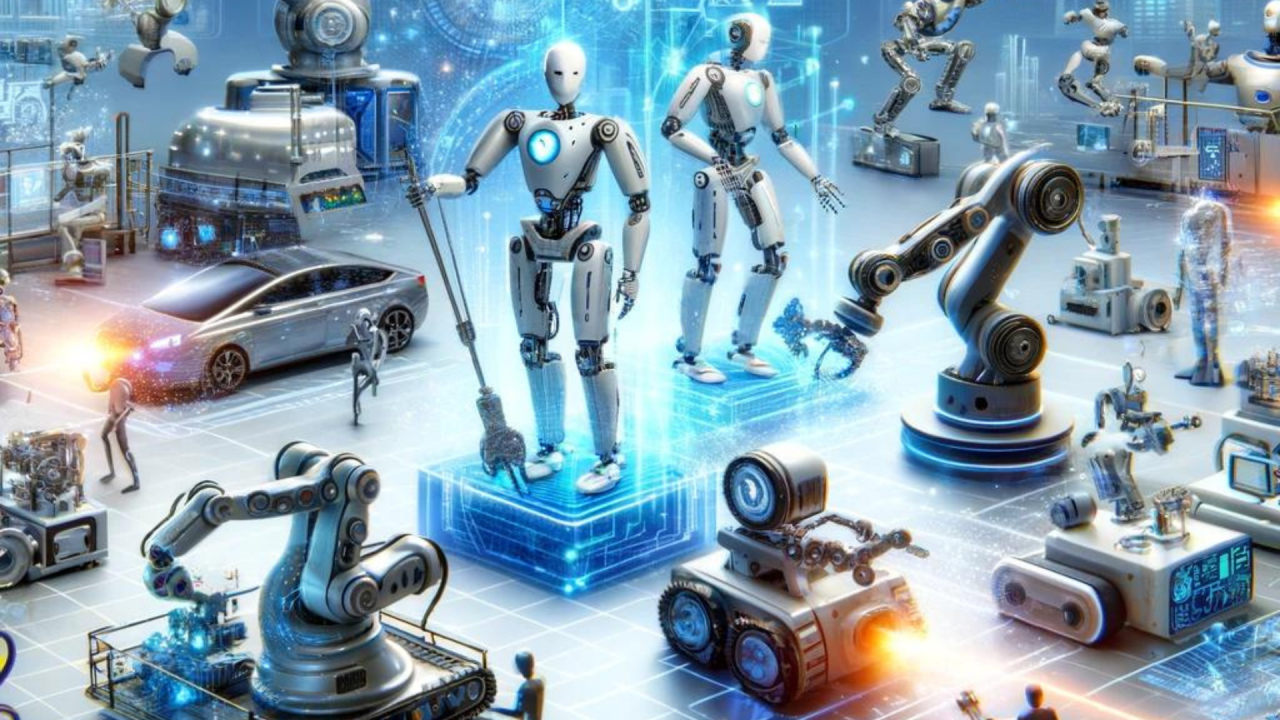
Artificial intelligence can contribute through image recognition, battery diagnostics, predictive models, and automated sorting. A recycling facility could use data from battery management systems and diagnostic equipment to determine whether a battery should be reused, refurbished, repurposed, or sent directly for material recovery.
Robotics can also support dismantling operations, particularly as battery pack designs become more integrated. Modern cell-to-pack and cell-to-chassis architectures can increase energy density by reducing intermediate components, but the IEA notes that these designs can also introduce additional complications for recycling.
Second-Life Batteries Add Another Economic Layer
Recycling is not always the first destination for a used EV battery. Some batteries may retain enough capacity for another application after they are no longer suitable for automotive use. Stationary energy storage is one potential second-life application, although economic and technical barriers remain.
Testing, transportation, repackaging, safety certification, warranty responsibilities, and declining prices for new batteries can all affect the business case for second-life systems. The IEA notes that falling prices for new batteries can reduce the attractiveness of repurposing, while uncertainty around remaining battery life and liability can make second-life applications complicated.
This creates a hierarchy in which battery value can potentially be extended through repair, refurbishment, reuse, repurposing, and finally material recycling. Newsgiga can frame this development as part of a broader transition from a linear battery economy toward a circular one, where the objective is to extract maximum useful value from each battery before its materials are recovered.
Regulation Is Accelerating Battery Circularity
Government policy is becoming another major driver. The European Union’s Batteries Regulation establishes recycling efficiency and material-recovery targets, while the European Commission’s September 2026 assessment concluded that the existing targets remain appropriate as the industry develops. The current framework includes a 50% lithium recovery target by the end of 2027 and an 80% target by the end of 2031, alongside higher recovery requirements for cobalt, copper, lead, and nickel.
The EU framework also addresses recycled content and documentation for certain batteries. These measures are designed to keep valuable materials within the economy and encourage a market for secondary raw materials rather than treating used batteries solely as waste. The European Commission has described battery recycling as an important part of building a circular and competitive economy while strengthening access to critical materials.
India is also developing its battery circularity ecosystem. Under the Battery Waste Management Rules, producers have extended producer-responsibility obligations covering collection, recycling or refurbishment, with recovery targets increasing over time. The framework also establishes requirements for incorporating domestically recycled materials into batteries.
The Global Battery Recycling Market Is Still Uneven
Although battery recycling capacity is expanding, the global industry is not evenly distributed. China currently has an exceptionally strong position in battery recycling infrastructure, reflecting its enormous battery manufacturing and EV markets. The IEA estimates that China hosts more than 85% of global battery recycling capacity, while its 2026 critical-minerals analysis says China accounts for more than three-quarters of global pretreatment capacity and around 90% of material recovery capacity.
This concentration has economic consequences. Countries seeking more resilient domestic battery supply chains have an incentive to develop their own recycling capabilities rather than depending entirely on overseas processing. Recycling can therefore become part of industrial policy as well as environmental policy.
The challenge is that recycling capacity can temporarily outpace the supply of end-of-life batteries. Manufacturing scrap currently provides important feedstock, but the large wave of EV batteries sold during the recent growth period will take years to reach retirement. Companies therefore need to balance investments in processing facilities with realistic expectations about future material availability.
What the Next Electric Economy Could Look Like
The future battery industry is likely to become increasingly interconnected. Battery manufacturers, automobile companies, recyclers, mining companies, energy-storage providers, technology developers, and governments will all have roles in creating a circular supply chain. Instead of viewing recycling as the final stage of a battery’s life, companies can design batteries and production systems with recovery in mind from the beginning.
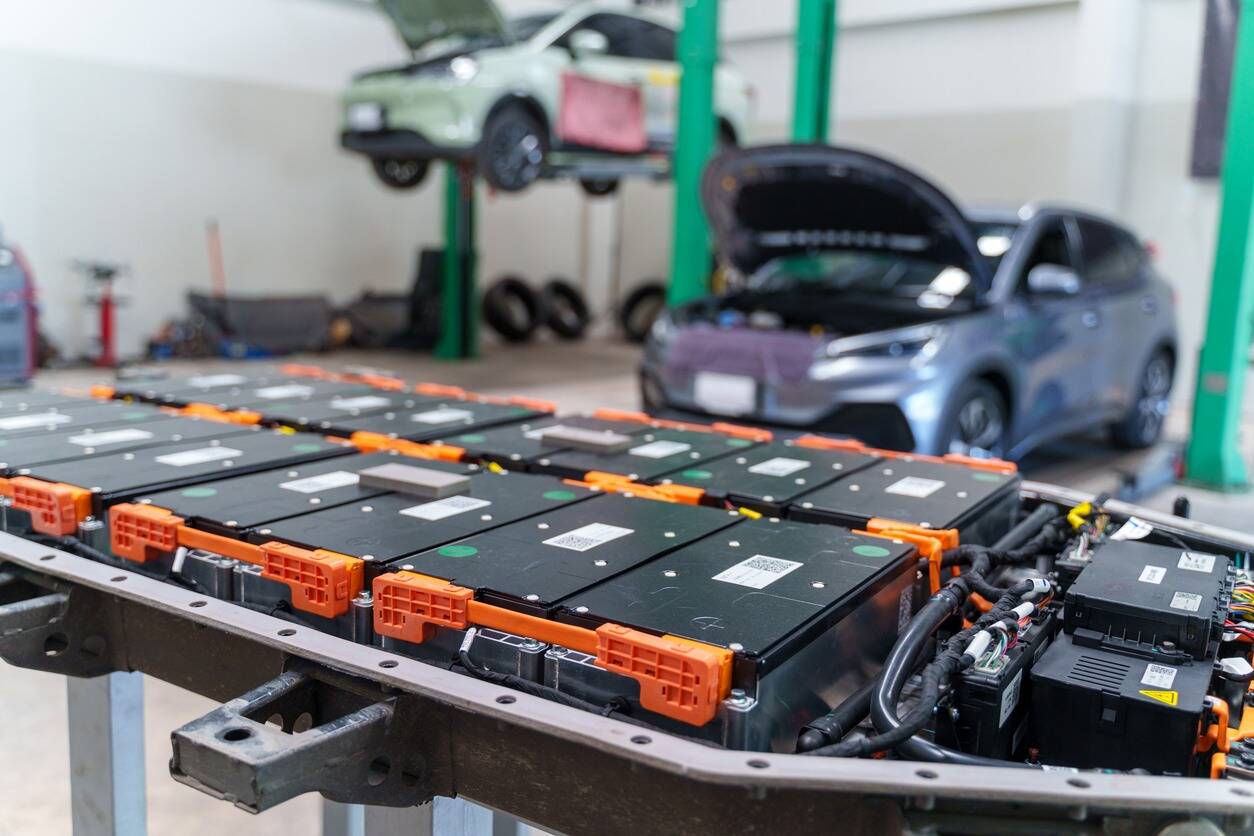
Several developments are particularly important:
- Better automated battery collection, identification, and dismantling systems.
- Higher recovery rates for lithium, nickel, cobalt, copper, graphite, and other materials.
- More chemistry-specific recycling processes for LFP and emerging battery technologies.
- Greater integration of recycling data into battery manufacturing and supply-chain management.
The market will also need new business models. The IEA points to toll-based recycling models as one possibility, where the recycler receives payment for providing recycling services while the customer retains ownership of recovered materials. Such models can reduce the dependence of recyclers on volatile commodity prices and may become more important for lower-value battery chemistries.
Why Battery Recycling Matters Beyond Electric Vehicles
Battery recycling is often discussed in relation to EVs, but its influence extends further. Batteries are increasingly important in stationary energy storage, consumer electronics, industrial equipment, electric two-wheelers, commercial vehicles, and other applications. As battery deployment expands across these markets, recycling infrastructure can support a much broader energy ecosystem.
The economic opportunity is therefore not limited to recovering metals. It includes engineering, software, logistics, testing, automation, chemical processing, equipment manufacturing, compliance services, and research. New companies can emerge around specialized stages of the recycling chain, while established manufacturers can integrate recovery into their existing operations.
The IEA’s 2026 research indicates that around 1.2 million EV batteries could reach end of life in 2030 and approximately 14 million by 2040. These figures illustrate why today’s investments in battery circularity could become increasingly important as the EV fleet matures.
Conclusion
Battery recycling technology is moving from a supporting environmental function toward a strategic component of the electric economy. Rapid EV adoption is increasing demand for battery materials, while advances in mechanical processing, hydrometallurgy, direct recycling, automation, diagnostics, and material recovery are creating new ways to capture value from used batteries. The result could be a more circular supply chain in which materials repeatedly move between manufacturing, vehicles, storage systems, and recycling facilities. At the same time, the transition will not happen automatically. Battery chemistry is changing, recycling capacity remains geographically concentrated, end-of-life battery volumes are still relatively limited compared with future expectations, and the economics of recovering different materials can vary considerably. Strong collection systems, appropriate regulation, technological innovation, and viable business models will all be necessary.

.jpg&description=Discover how battery recycling technology is reshaping the electric economy through material recovery, advanced processing, circular supply chains, and cleaner EV growth.)