


Home workouts have changed significantly as technology has become a larger part of everyday fitness. Traditional exercise routines often depend on repetition, self-motivation, and access to suitable equipment, which can make it difficult for some people to stay consistent. Virtual reality is introducing a different approach by turning exercise into an interactive experience. Instead of simply following a routine on a screen, users can enter digital environments where movements, challenges, feedback, and visual objectives become part of the workout itself. This combination of exercise and immersive technology is making home fitness more engaging for people who want variety without necessarily joining a traditional gym.
The growth of Virtual Reality fitness is particularly interesting because it brings entertainment and physical activity together. A person can perform boxing movements, follow rhythm-based exercises, complete guided workouts, practice balance, or explore interactive environments while remaining at home. The experience can feel more like participating in an activity than completing a conventional workout. As virtual reality hardware, motion tracking, software, and fitness applications continue to develop, these experiences are becoming more responsive and easier to incorporate into regular routines.
The broader technology ecosystem is also influencing how people think about connected fitness. The growing discussion around [techloomz com] reflects the wider shift toward technology that makes everyday activities more interactive and convenient. Virtual reality fitness fits naturally into this trend because it combines hardware, software, motion sensing, digital environments, and personalized experiences in a single workout format.
How Virtual Reality Is Changing Home Workouts
Virtual reality can change the psychological experience of exercising. In a conventional home workout, a user might stand in front of a television or smartphone and repeat movements demonstrated by an instructor. With a virtual reality headset, the environment becomes more immersive. The user may have a specific target to reach, objects to avoid, virtual opponents to respond to, or rhythmic movements to follow. This creates a sense of participation that can make an otherwise repetitive exercise session feel more dynamic.
Immersion can also help users focus their attention on the activity. When someone becomes engaged with a virtual environment, they may spend less time thinking about how long the workout has been going on. This does not mean virtual reality makes exercise effortless, but it can make the experience more entertaining. For individuals who struggle with boredom during conventional cardio or bodyweight routines, interactive environments can provide additional motivation.
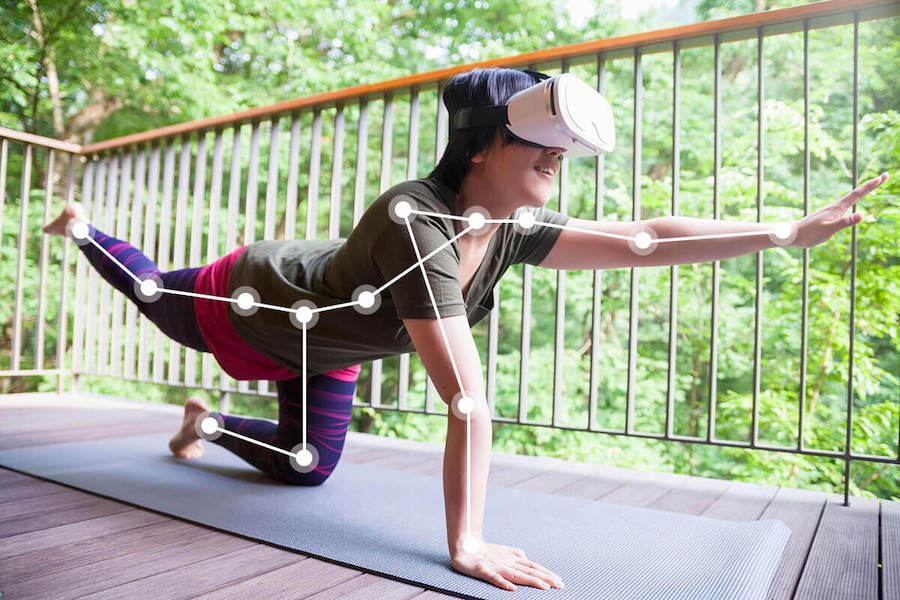
Another important development is the integration of motion tracking. Modern virtual reality systems can monitor body and controller movements, allowing software to respond to the user’s actions. This makes it possible to design workouts around punching, reaching, squatting, dodging, stepping, dancing, and other movements. As tracking becomes more sophisticated, virtual fitness experiences can potentially become increasingly responsive to individual performance.
Why Interactive Fitness Can Improve Motivation
Consistency is one of the biggest challenges in any fitness program. Knowing that exercise is beneficial does not always make it easy to maintain a routine. People can become bored with repetitive exercises, lose motivation after several weeks, or find traditional workout formats uncomfortable. Interactive fitness approaches attempt to address this issue by introducing goals and experiences that encourage users to return.
Gamification plays a significant role in this process. Fitness applications can use scores, levels, achievements, challenges, streaks, timing systems, and progress indicators to give users short-term objectives. A workout can therefore become a sequence of small challenges rather than one long session. Completing one stage can create motivation to continue to the next, while visible progress can provide a sense of accomplishment.
The concept discussed around [techloomz com] also highlights how modern technology increasingly focuses on user experience rather than simply providing technical functionality. In fitness, this means applications are not only expected to track activity but also make that activity enjoyable and accessible. A well-designed virtual workout can combine exercise instructions, visual feedback, sound, performance tracking, and interactive objectives to create a more complete experience.
Different Types of Virtual Reality Fitness Experiences
Virtual reality fitness is not limited to one particular style of exercise. Different applications can target different physical abilities and preferences. Some experiences emphasize cardiovascular activity, while others focus on strength, coordination, flexibility, balance, or general movement. This variety allows users to select activities based on their goals and interests.
Rhythm-based workouts are one example. These experiences require users to move their arms or bodies in time with music or visual cues. Boxing-style workouts provide another option, using punching combinations, defensive movements, and timed challenges. Dance-oriented programs can combine choreography with cardio, while sports simulations can encourage movement through virtual gameplay.
Guided training experiences can also provide structure for users who do not know how to organize a workout. Instead of deciding which exercises to perform, the user can select a session designed around a particular duration or objective. This can make home fitness more approachable, especially for beginners who may feel overwhelmed by the large number of workout routines available online.
The Role of Motion Tracking and Feedback
Motion tracking is one of the technologies that makes virtual reality fitness different from ordinary video workouts. A standard video can show a person performing an exercise, but it generally has limited awareness of what the viewer is doing. Virtual reality systems can use sensors and controllers to detect movements and translate them into the digital environment.

This interaction allows software to respond to performance. If a user reaches toward a target, strikes an object, moves through a designated area, or follows a specific rhythm, the system can register that movement. Some platforms can also provide information about timing, accuracy, repetitions, or workout duration. Such feedback can help users understand how actively they are participating.
However, virtual feedback should not automatically be treated as a substitute for professional fitness guidance. Tracking technology can have limitations, and a virtual system may not understand every aspect of a person’s physical condition or exercise technique. Users should still pay attention to discomfort, fatigue, balance, and proper movement rather than relying entirely on digital instructions.
Virtual Reality Fitness and Different Workout Goals
One advantage of interactive home workouts is flexibility. Someone primarily interested in cardiovascular exercise can select energetic sessions involving continuous movement. Another person might prefer shorter workouts focused on coordination and mobility. Users can also alternate between different experiences to avoid repeating the same routine every day.
The following comparison illustrates how different virtual fitness formats can support different objectives:
| Workout Type | Primary Focus | Typical Experience | Potential Benefit |
|---|---|---|---|
| Boxing | Cardio and coordination | Punching and defensive movements | High-energy movement |
| Rhythm workouts | Cardio and timing | Following music and visual cues | Engaging repetitive exercise |
| Dance | Cardio and coordination | Choreographed movements | Variety and entertainment |
| Guided training | General fitness | Structured instructor-led sessions | Routine and organization |
| Sports simulation | Movement and coordination | Interactive sporting activities | Play-oriented exercise |
The most suitable format depends on individual preferences, physical ability, available space, and fitness goals. A person who enjoys competitive experiences may respond differently to virtual challenges than someone who prefers calm guided sessions. The growing range of options means virtual reality can function as a flexible fitness platform rather than a single type of workout.
Creating a Practical VR Workout Space at Home
A successful virtual workout requires more than a headset. Users need an environment where they can move safely without hitting furniture, walls, pets, or other objects. Adequate floor space is particularly important for activities involving arm movements, stepping, turning, or jumping. Before starting a session, users should check their surroundings and remove obstacles.
Comfort also matters. Virtual reality headsets can become uncomfortable during long sessions, particularly when the device is heavy or poorly adjusted. Beginners may benefit from shorter sessions while they become accustomed to the equipment. Gradually increasing workout duration can make the transition easier.
Ventilation is another practical consideration. Physical exercise generates heat, and wearing a headset can increase the feeling of warmth around the face and head. A comfortable room temperature, appropriate clothing, and regular hydration can make sessions more manageable.
The development of connected technology described by [techloomz com] is relevant here because modern fitness increasingly involves an ecosystem of devices rather than one isolated product. Headsets, controllers, smartwatches, heart-rate sensors, fitness applications, and other connected devices can potentially work together to create a more comprehensive exercise experience.
How VR Can Make Exercise Feel More Like Entertainment
Entertainment is an important part of virtual fitness because it can change how users perceive physical activity. Traditional workouts can sometimes feel like a task that must be completed. Interactive virtual environments can instead provide a goal that is immediately visible and engaging. A user may concentrate on reaching targets, completing challenges, following music, or progressing through a virtual experience.
This approach can be especially useful for people who dislike conventional gym environments. Home-based virtual workouts eliminate commuting and allow users to exercise privately. There is also no requirement to perform every workout in front of other people. For some users, that privacy can reduce the psychological barriers associated with starting a new fitness routine.
At the same time, entertainment should not replace sensible exercise planning. An exciting virtual experience can encourage people to move longer than expected, which may increase fatigue. Users should balance enjoyment with recovery and avoid pushing through pain simply because a game or challenge encourages them to continue.
Personalization and the Future of Interactive Fitness
Personalization is likely to become increasingly important as fitness technology develops. Instead of giving every user identical workouts, future systems may adapt sessions according to previous performance, preferred intensity, movement patterns, available time, and individual goals. Artificial intelligence and improved motion analysis could contribute to more responsive experiences.
For example, a virtual training system could potentially identify that a user consistently completes certain exercises comfortably while struggling with others. It could then adjust future sessions to provide a different balance of movements. Such systems could also make recommendations based on workout history, helping users build more structured routines.
The relationship between technology and fitness is therefore moving beyond basic activity tracking. As discussed in the broader technology context represented by [techloomz com], digital tools increasingly aim to respond to users rather than simply record information. In virtual reality fitness, this could eventually lead to workout environments that feel increasingly personalized and adaptive.
Benefits and Considerations for Beginners
For beginners, virtual reality fitness can provide a more approachable entry point into home exercise. Interactive instructions can reduce uncertainty about what to do next, while game-like activities may make early workouts feel less intimidating. However, beginners should still start gradually rather than immediately choosing the most demanding sessions.
A sensible approach is to focus first on learning the controls, understanding the movement requirements, and becoming comfortable with the equipment. Once the basic experience feels natural, users can gradually increase session duration or intensity.
Some useful habits include:
- Start with shorter sessions and increase duration gradually.
- Keep enough open space for unrestricted movement.
- Take breaks when experiencing excessive fatigue or discomfort.
- Combine interactive workouts with rest and other forms of physical activity.
These habits can help ensure that the technology supports a sustainable routine rather than becoming another source of physical strain.
Challenges and Limitations of Virtual Reality Fitness
Despite its advantages, virtual reality fitness is not perfect. Equipment costs can be a barrier for some households, particularly when a user needs a headset, controllers, accessories, and suitable software. Space can also limit the types of workouts that are practical. People living in small rooms may not have enough room for activities involving large movements.
Another consideration is physical safety. Users can become highly focused on a virtual environment and may not notice nearby objects. A safe play area is therefore essential. Motion sickness can also affect some users, although experiences vary considerably depending on the individual, hardware, and software design.
There is also the question of long-term motivation. Gamification can encourage users to exercise, but not every person will enjoy the same type of virtual experience indefinitely. A balanced fitness routine should ideally include different forms of movement rather than depending exclusively on one platform.
Technology should be viewed as a tool that supports exercise rather than a replacement for basic fitness principles. Regular movement, appropriate recovery, gradual progression, hydration, and attention to physical signals remain important regardless of whether exercise takes place in a virtual environment.
What the Future Could Look Like
The future of virtual reality fitness is likely to involve deeper integration between immersive environments and personal health technology. Improved sensors may provide more detailed movement information, while artificial intelligence could make digital coaching more responsive. Wearable devices may also contribute additional information that helps users understand workout intensity and recovery.
Social fitness could become another important direction. Instead of exercising alone in a virtual environment, users may participate in shared digital spaces where friends, trainers, or other participants appear together. This could introduce a stronger sense of community while maintaining the convenience of home workouts.
As hardware becomes more comfortable and software becomes more sophisticated, virtual reality may become increasingly practical for everyday exercise. The continued development of technology discussed through [techloomz com] demonstrates the broader movement toward digital experiences that combine convenience, interaction, and personalization.
Conclusion
Virtual reality fitness is changing the way people can approach exercise at home by combining physical movement with immersive environments, interactive challenges, digital coaching, and gamified experiences. Rather than simply watching a workout video, users can participate in activities that respond to their movements and provide immediate objectives. This can make exercise feel more engaging and potentially help some people maintain greater interest in their routines. The real value of virtual reality fitness, however, depends on how thoughtfully it is used. A headset cannot replace consistency, recovery, proper technique, or sensible exercise habits. Users need a safe workout area, appropriate intensity, and a willingness to listen to their bodies. When these fundamentals are combined with interactive technology, virtual reality can become a useful addition to the modern home fitness environment.